Massachusetts, July 2026
After three posts walking you through California back in April, let’s jump forward to the present. Last week I was in Boston for company meetings – and yes, I’m on the road that much. I’m not complaining. A nomad who gets to keep landing in beautiful corners of the world and grumbles about it has misunderstood his own good fortune.
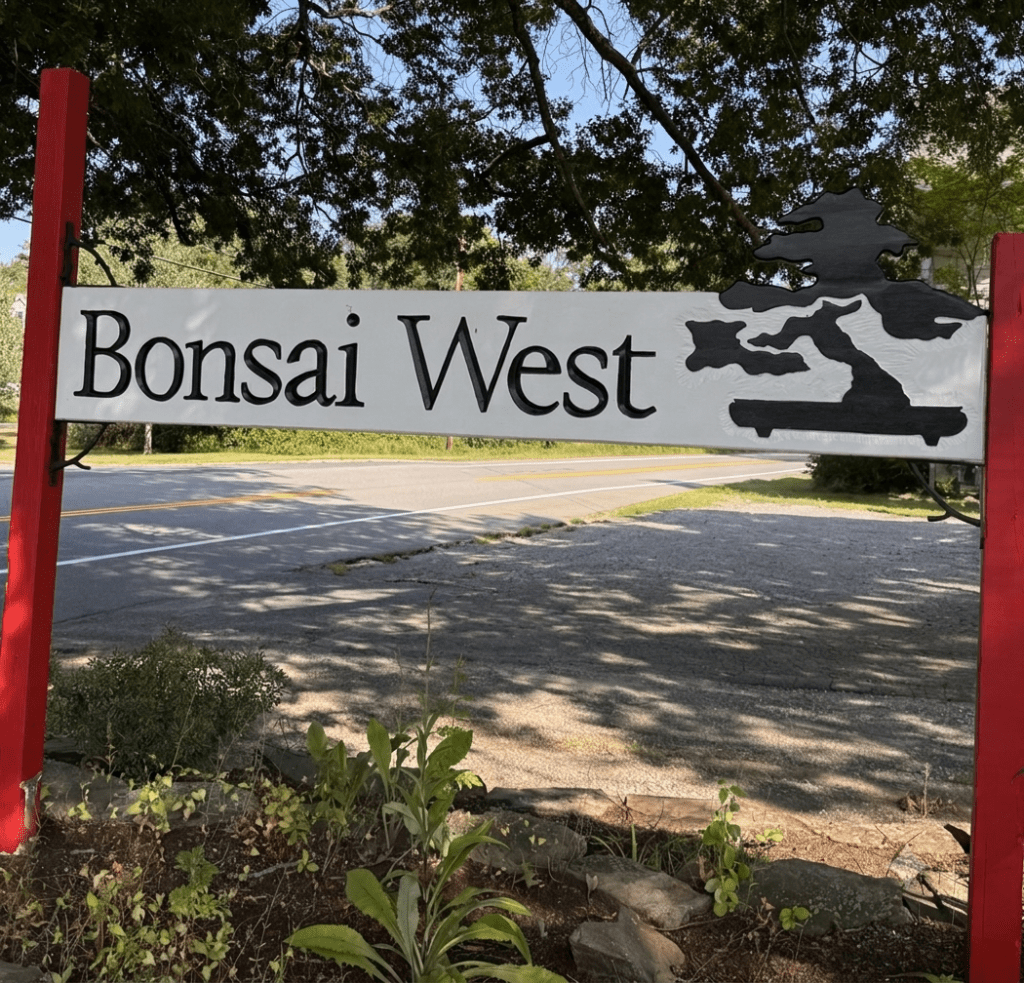
As always, I tried to carve out a window for the local bonsai scene. This time the window was narrow: a couple of hours on my last day, nothing more. So I picked one place and drove out to it – Bonsai West, in Littleton, about forty minutes northwest of Boston.
The place
Bonsai West is one of those American bonsai institutions that has been quietly building for longer than most of us have been paying attention. Michael Levin founded it in 1982 – he started out growing junipers and pines in a small greenhouse behind his house in Brookline and selling them out of the back of a VW, sometimes just setting up on the sidewalk in Harvard Square. This was the moment when Americans were first getting curious about bonsai, and he was standing right at the front of it.
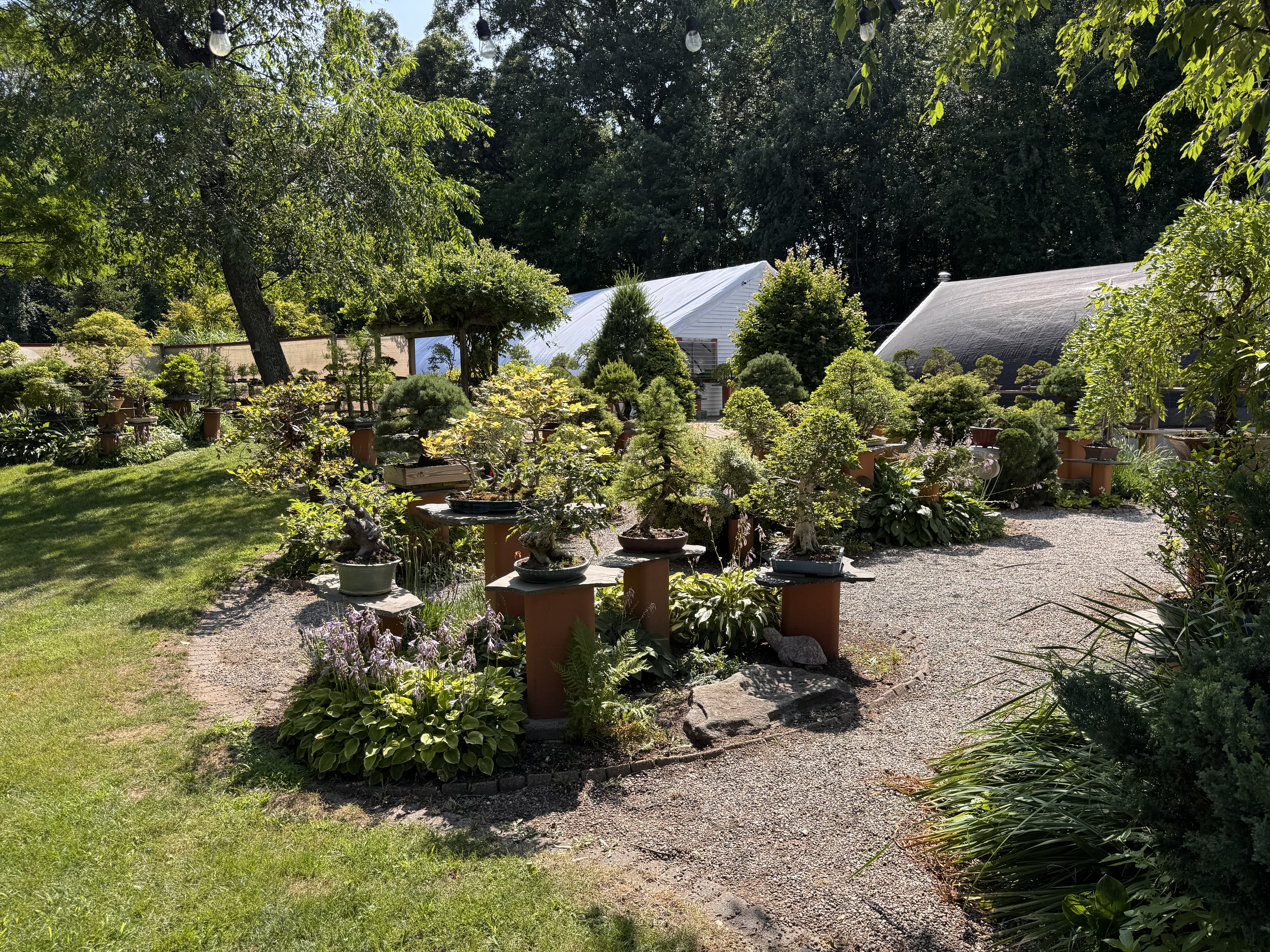
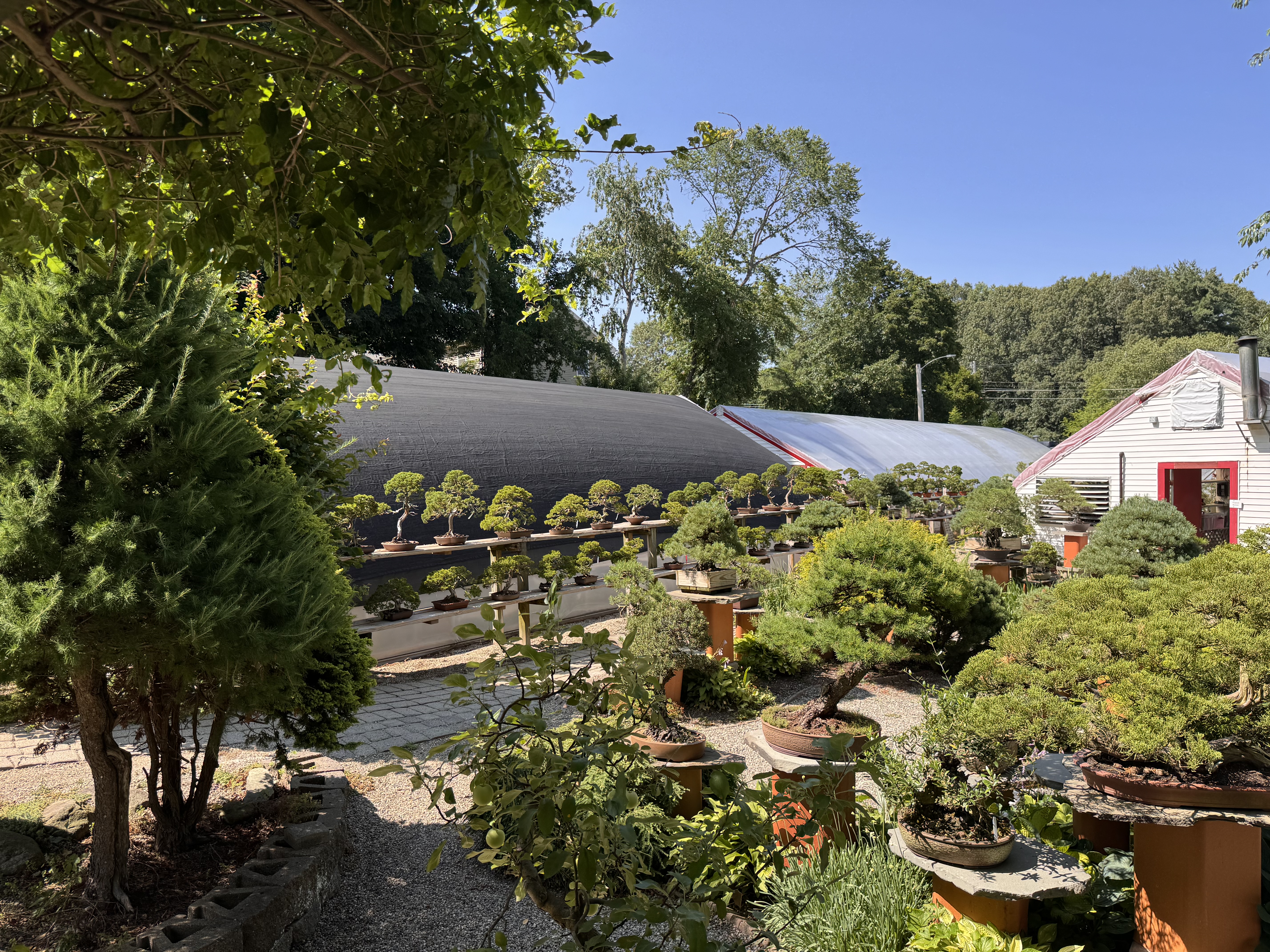
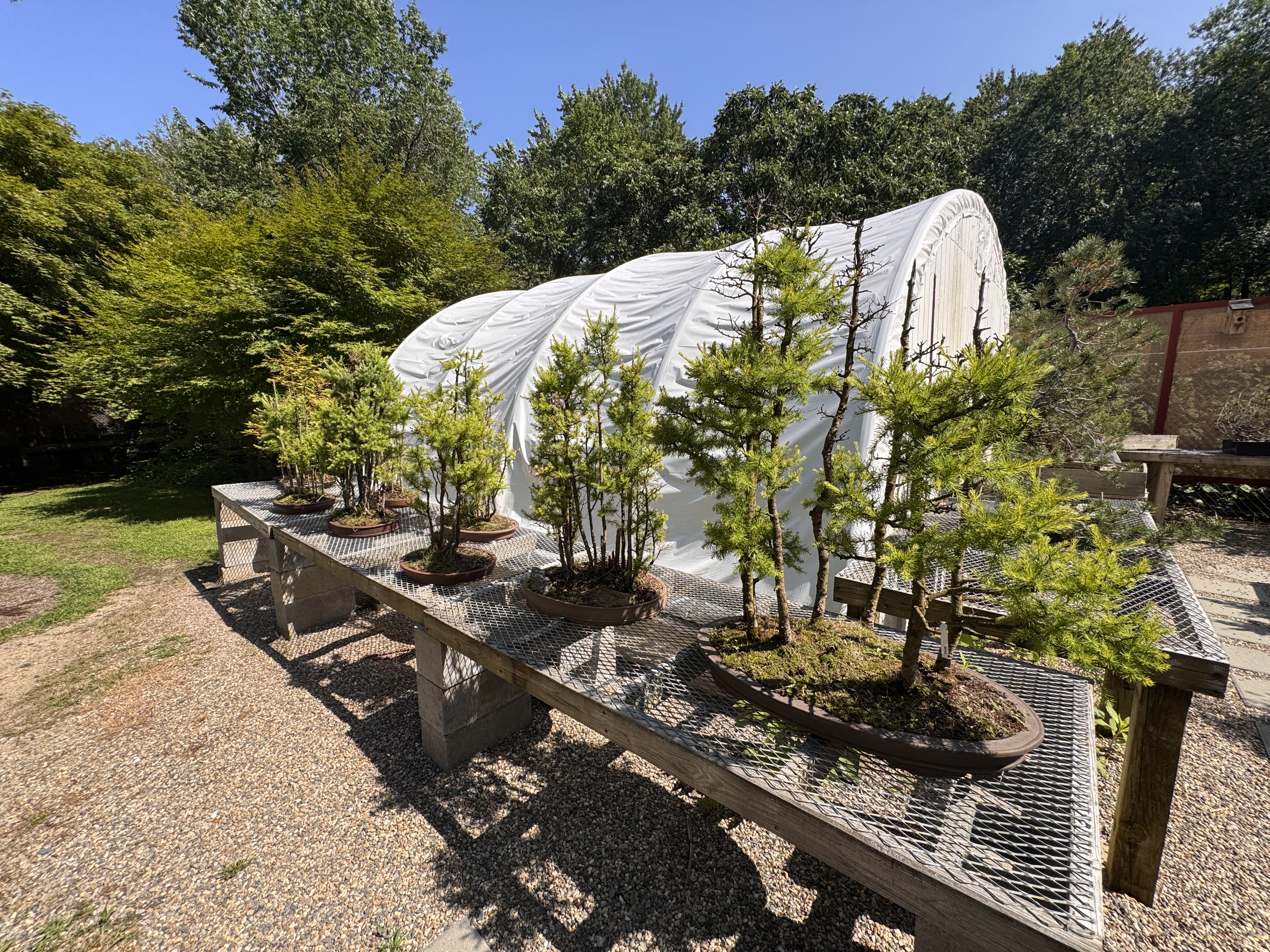
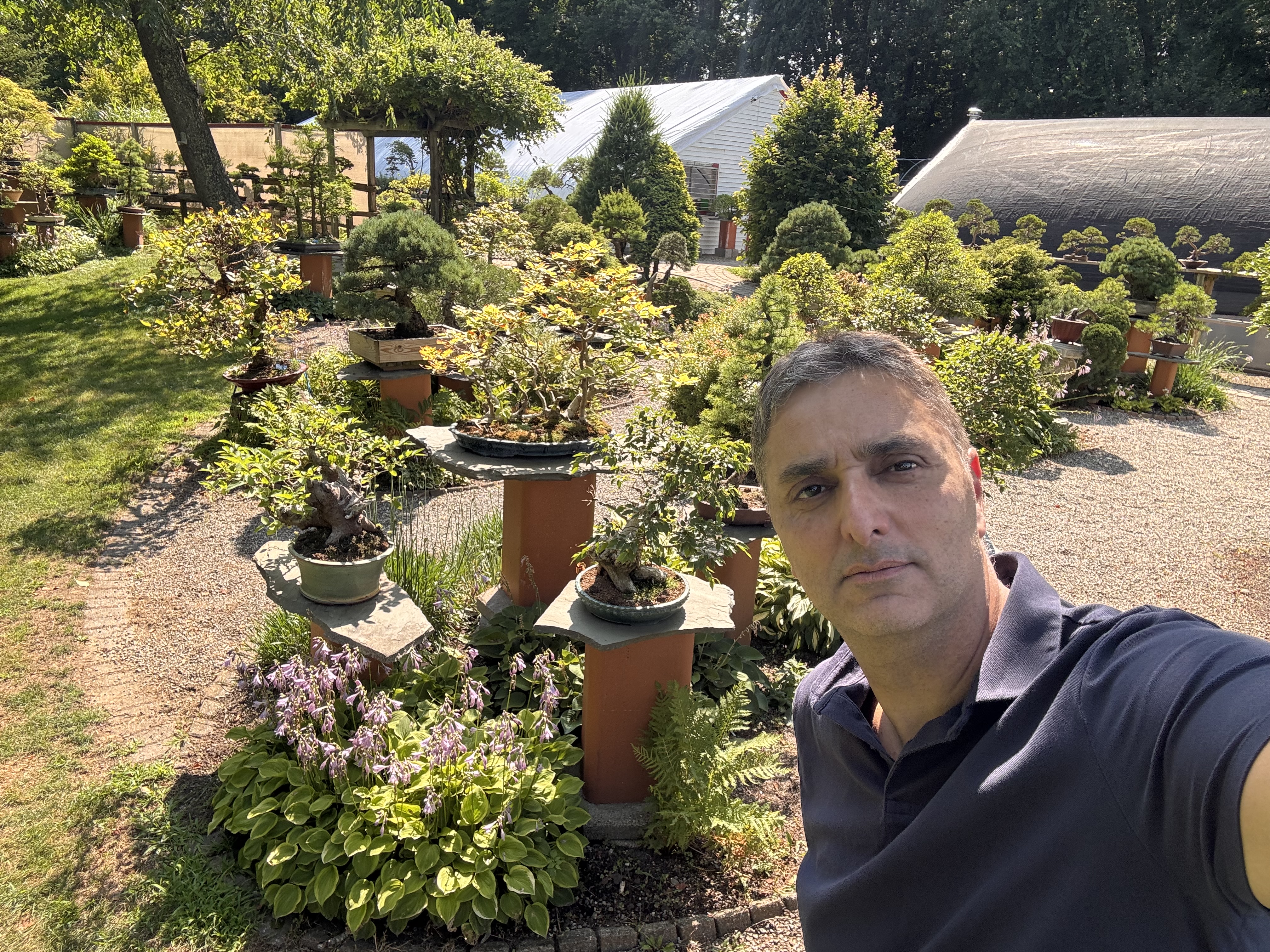
From Brookline to Somerville and finally to Littleton, the operation grew into what it is now: two acres of old New England farmland with a 250-year-old farmhouse looking over the outdoor garden, five greenhouses, a pottery house, teaching and demonstration space, and a collection the nursery describes as one of the largest groups of historically important specimen bonsai outside Japan.
That last line isn’t just marketing. Part of what makes the collection what it is came from Levin’s trips to California in the 1980s, where he bought from the first generation of Japanese-American growers – men who were already old-timers at the time. There are trees on that property he has now had for thirty-five years, which means some of them have been in his care longer than they were in anyone else’s. He has said, more or less, that back then he couldn’t understand how an old grower could bring himself to sell a tree he’d raised for thirty years. Now that thirty years have passed for him too, he understands.
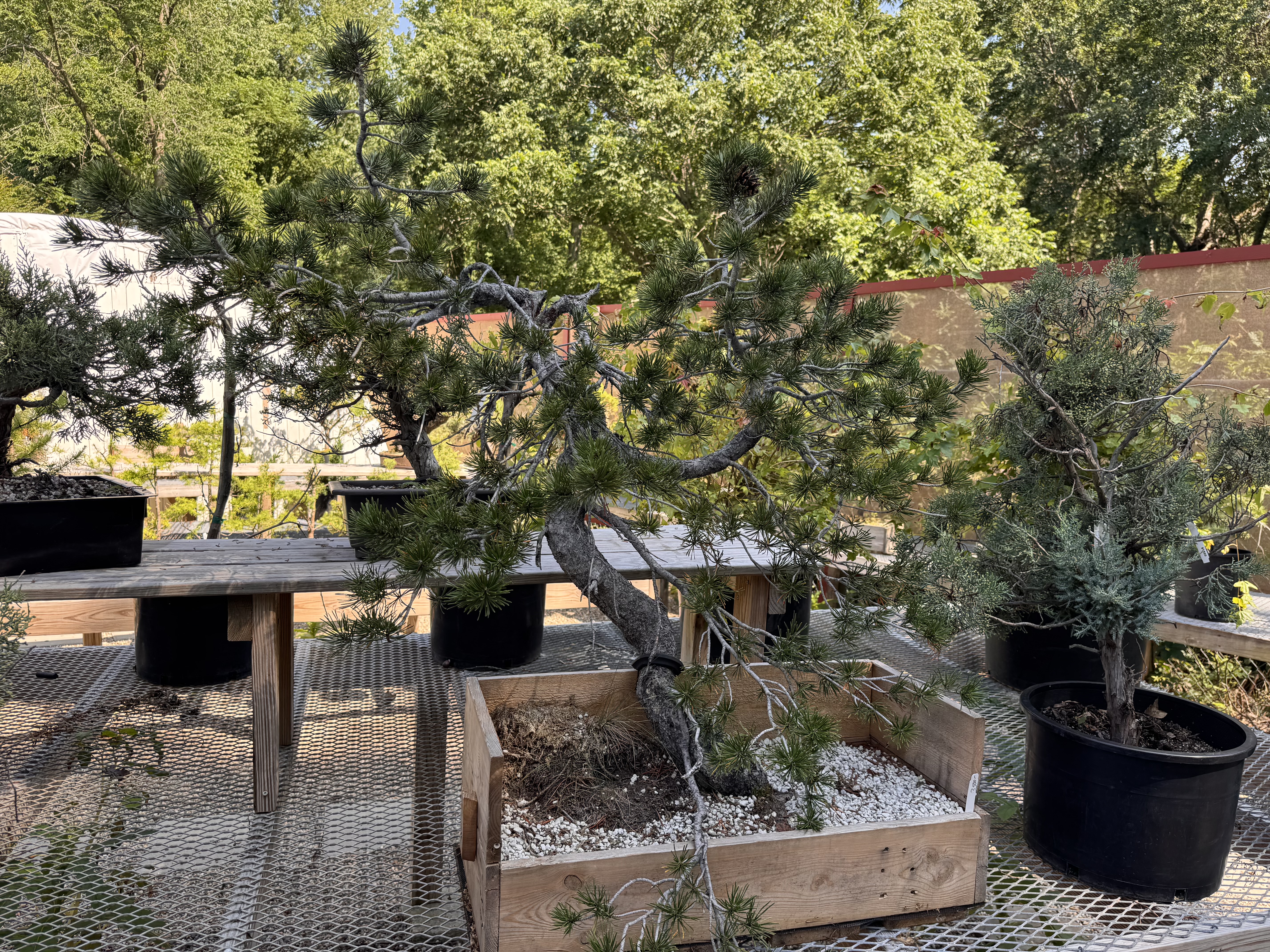
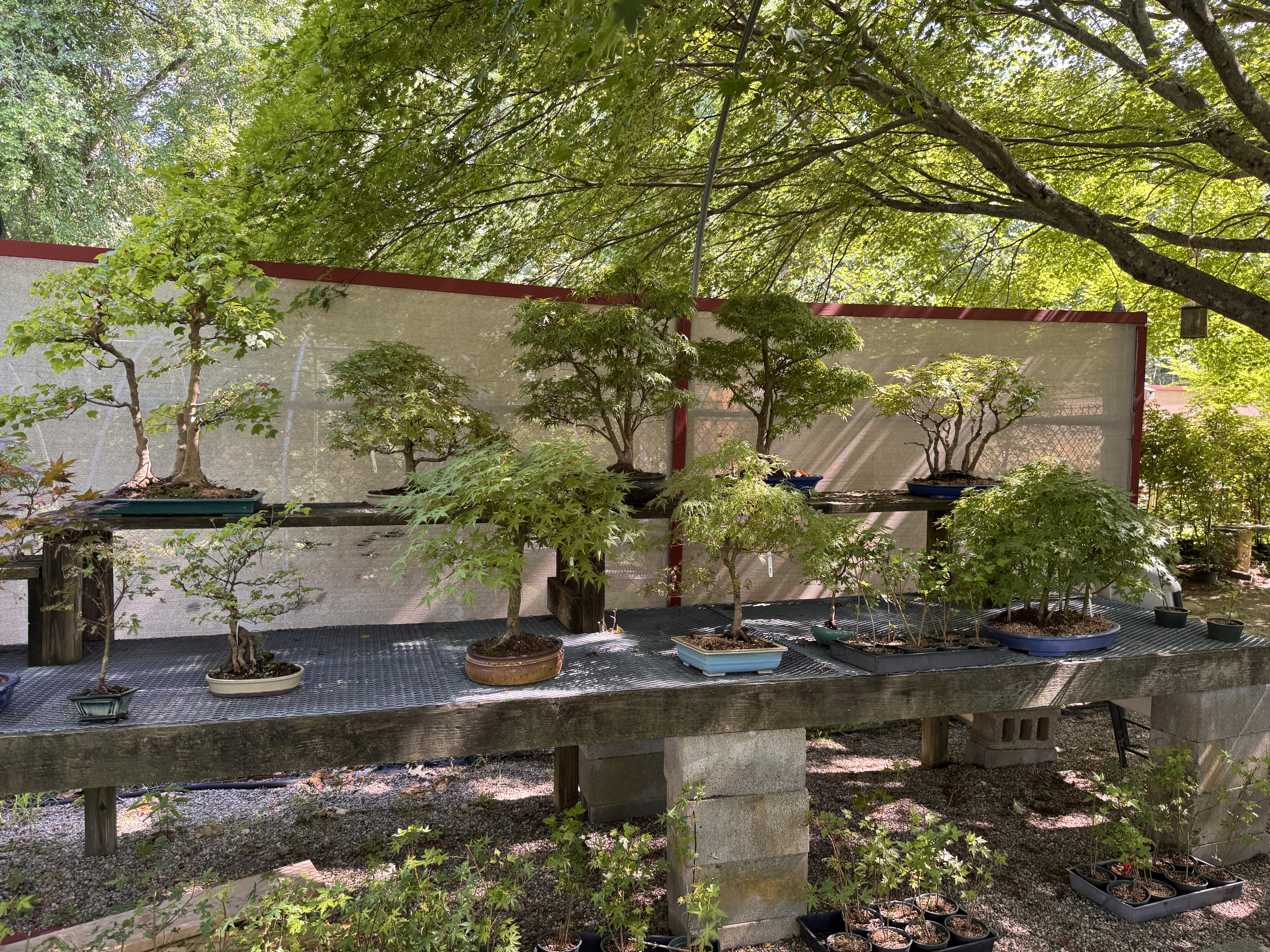
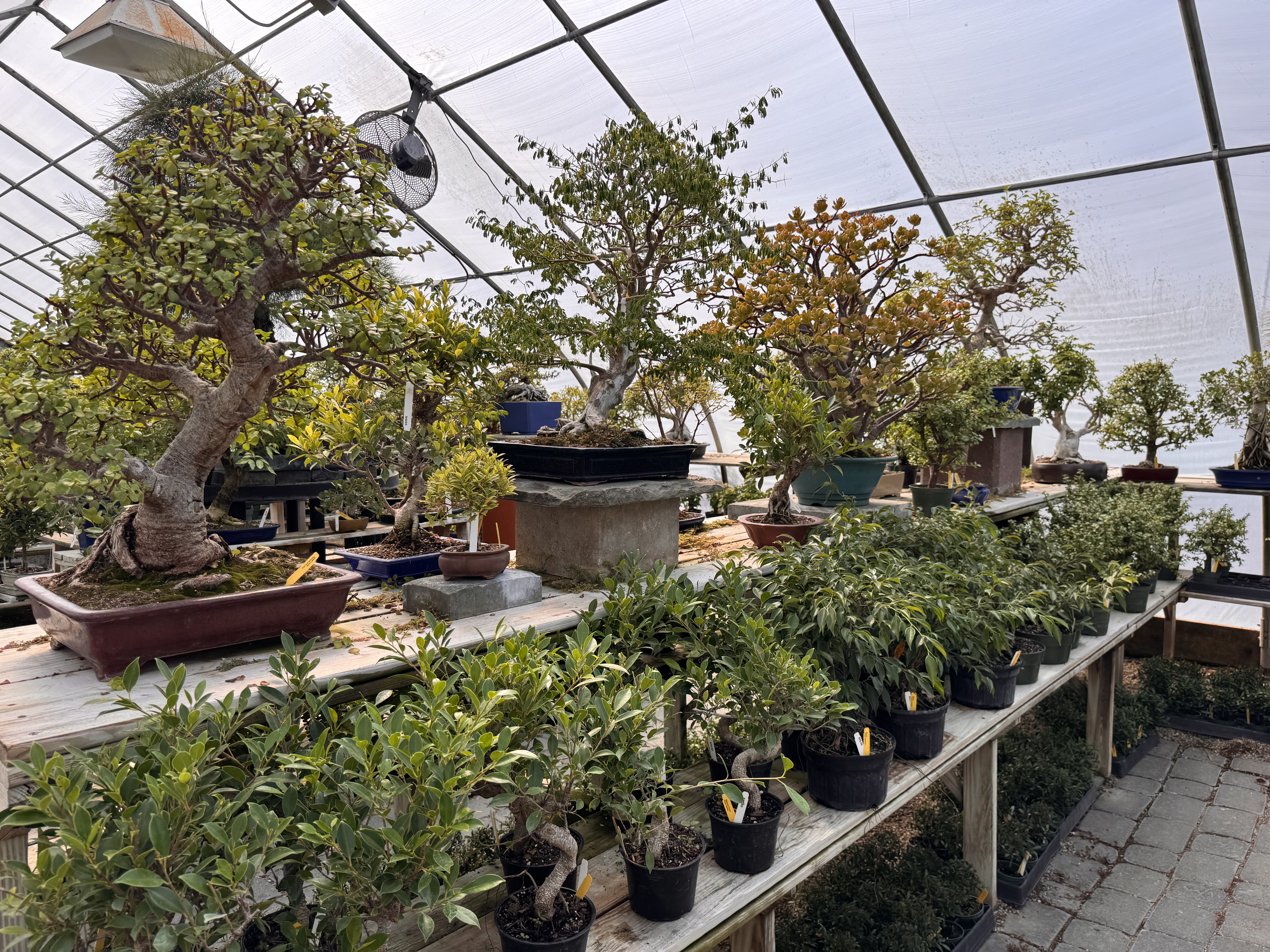
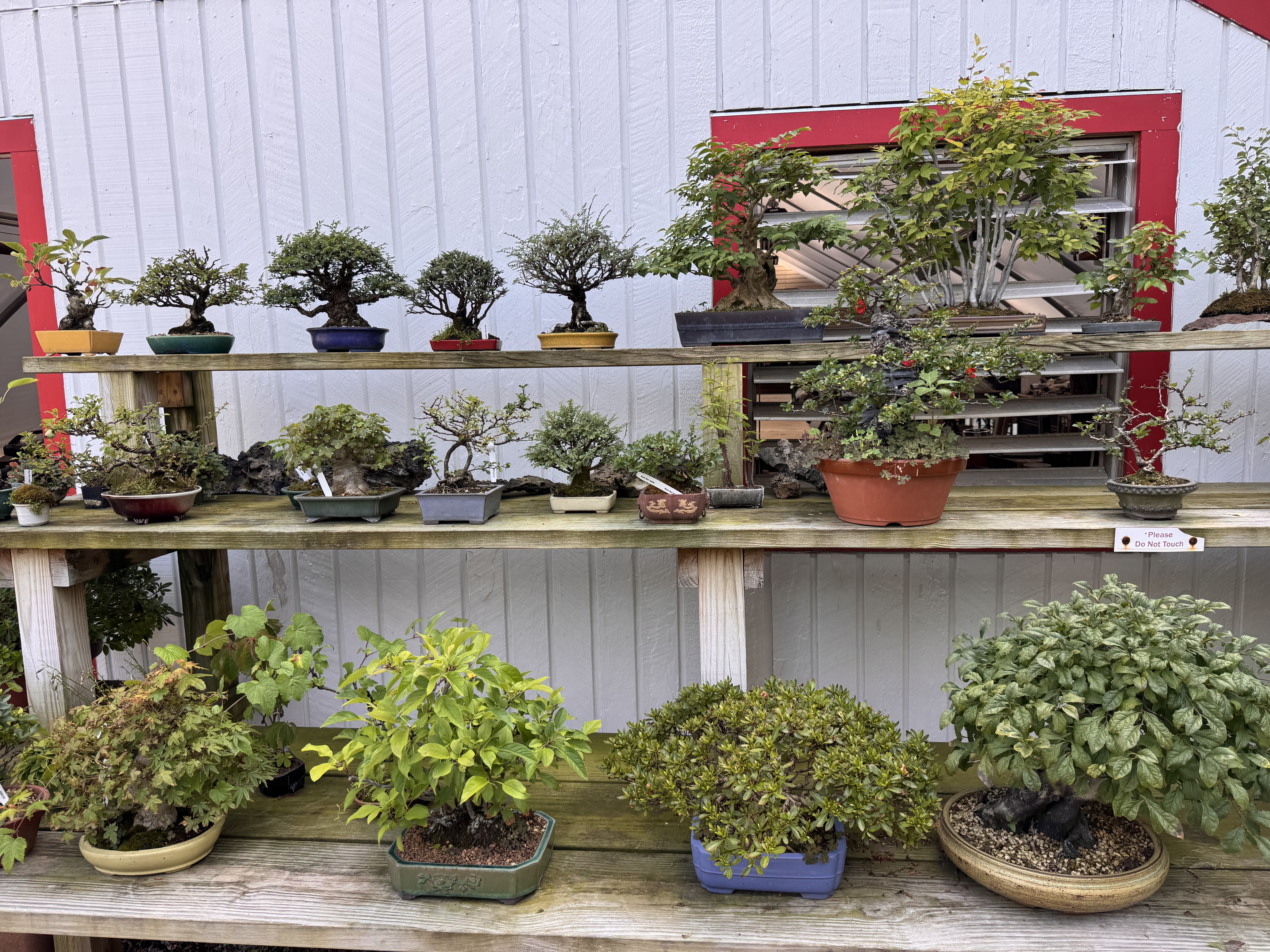
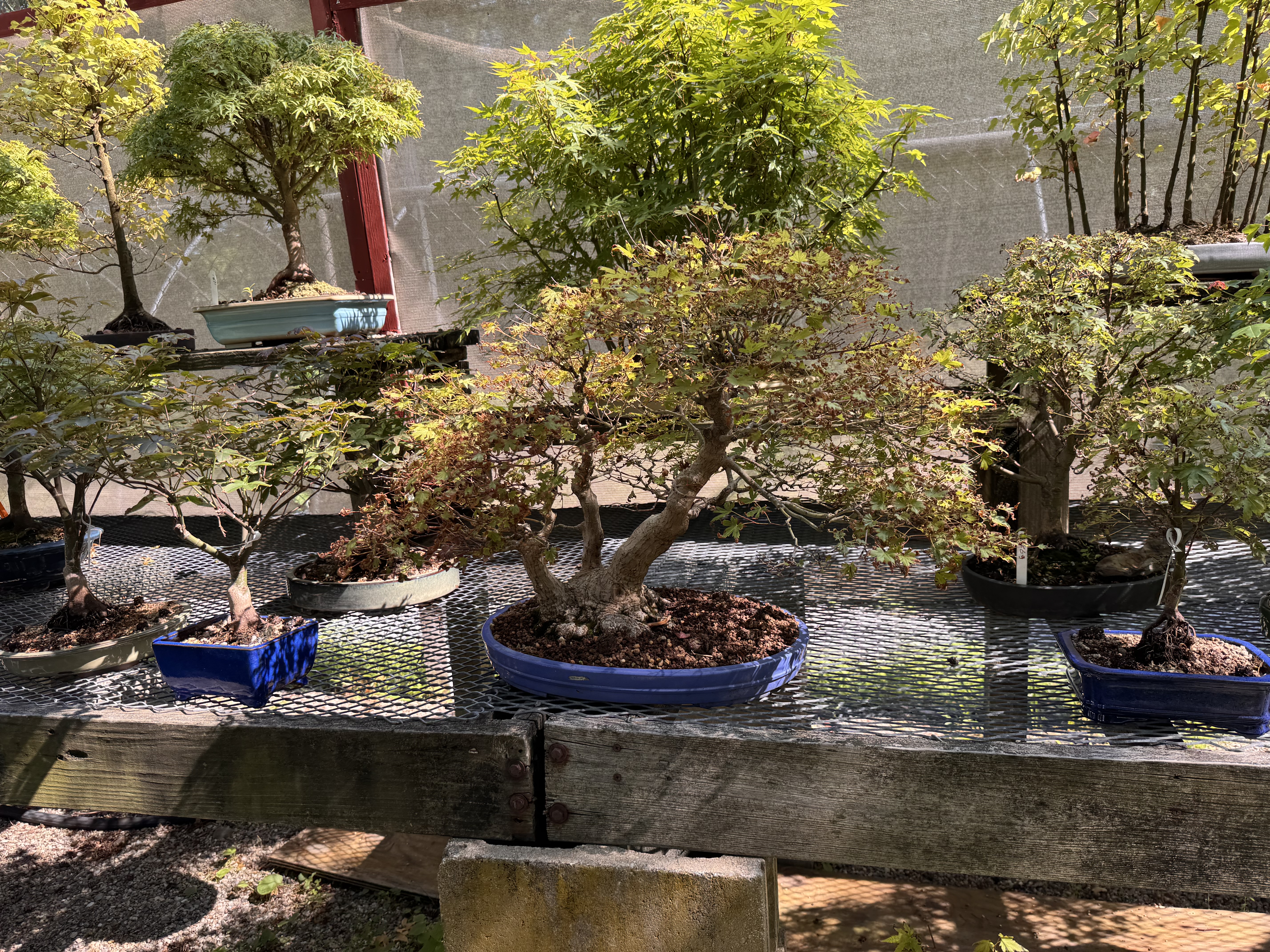
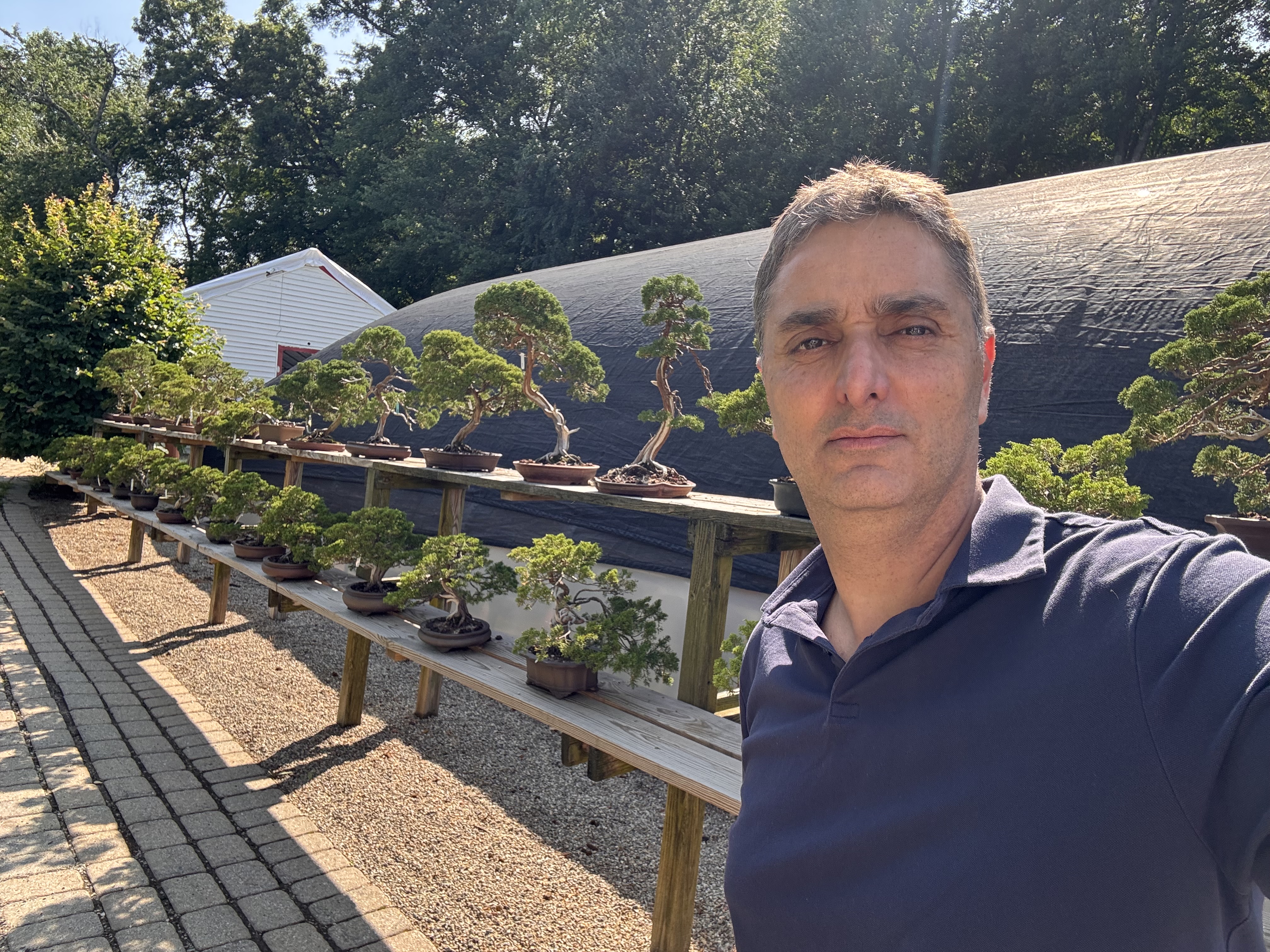
Practically speaking: the garden and greenhouses hold a mix — a static collection that belongs to the nursery, and trees that are for sale, ranging from century-old specimens down to raw pre-bonsai stock. Full inventory of pots, tools, soils, books. A school with classes from a three-hour introduction all the way up to advanced work.
The visit
Here’s the honest version, because I’d rather write an honest short post than a padded long one: this was a quiet visit. Michael wasn’t there. Nobody gave me a tour, I didn’t get the stories behind the trees, and I didn’t come away with a notebook full of technique.
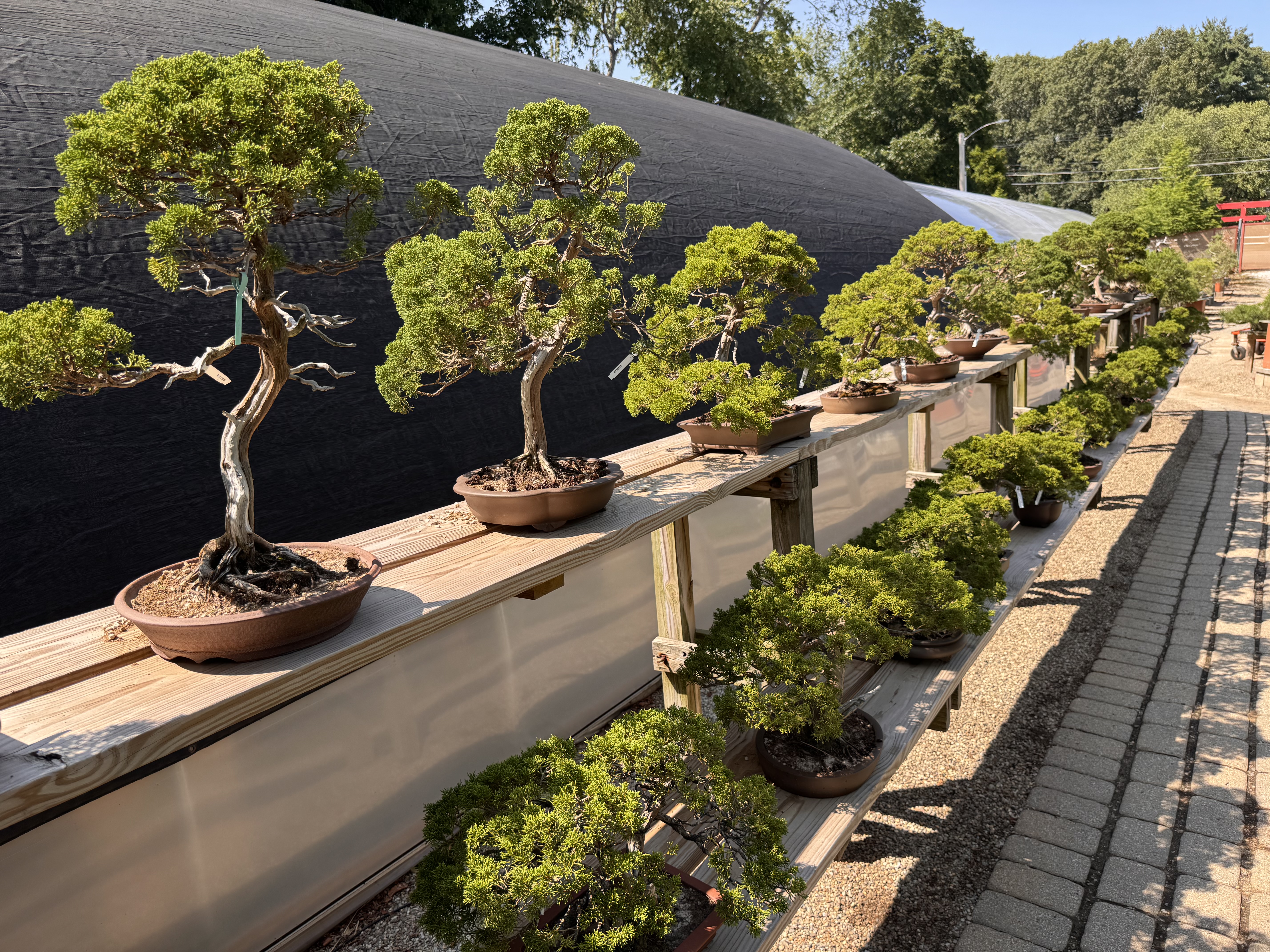
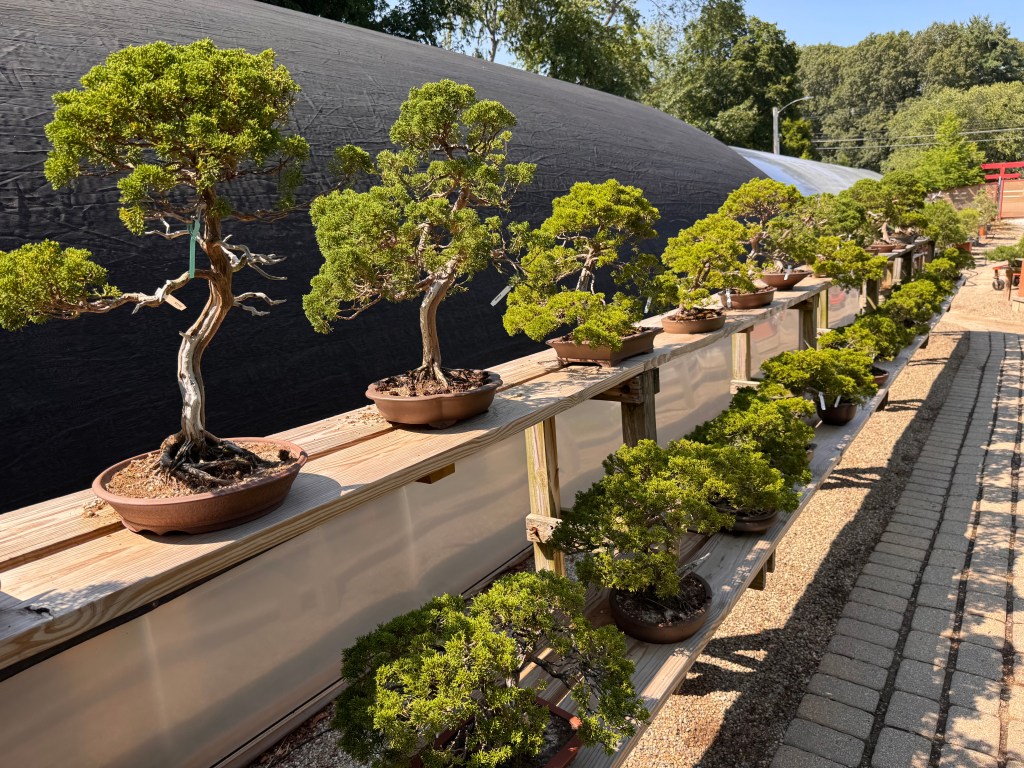
What I did was walk. Slowly, twice around, the way you do when you know the clock is running. The garden is genuinely beautiful – laid out in a Japanese style, trees given room to be looked at rather than crammed onto benches to move product. Good material. Good pots. The kind of place where the standard of the pre-bonsai stock tells you as much about the operation as the specimen trees do.
And that was it. Sometimes a visit is a full chapter and sometimes it’s a paragraph. This one was a paragraph, and I still left with my eyes recalibrated, which is most of what I go for anyway.
Grateful, and coming back
I keep being handed these opportunities, and I don’t take them for granted. Not every stop is a revelation – this one wasn’t, and I’m fine saying so. But every place teaches something, even if it’s only a way of laying out a garden, or the sight of one tree that shows you what patience actually looks like when it’s been applied for thirty-five years.
The good news: I’m heading back to that part of the world in about a month, this time for a personal vacation with proper time on the clock. No meeting to run to, no two-hour window. I intend to go back and see the region properly – Bonsai gardens, and whatever else New England has been hiding from me.
More soon.
— BonsaiNomad

Leave a comment