Bonsai Nomad

Category: North America

  • Small World, Small Trees: Longwood with Ofer

    Small World, Small Trees: Longwood with Ofer


    As I hinted in my last post, that California trip didn’t quite end when I thought it would. While I was there, the conflict back home escalated, and my flight home got pushed back by a few days. But you know me – lemons into lemonade – I went to visit my childhood friend Gil in Philadelphia . Gil’s used to my last-minute “I’m crashing at your place” pings by now, and he’s always a great host — we usually end up in Philadelphia together when I’m over. This time with a twist: bonsai was now a priority. A quick search turned up something special just 30 minutes away — one of the best botanical gardens in the US, with a bonsai collection to match.

    Longwood Gardens and the bonsai collection
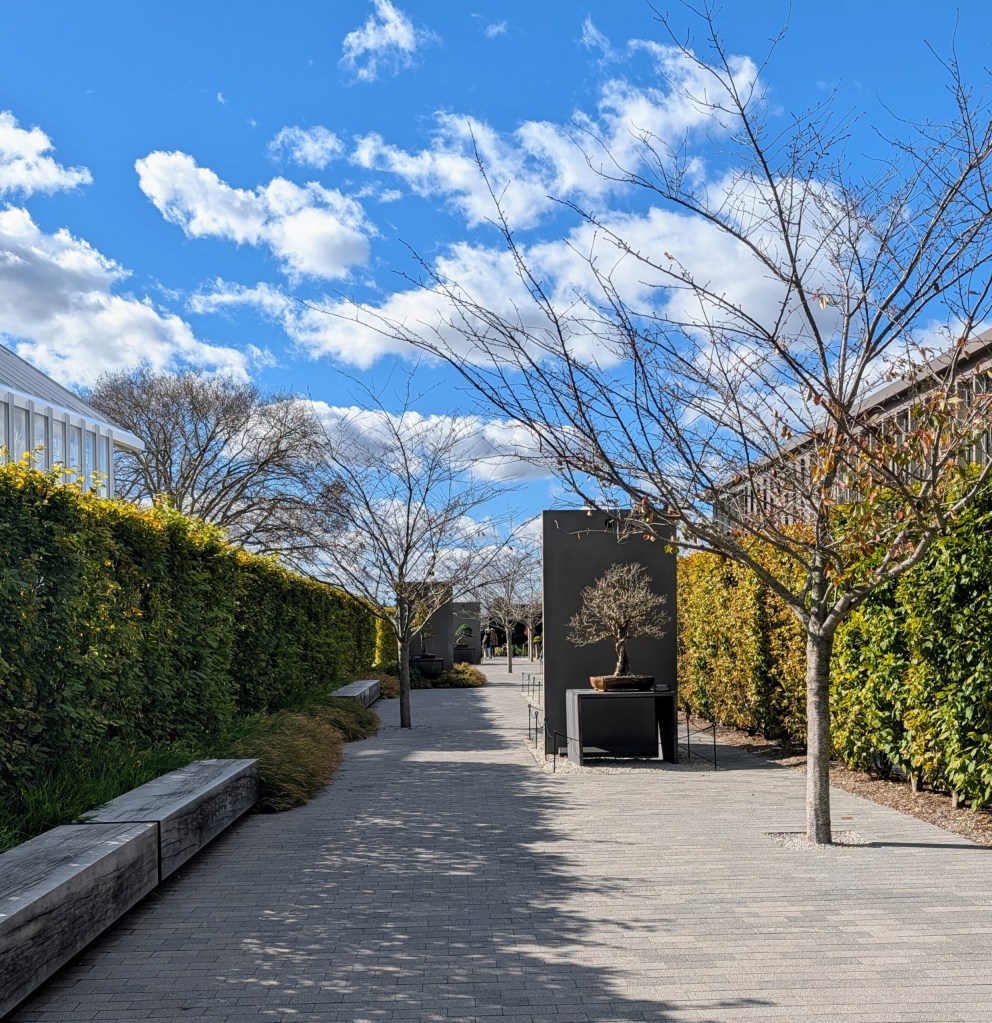
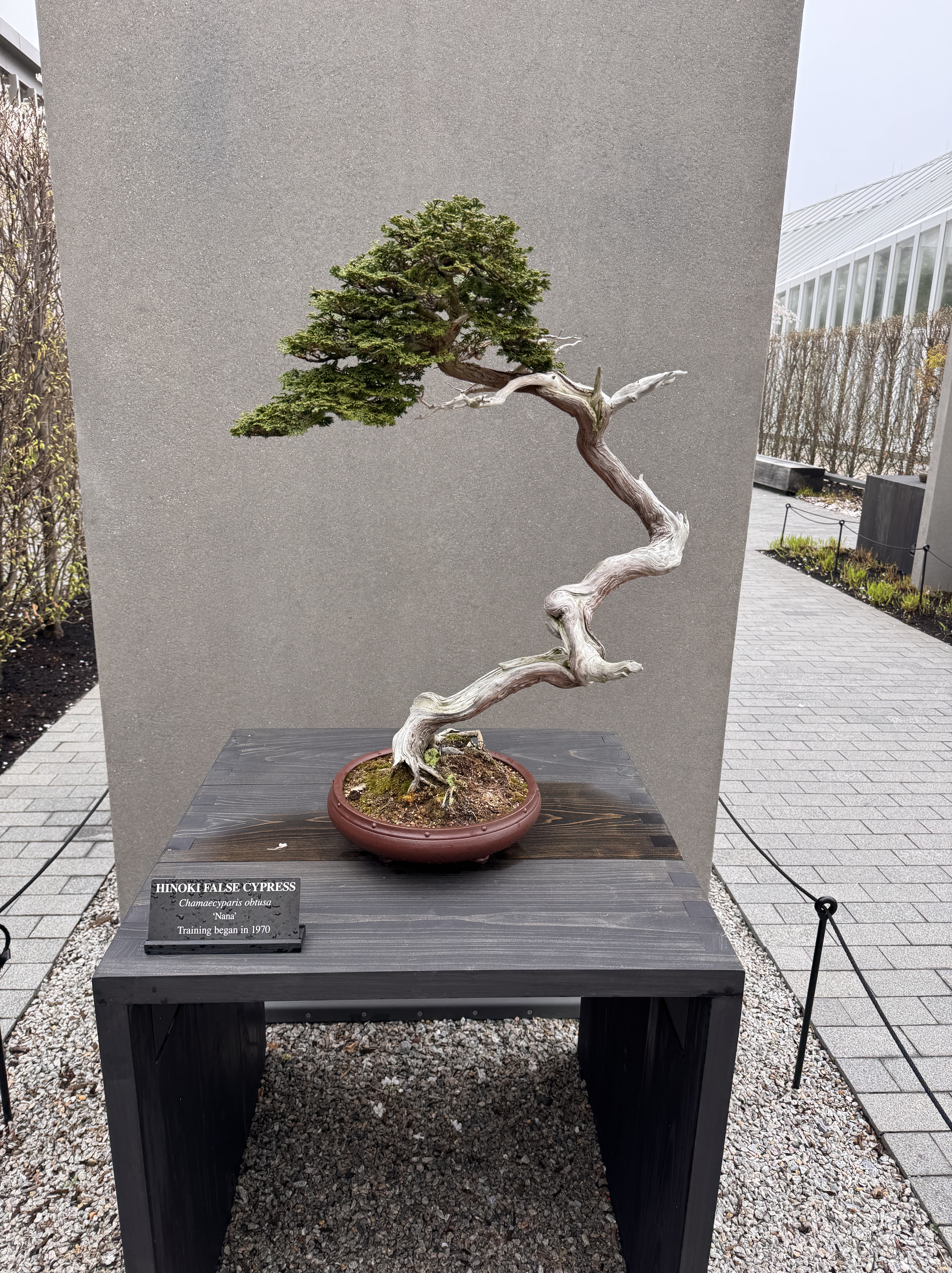
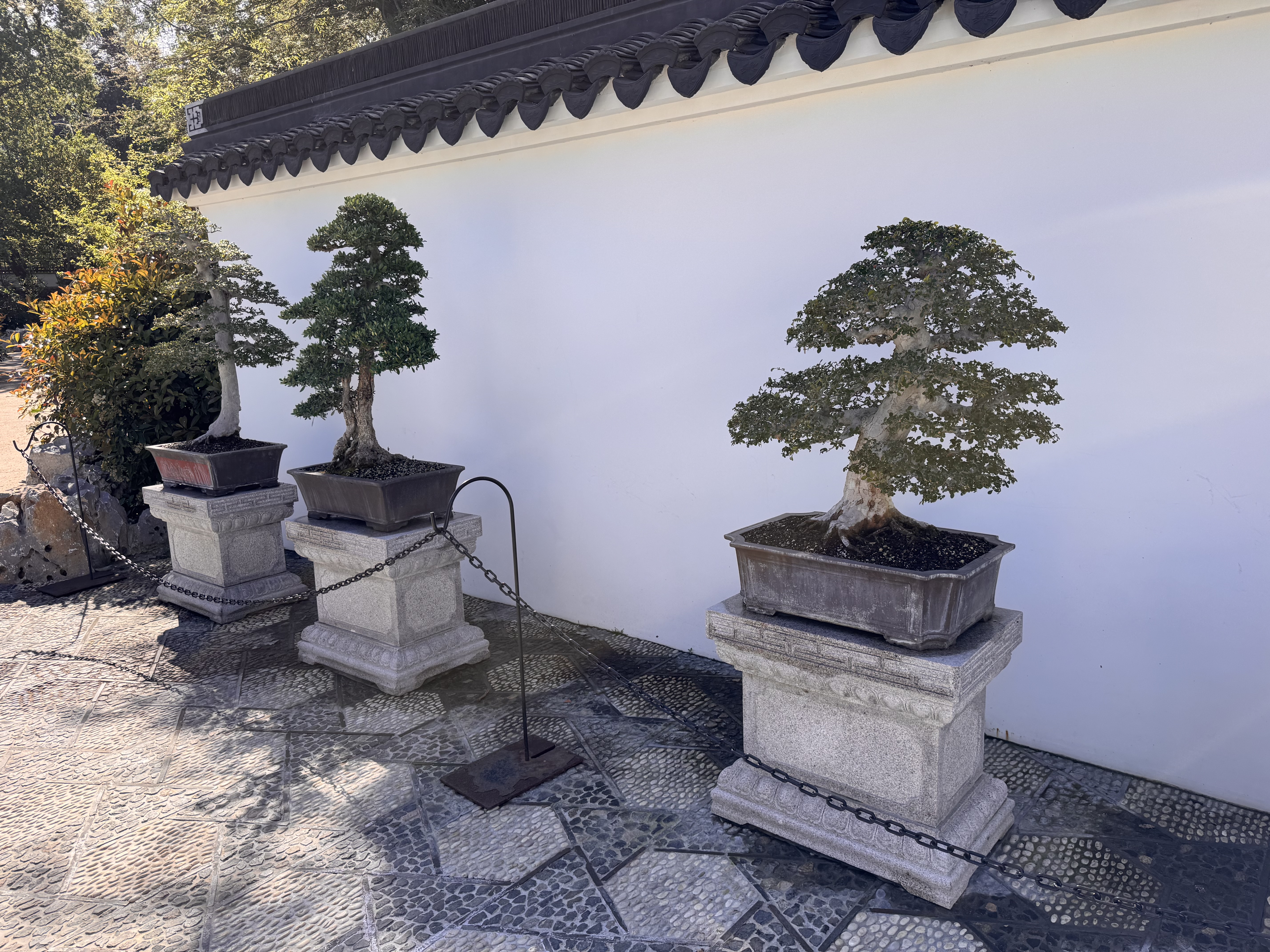
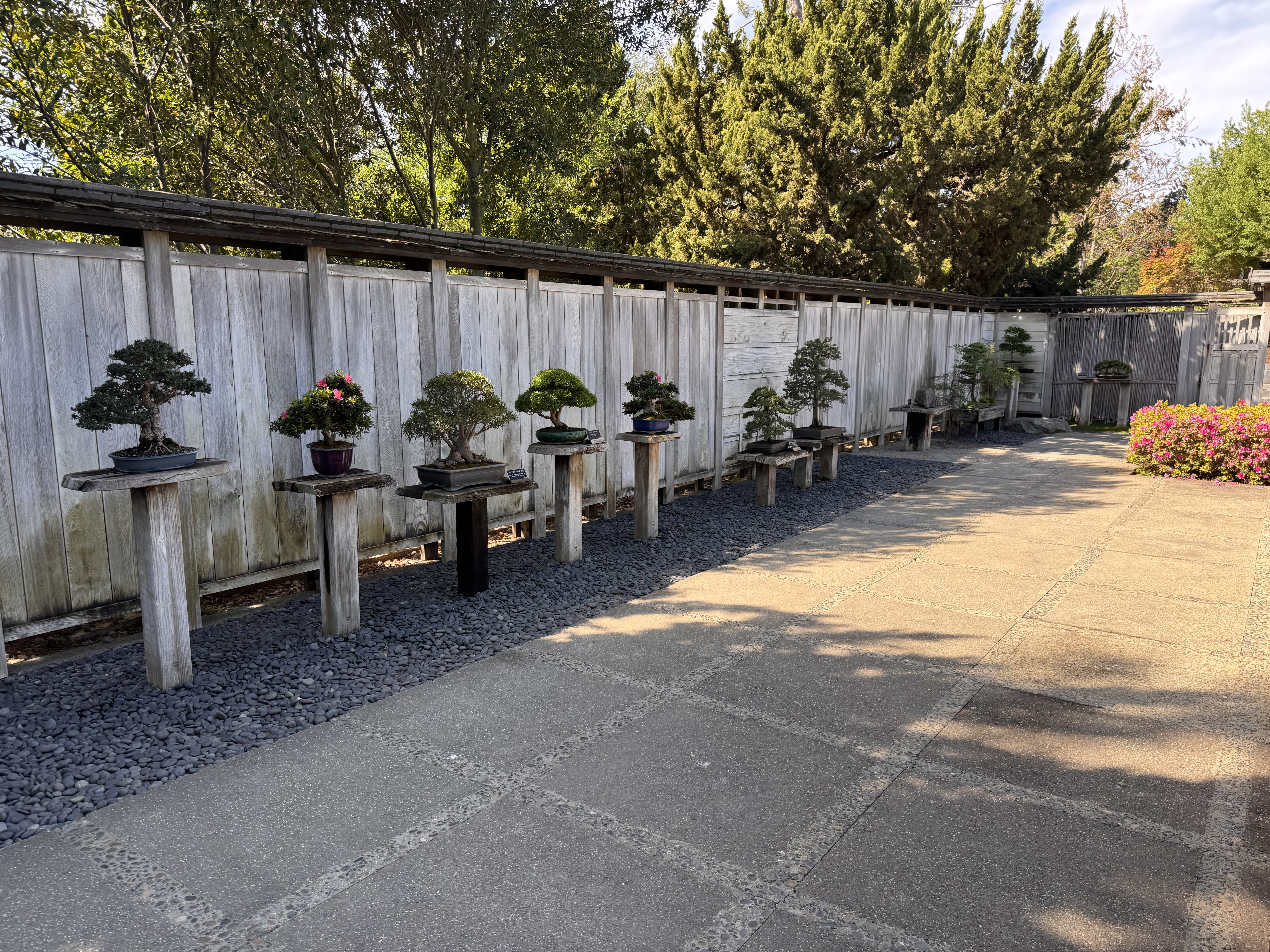
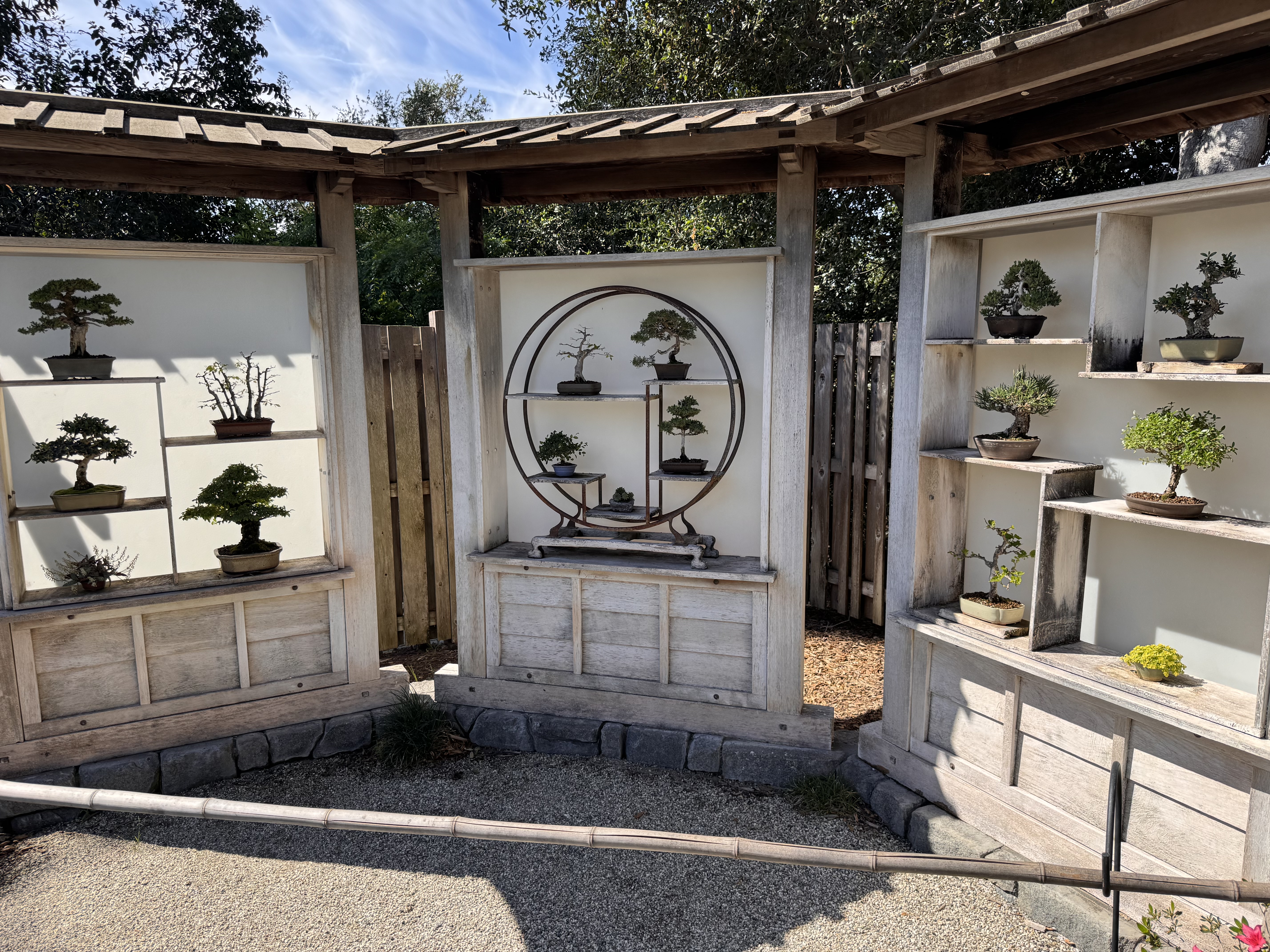
    Longwood Gardens, in Kennett Square, Pennsylvania, is one of the great American gardens – over 1,000 acres built on the legacy of Pierre S. du Pont. Its bonsai collection began modestly in 1959, with 13 trees purchased from the legendary Yuji Yoshimura, and has grown over the decades into one of the finest collections in the country. A transformative gift from the Kennett Collection – the largest private collection of bonsai outside Asia – added dozens more trees, including some Kokufu remarkable large specimens. Today the collection lives in the newly reimagined Bonsai Courtyard: a serene, gallery-like space with hedges and charred-wood backdrops, where each tree stands alone on its own pedestal, given room to be seen as a work of art rather than one of many.

    A small-world moment with Ofer

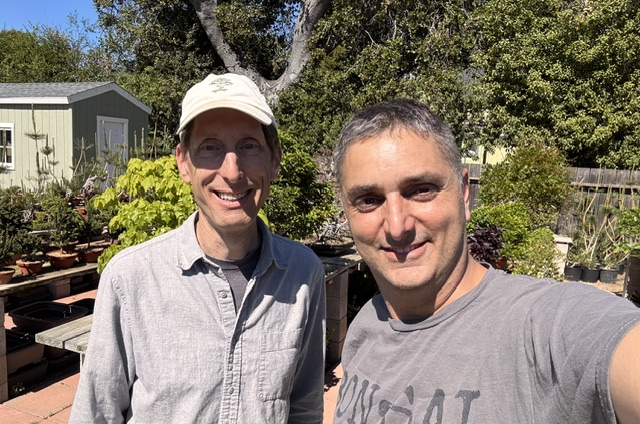
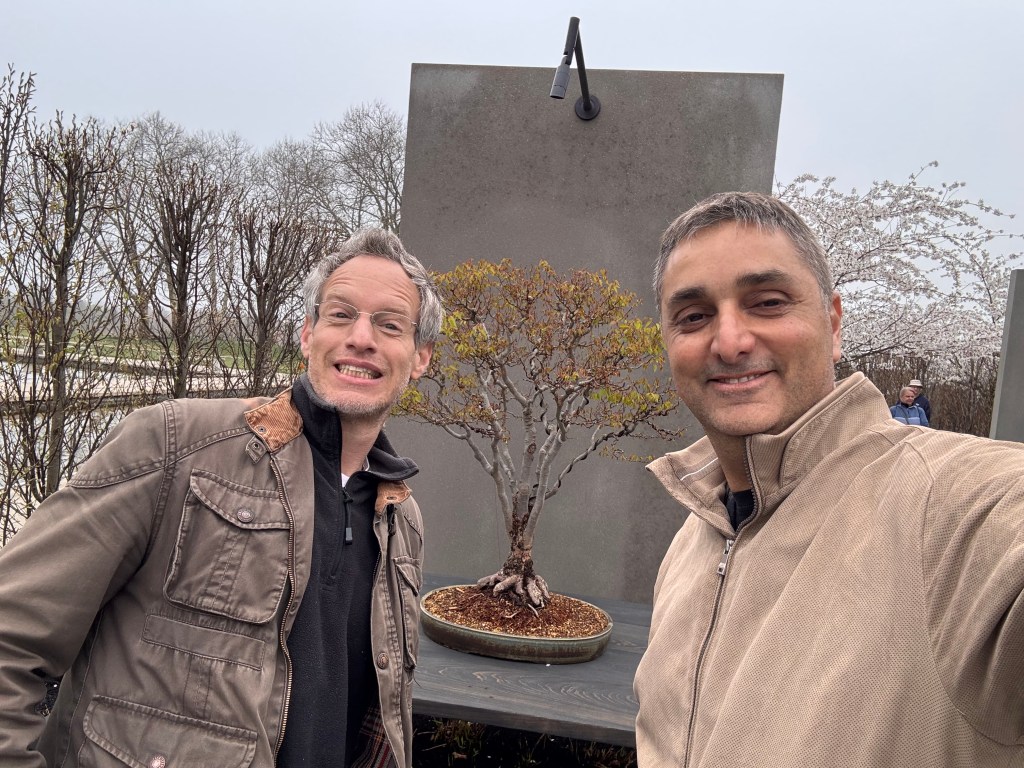
    Here’s where it got special. Ofer Grunwald – my teacher Shai’s own teacher – happened to be in the area visiting family. Small world: Ofer grew up partly in this area, and he told me it’s the very place where he first fell in love with bonsai. He was happy to join me, and just like that, my forced layover turned into something else entirely. Instead of sitting in an airport hotel like a stranded refugee, I was walking through one of the most renowned bonsai collections in the US with one of the most renowned bonsai professionals.
    The trees and the display

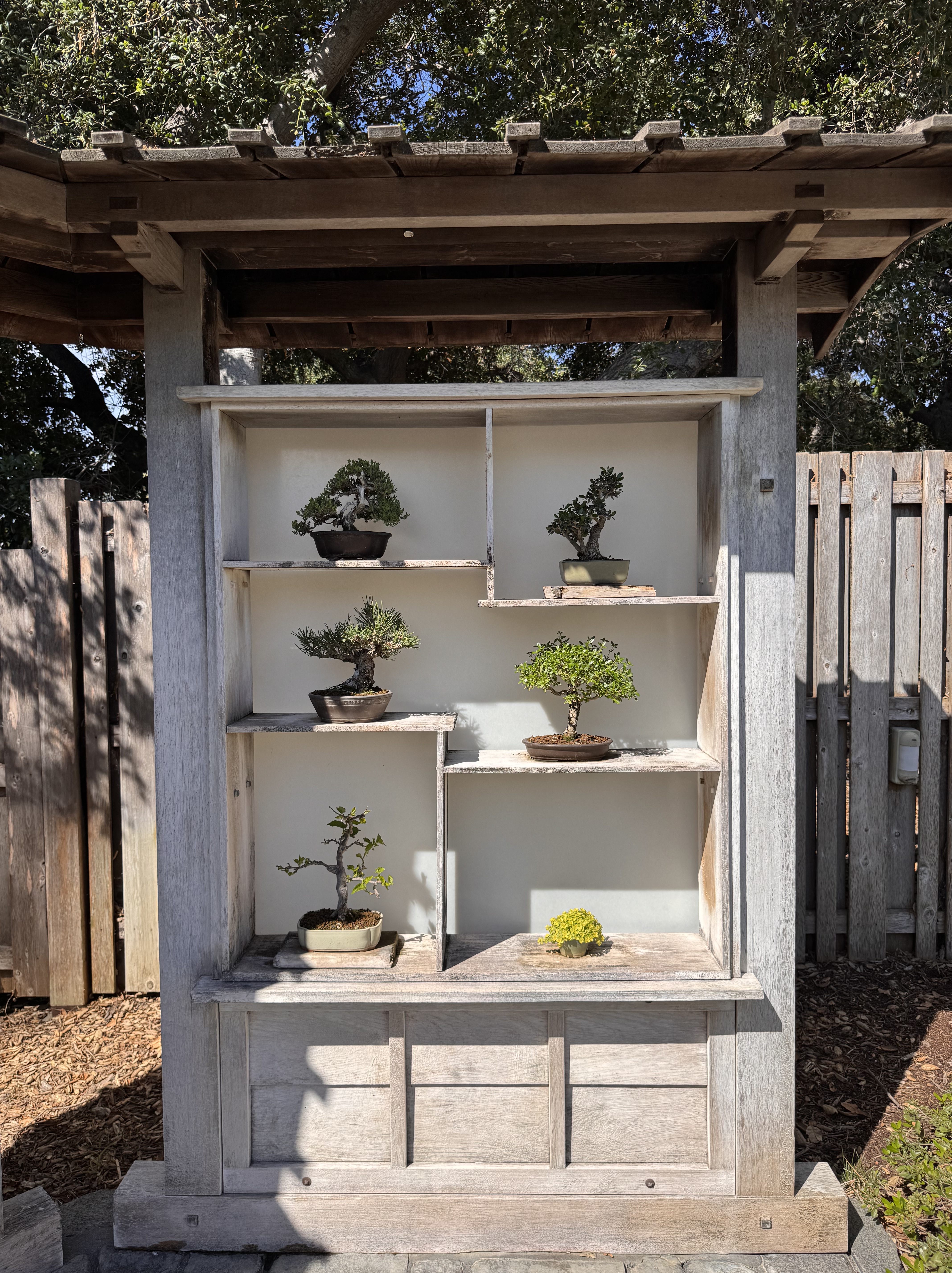
    What struck me most was the way each tree is given its own space – no crowding, no competing for attention. The design lets you approach one tree at a time, really see it, before moving to the next.
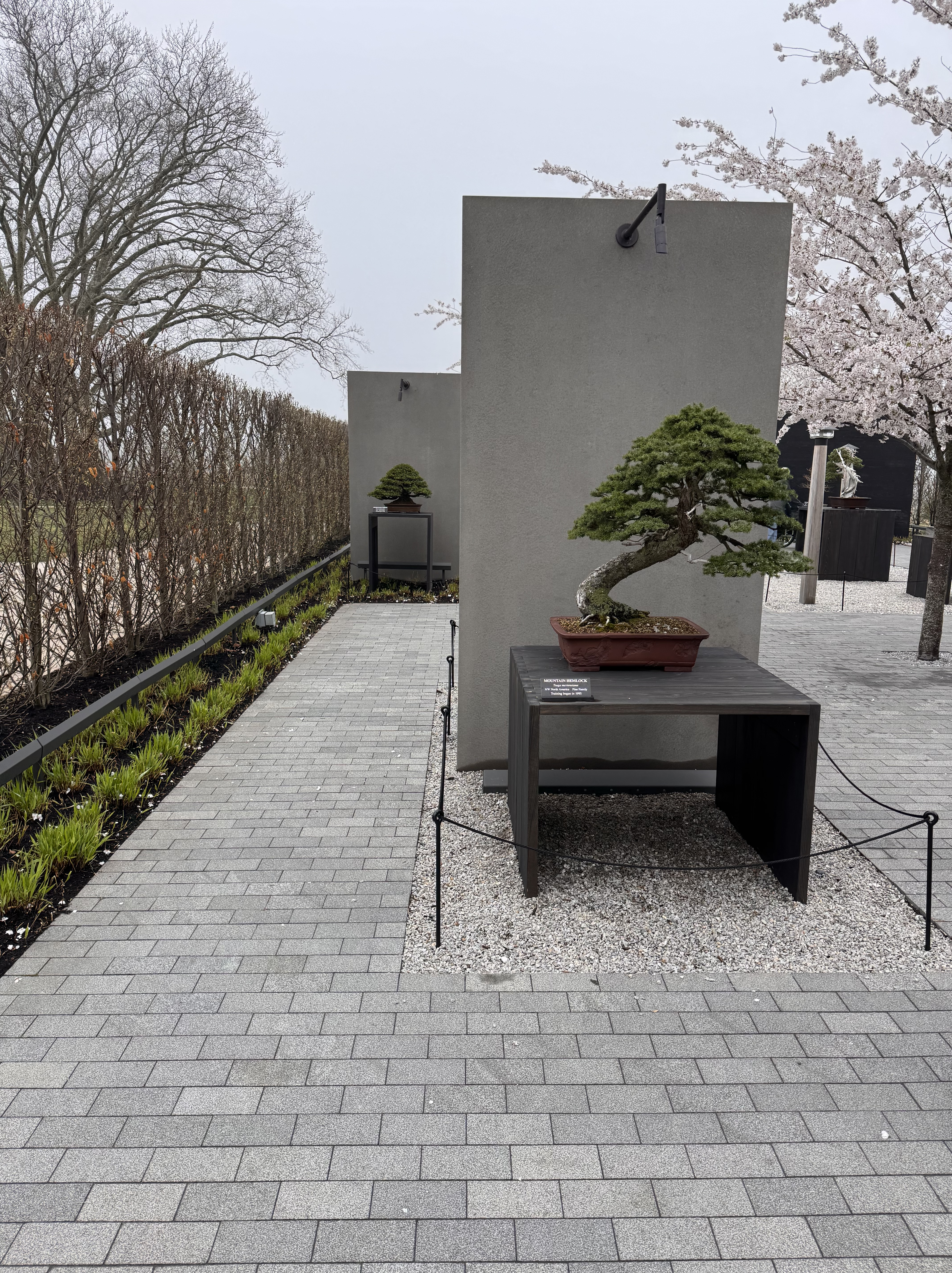
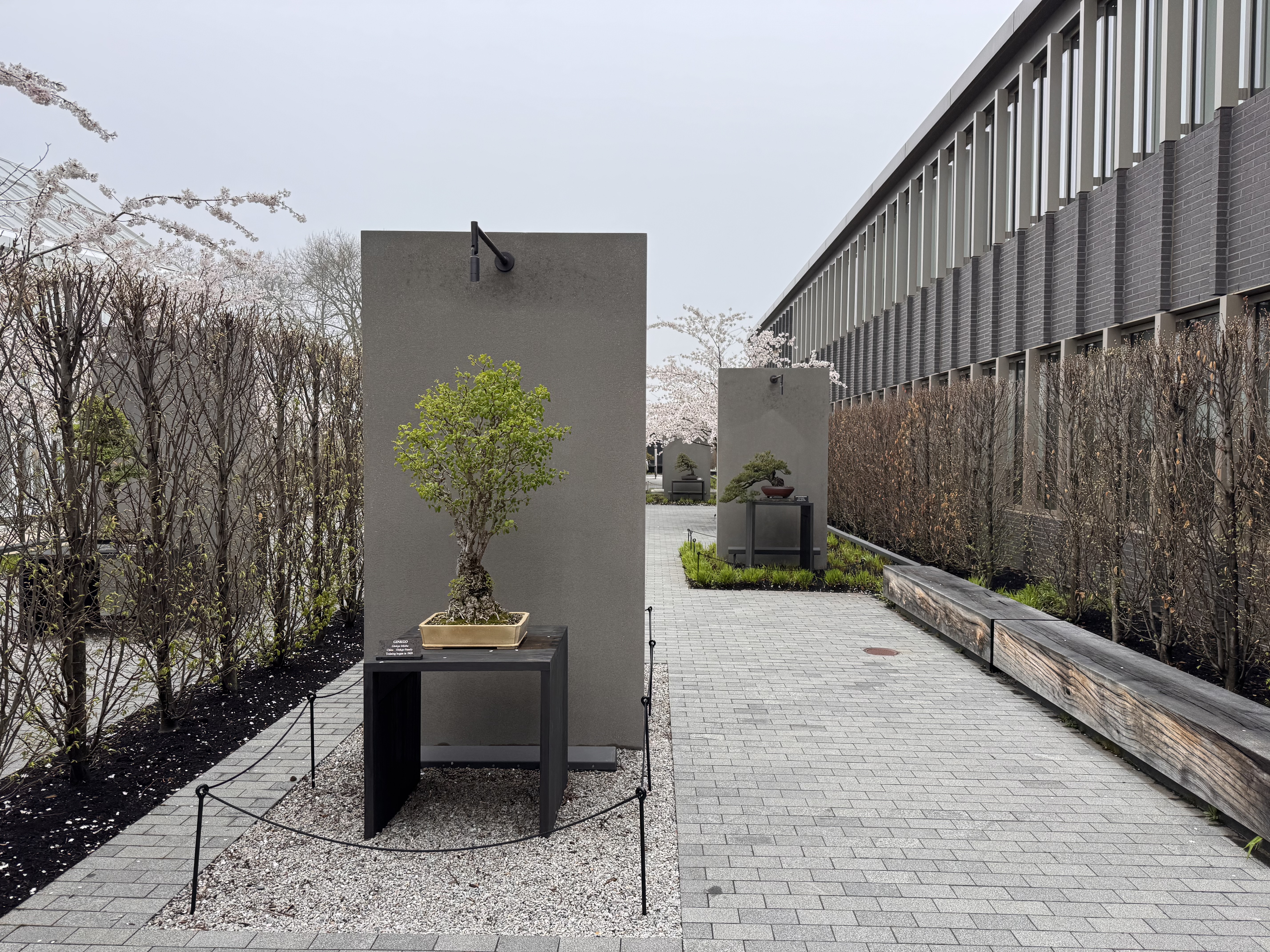
    Walking it with Ofer made all the difference. He’d stop at a tree and unpack it for me: how it likely became this shape, what the artist was probably going for, the choices behind the pot, the angle, the deadwood.
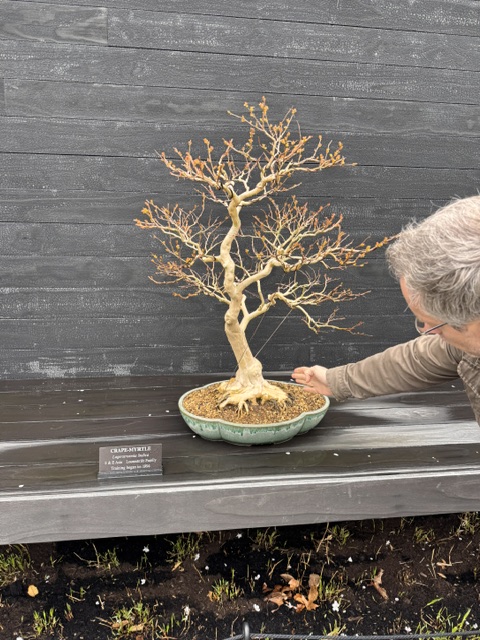
    That kind of reading – layered onto a display already built for close looking – taught me more in an afternoon than I could have absorbed alone in a week.
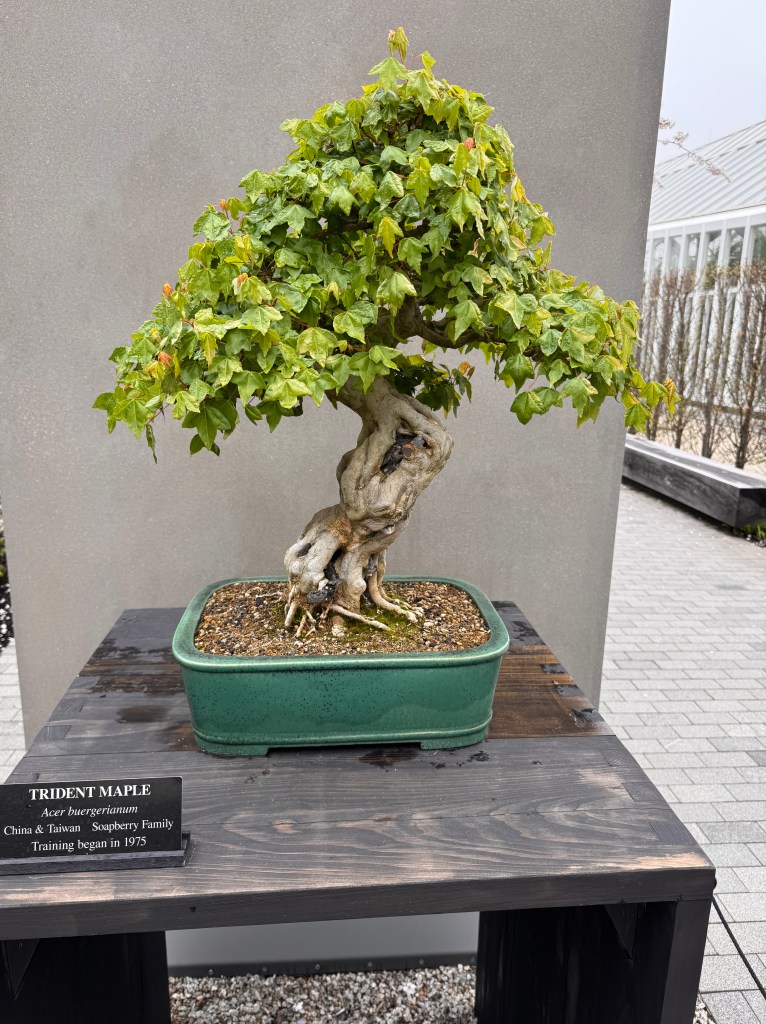
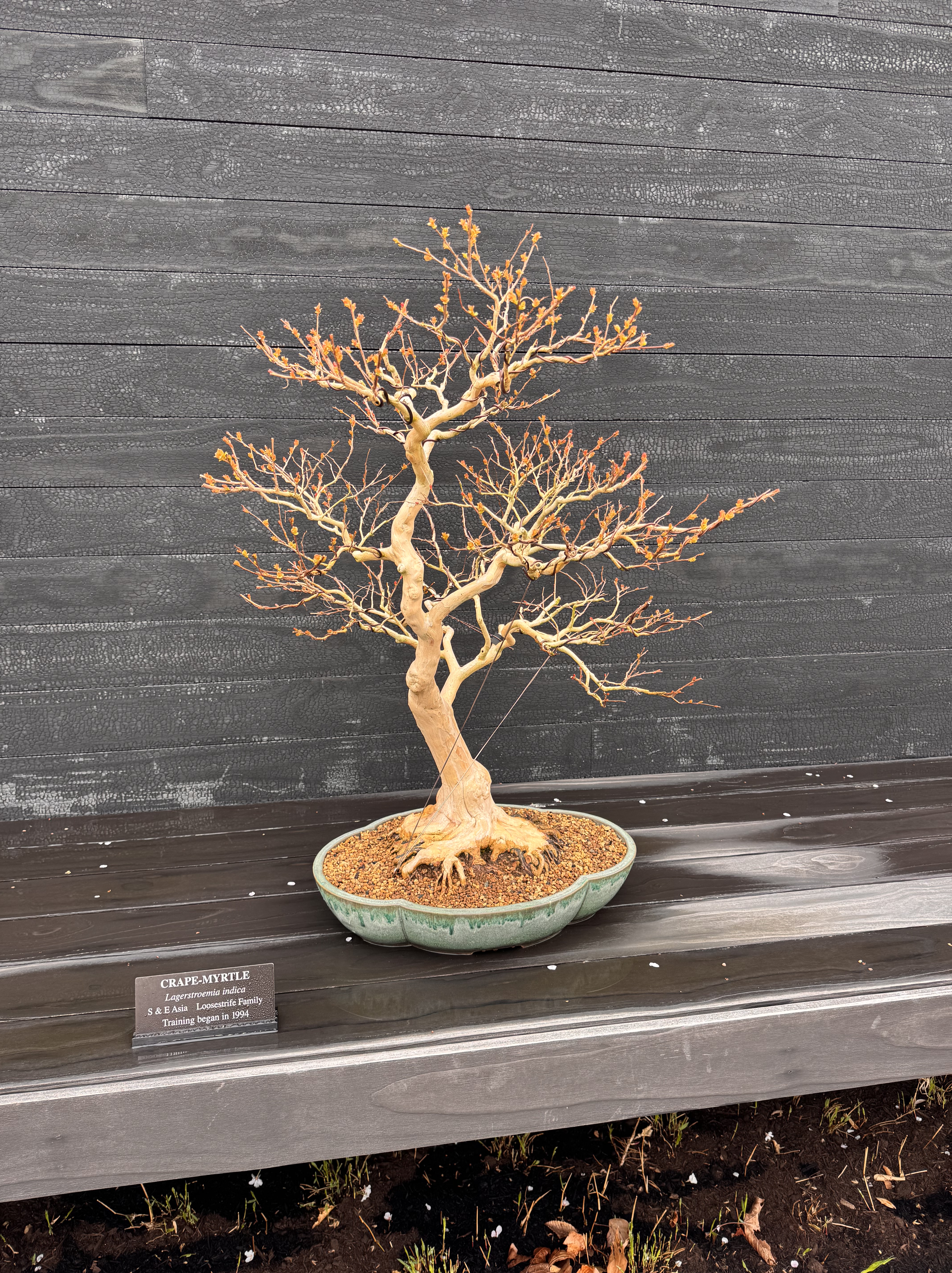
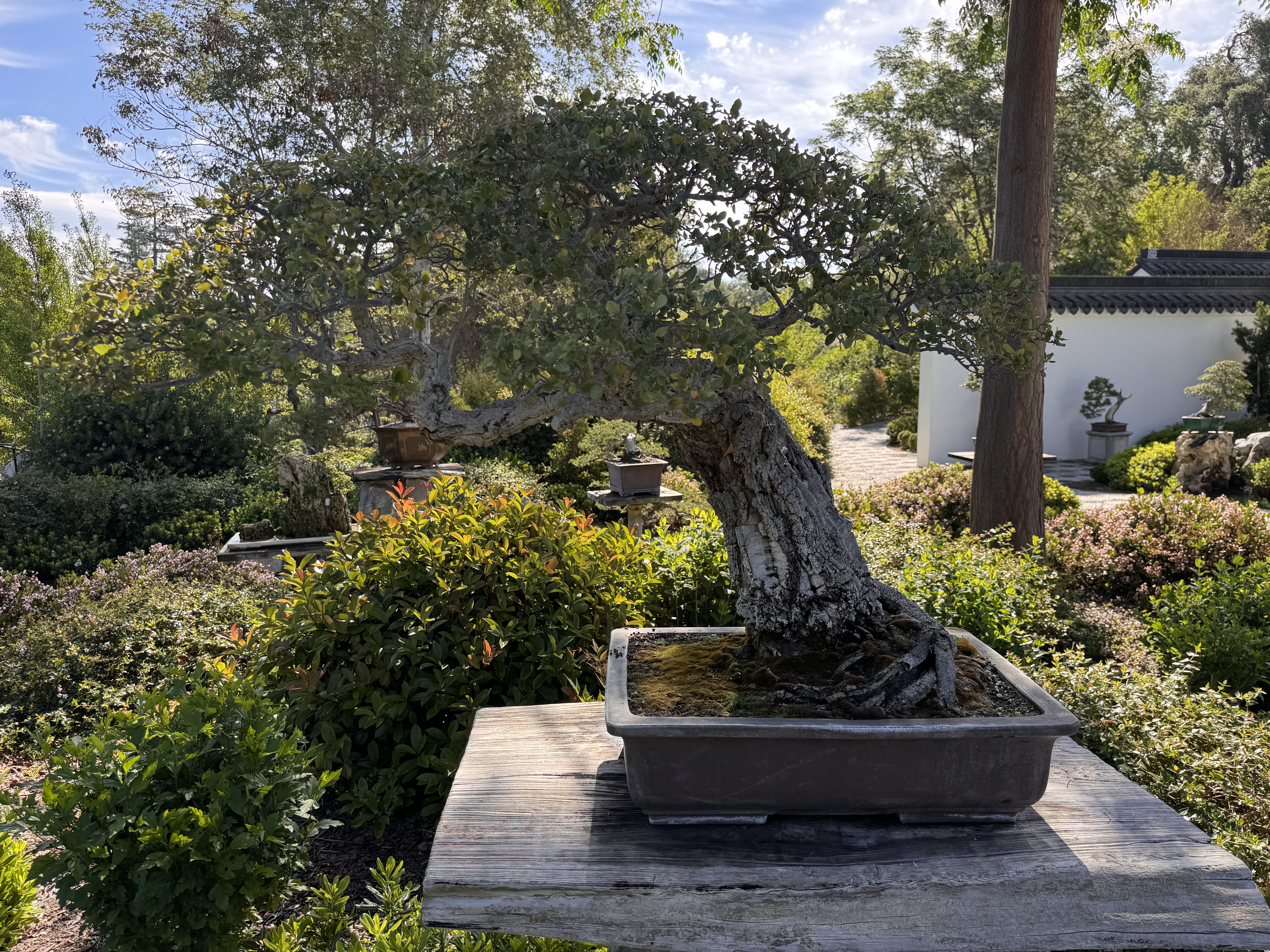
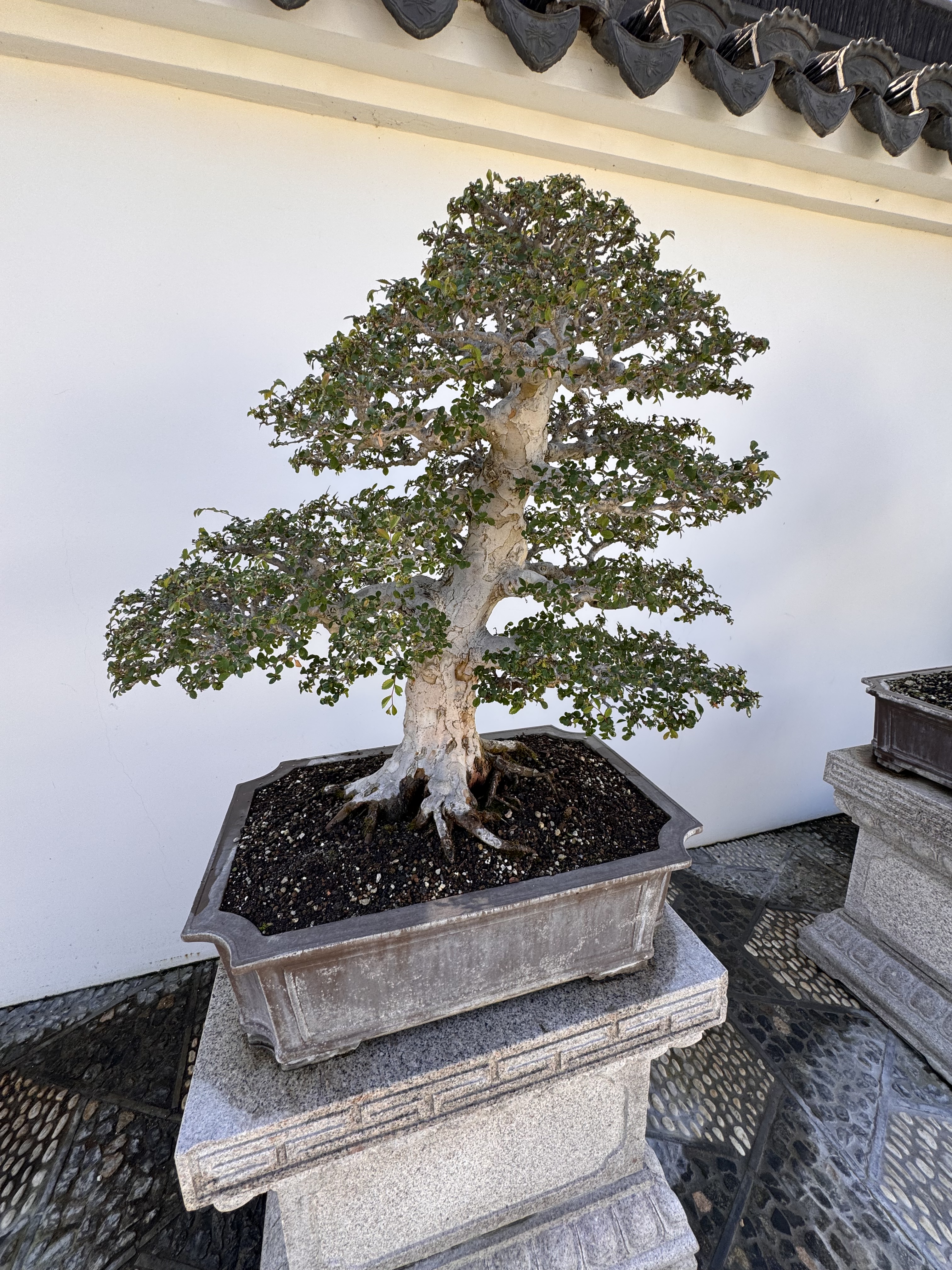
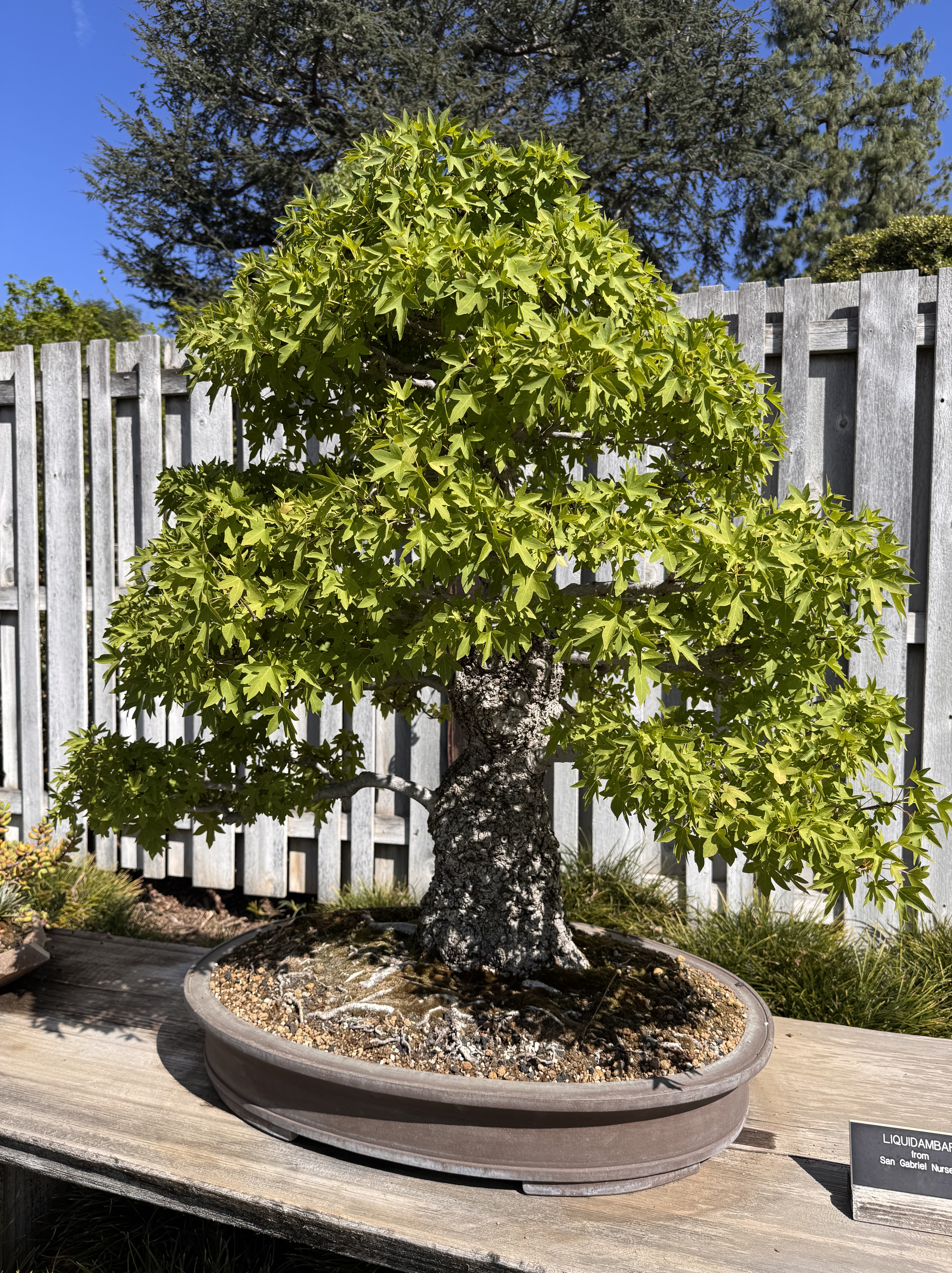
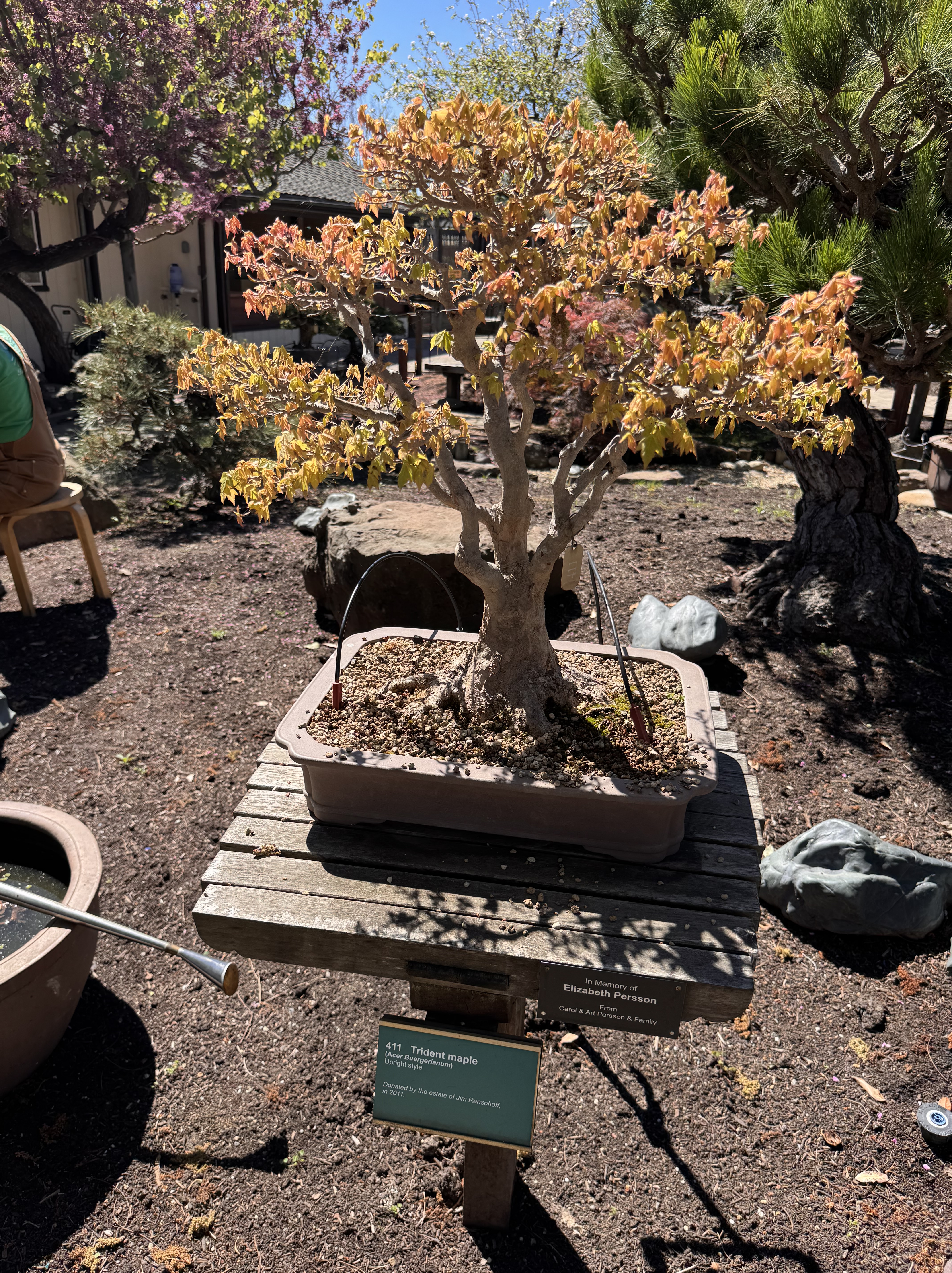
    Trident Maple, in Training since 1975
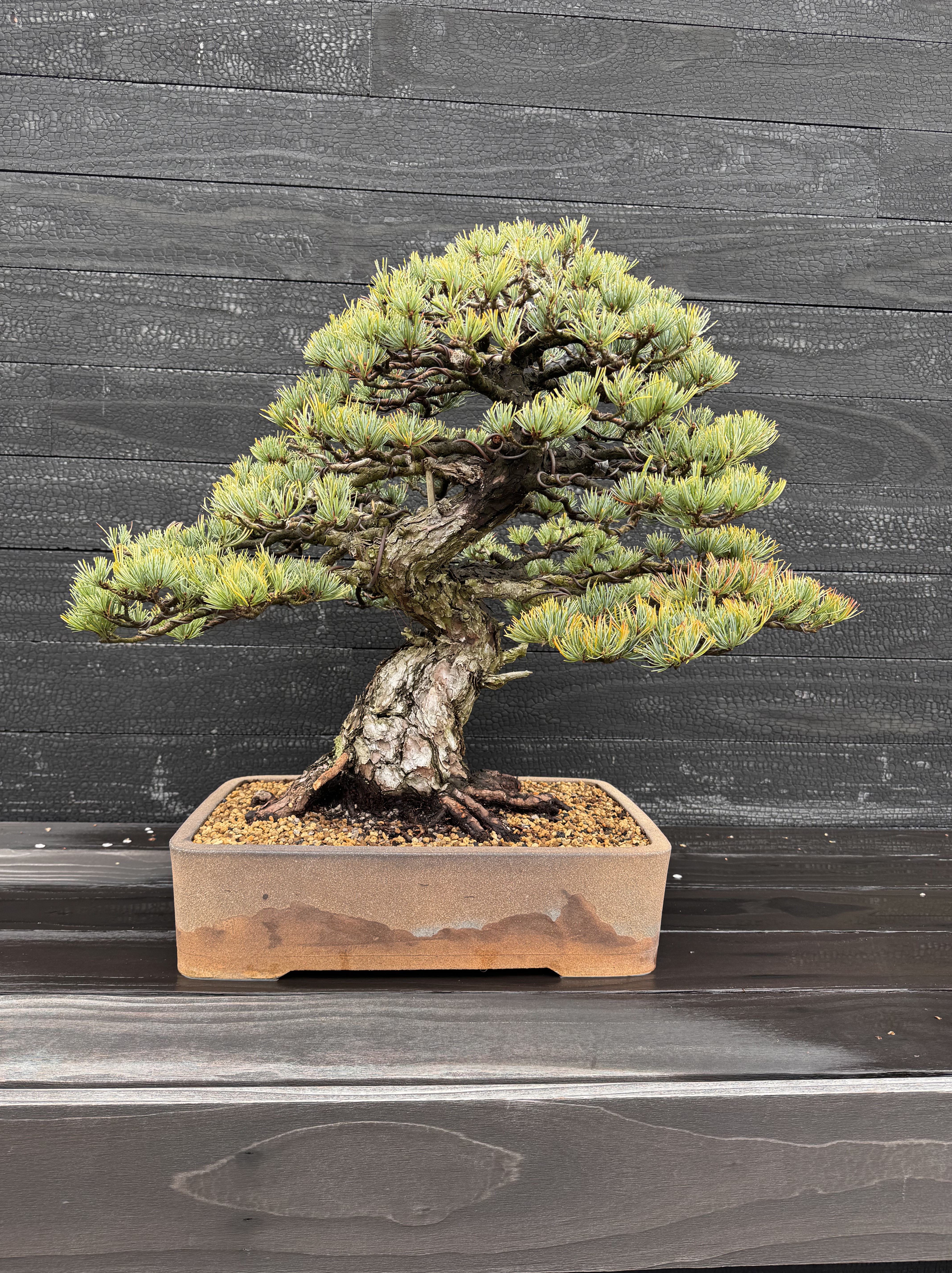
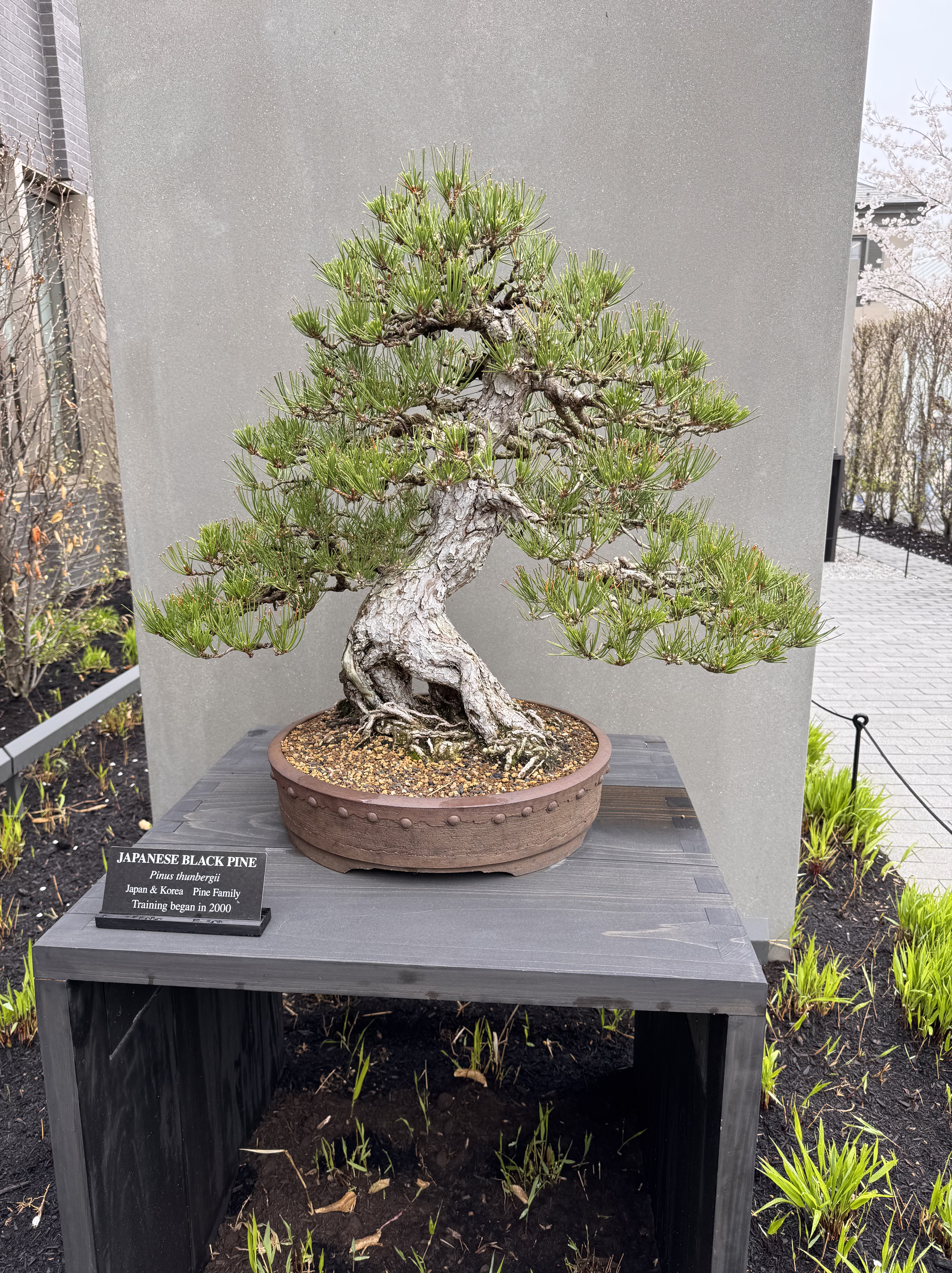
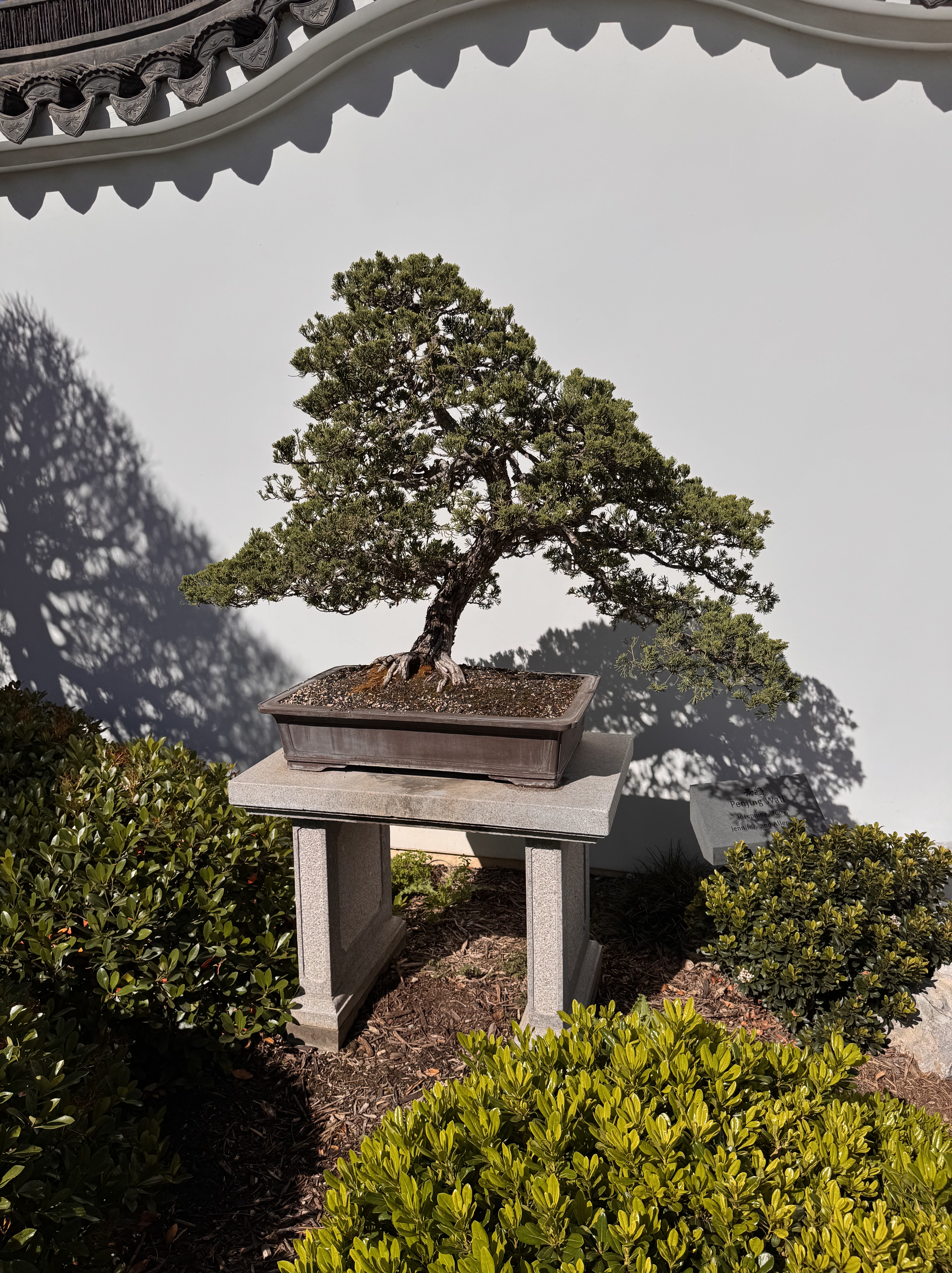
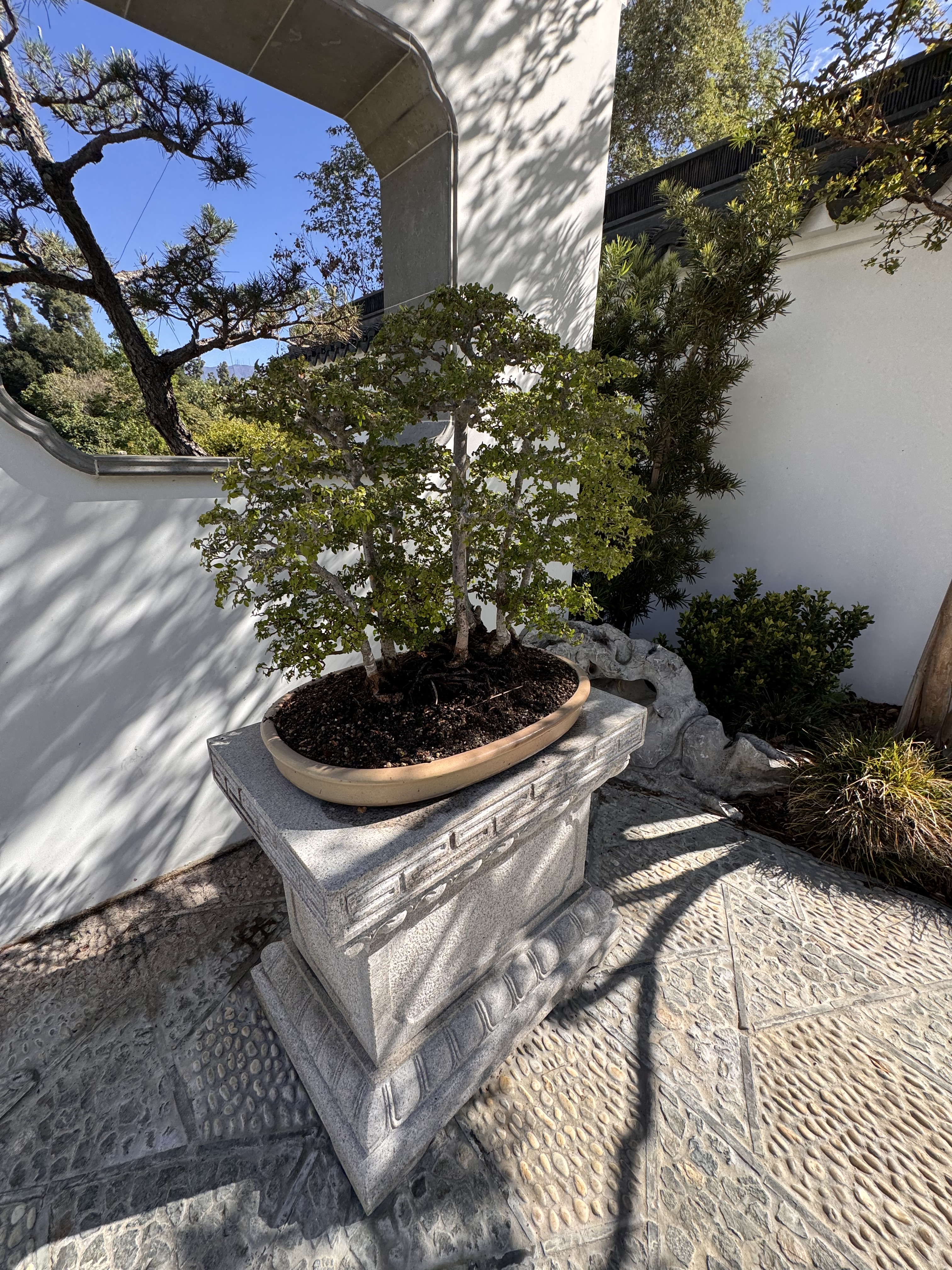
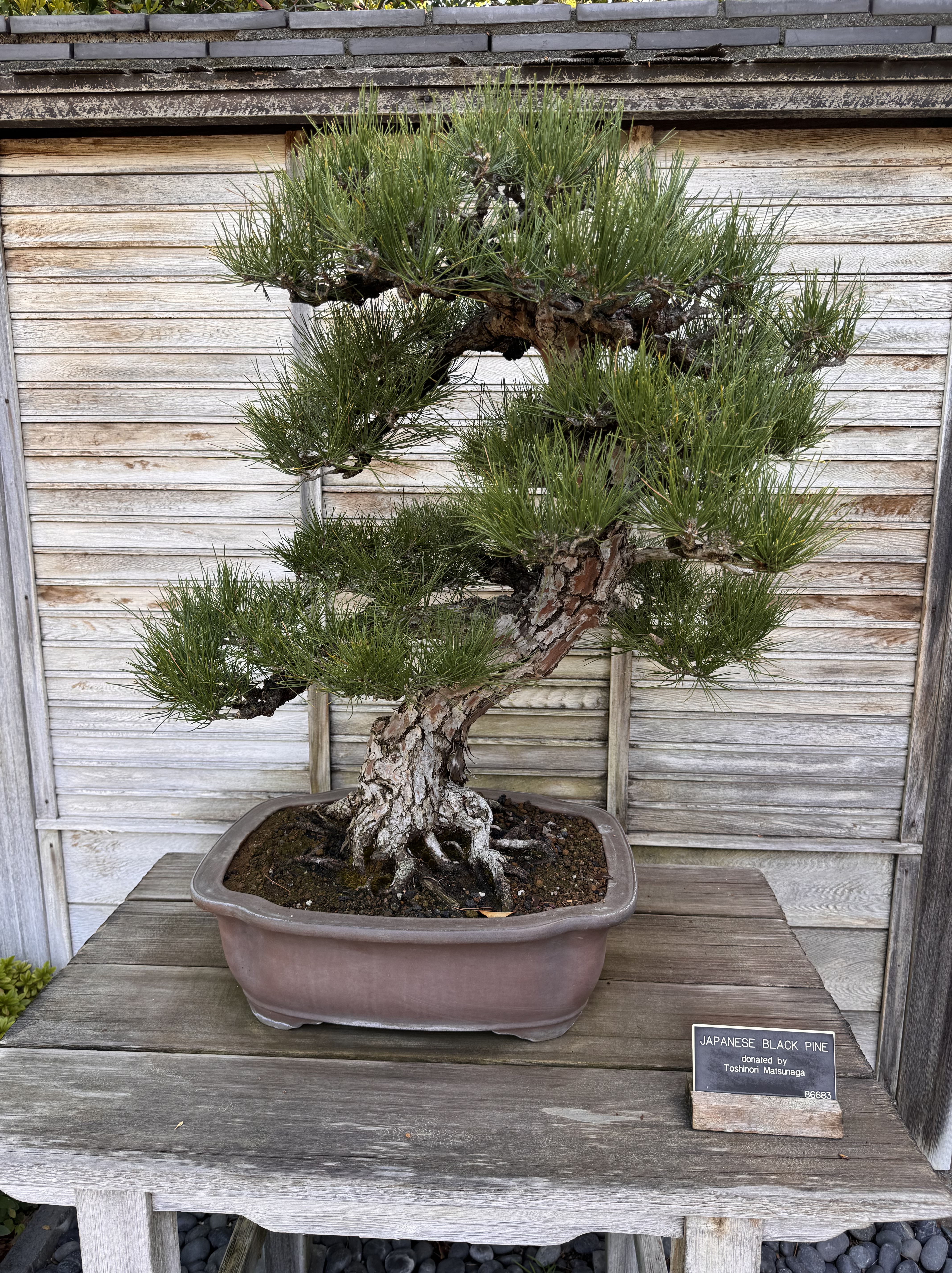
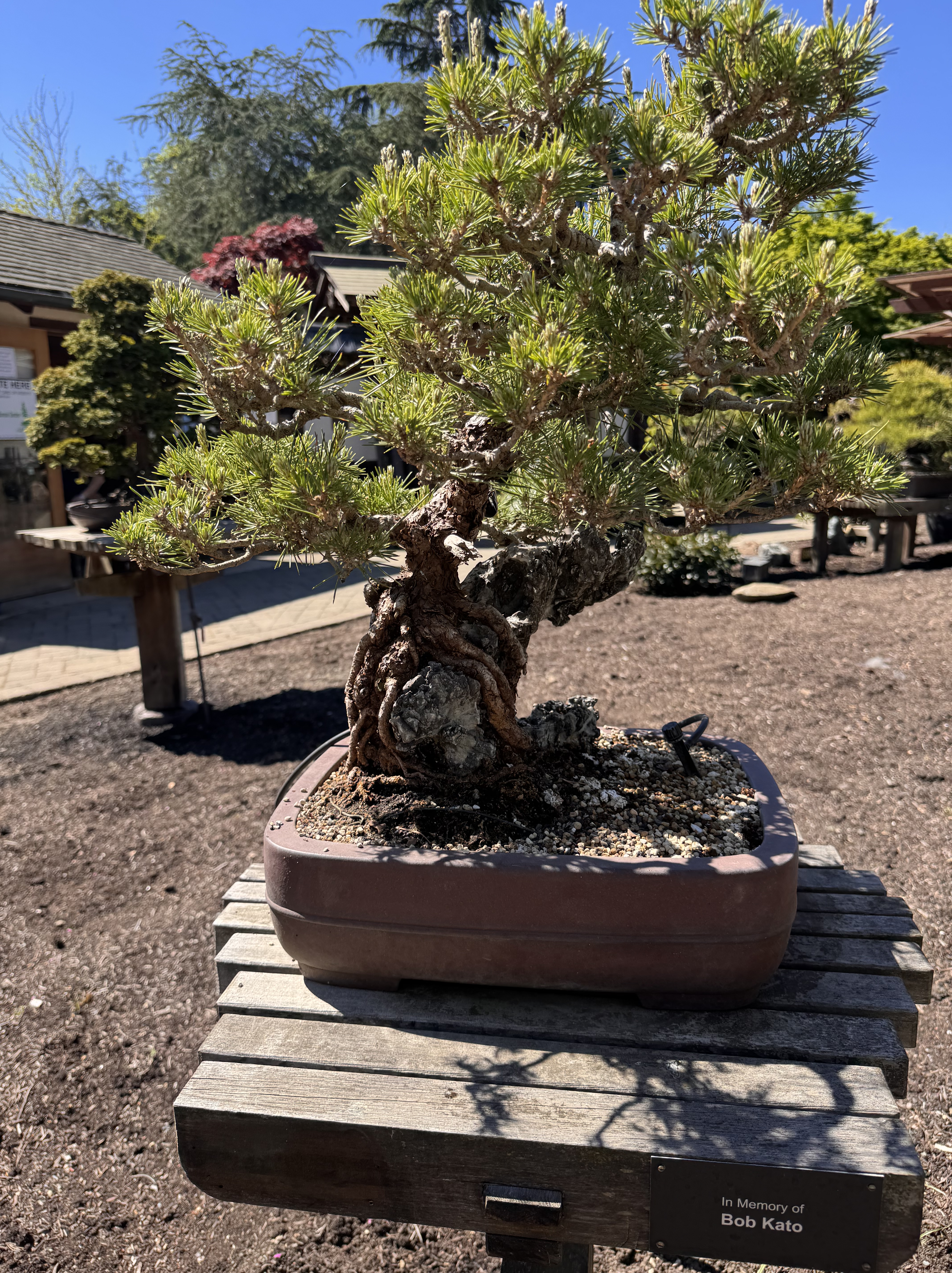
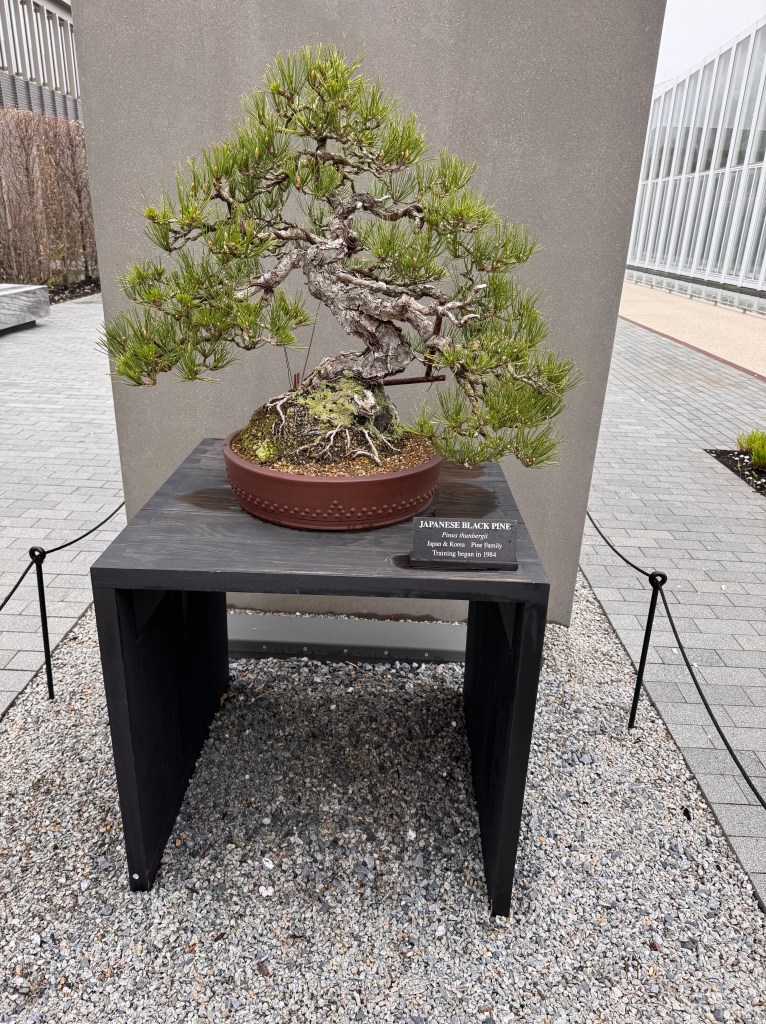
    Black Pine, in training since 1984
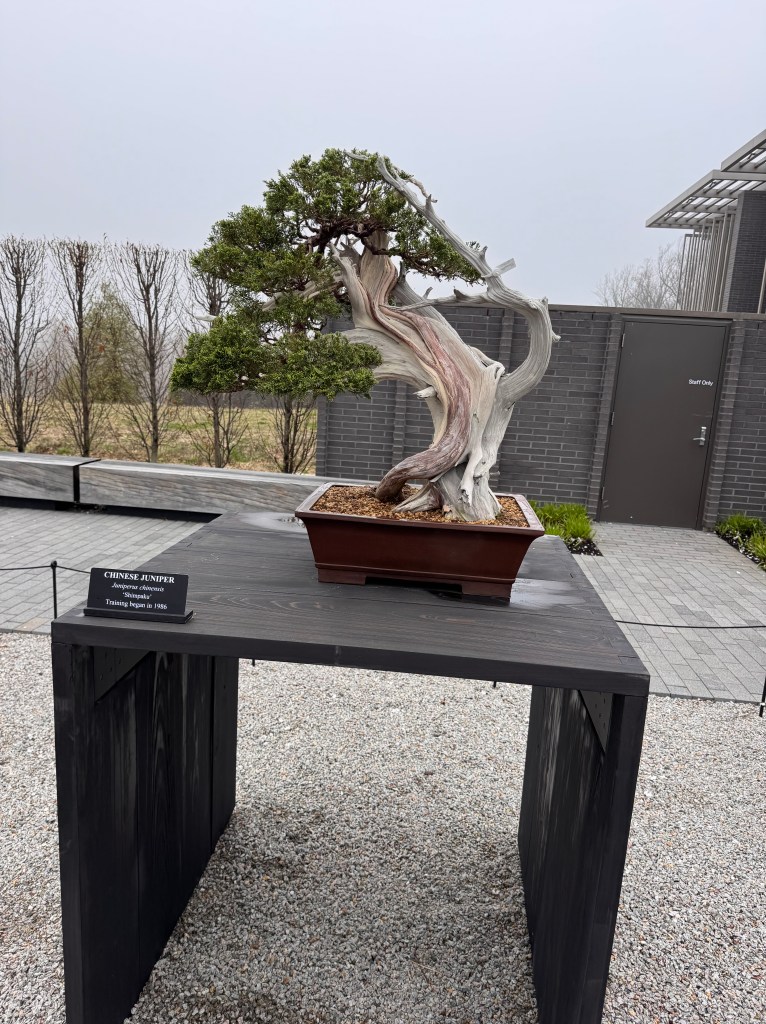
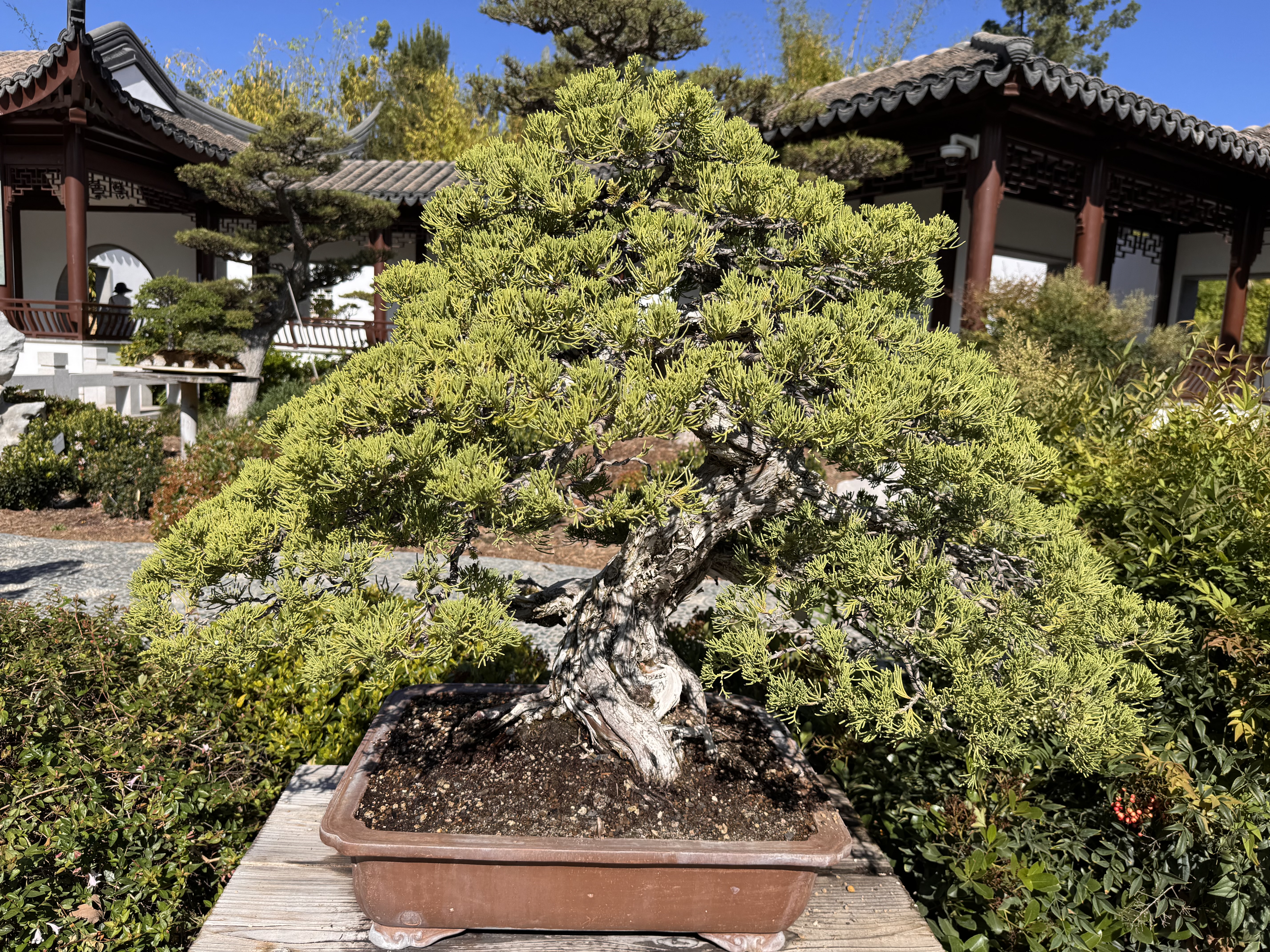
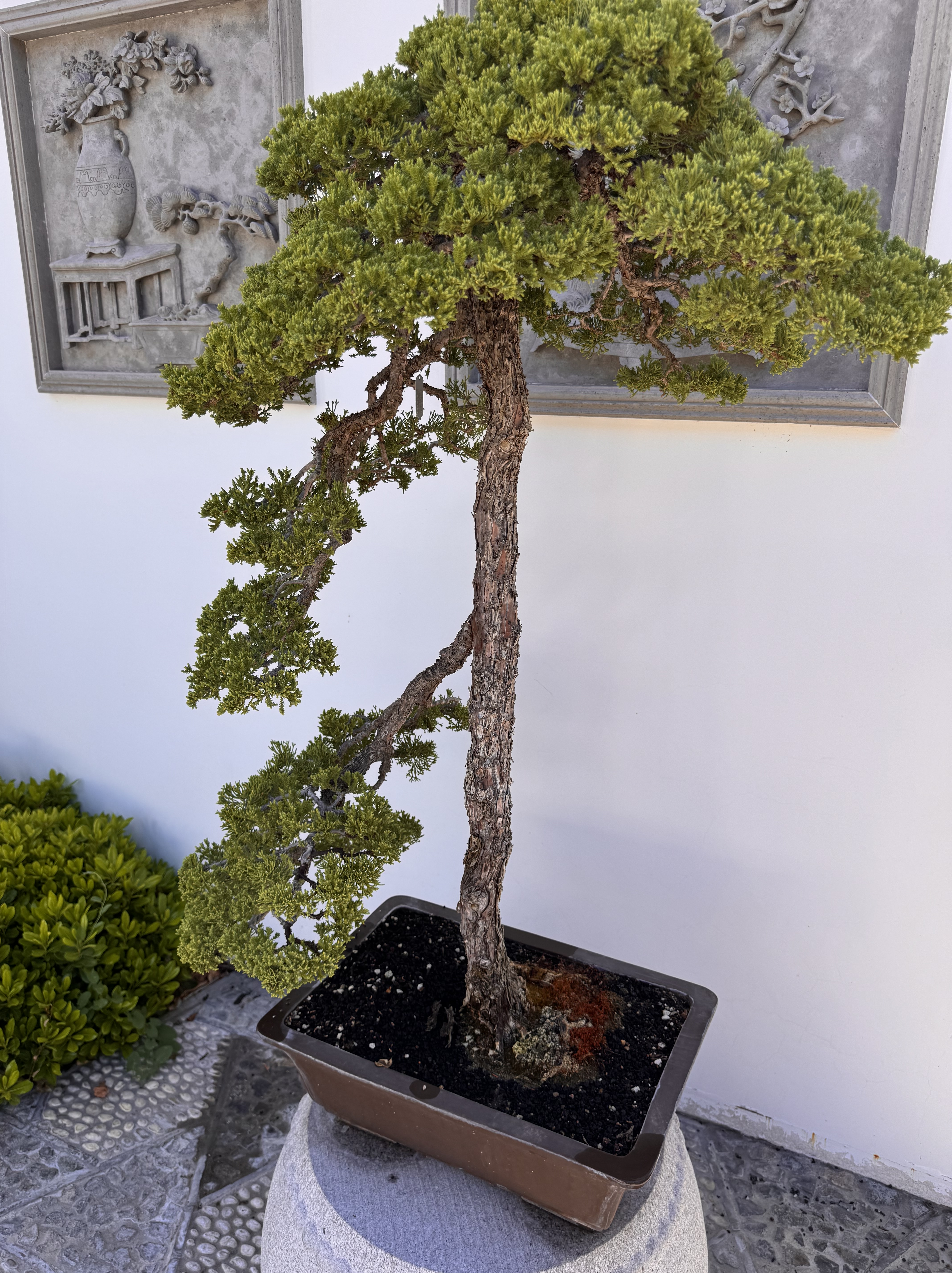
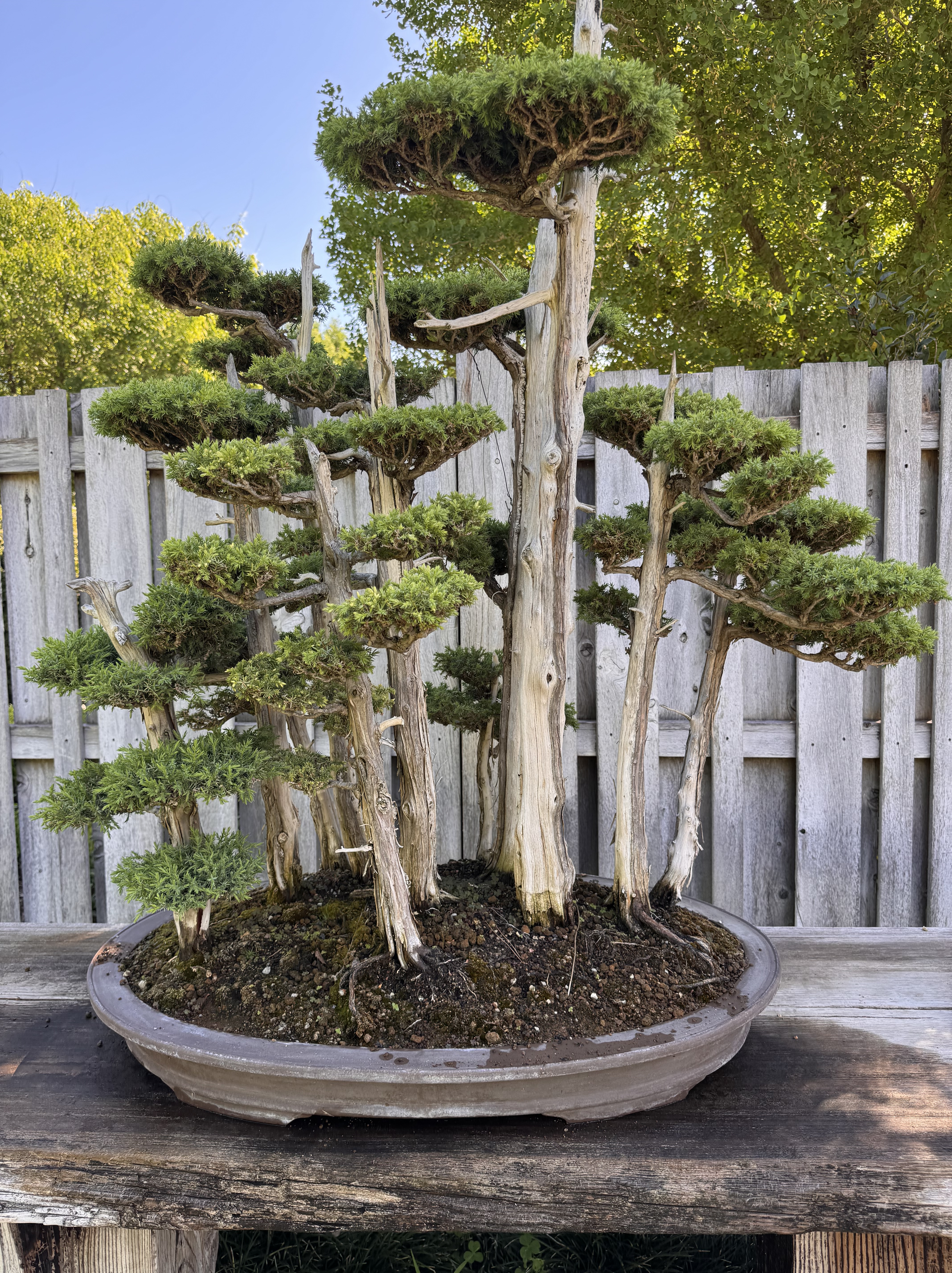
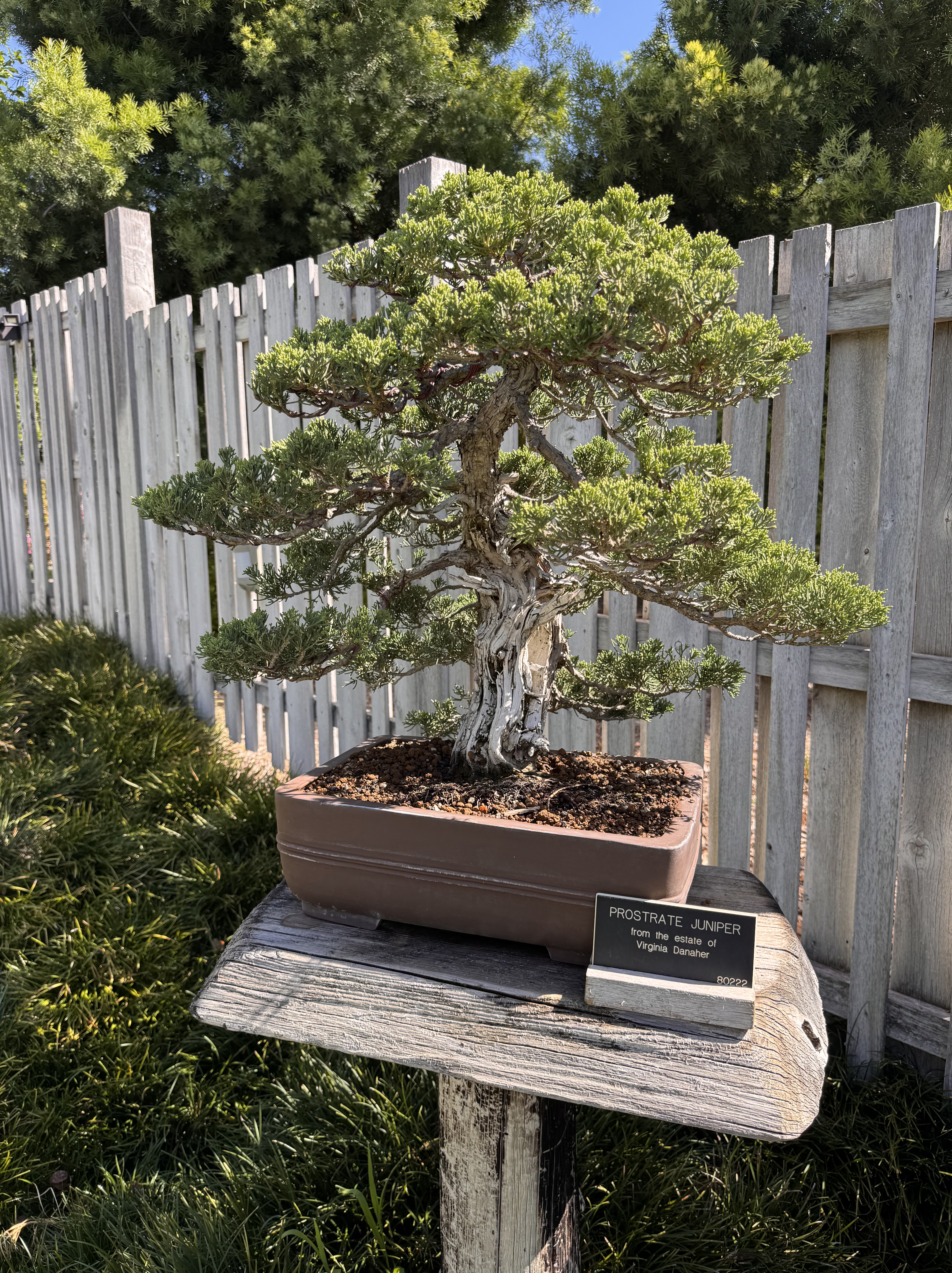
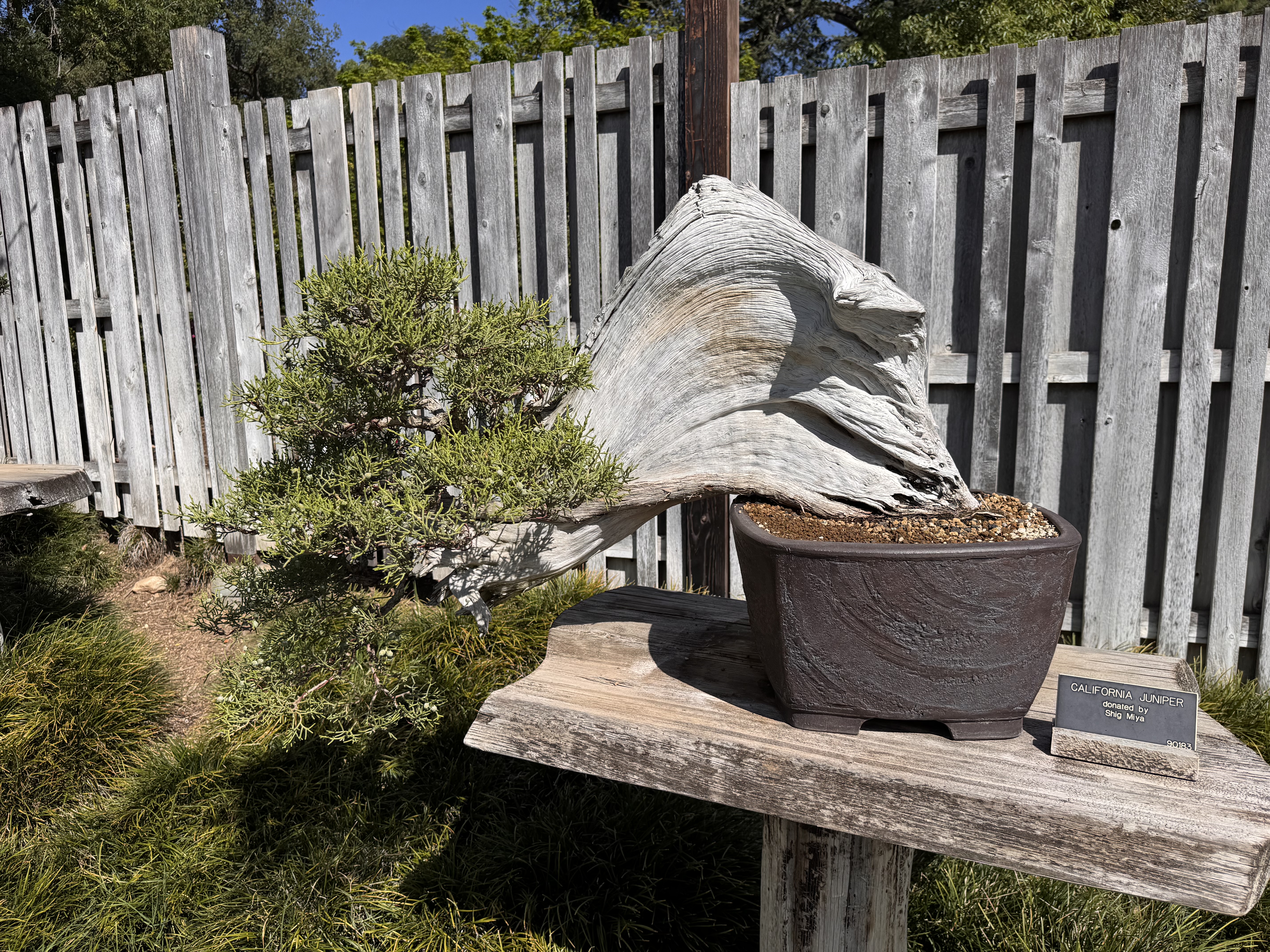
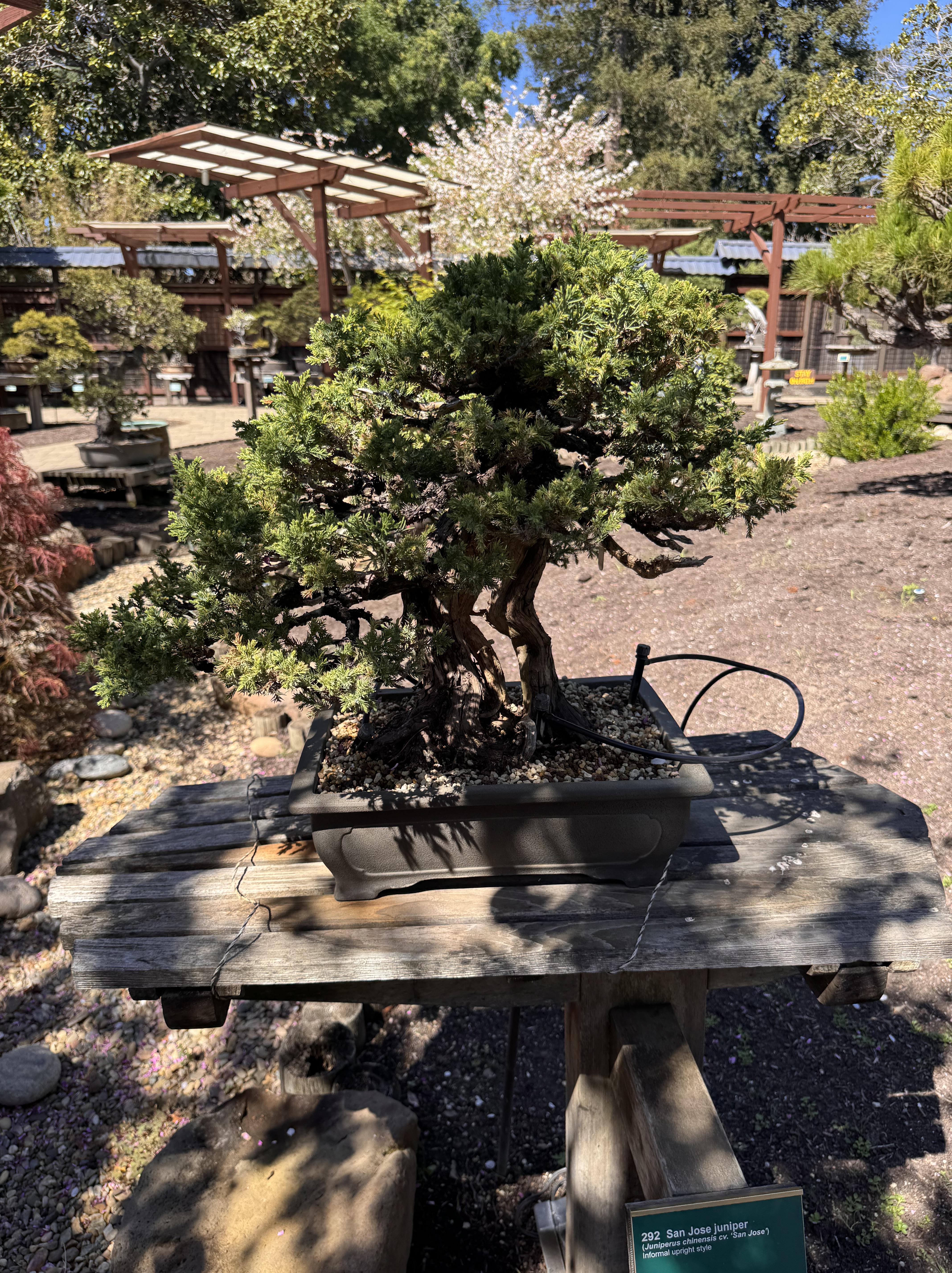
    Juniper, training started 70 years ago!

    that special day brought me closer to Ofer, who’s become something of a mentor to me since. I feel incredibly lucky to have both him and Shai in my corner as I keep going down this path.

    And that was it – the end of the April US trip. Two and a half very full weeks, business and bonsai woven together, with some of the best gardens and bonsai masters on both coasts along the way.
  • A Quiet Morning Among Giants: The Huntington Gardens

    A Quiet Morning Among Giants: The Huntington Gardens

    After a full week in San Francisco — Jonas Dupuich, the Bonsai Garden at Lake Merritt, and more trees than I could properly process in a few days — I packed up and headed south to Santa Monica for another work event. Business trips have a funny way of doing that to me lately: I land somewhere for meetings, and somewhere in the itinerary a bonsai detour quietly writes itself in. This time, though, I got lucky in a different way — the weekend was entirely mine. No meetings, no calls, just two free days in LA. And you already know what that meant.

    Where to go? Jonas had the answer.

    Before I’d even left San Francisco, I asked Jonas where I should point myself in LA. He didn’t hesitate: The Huntington. And he did more than just point me in the right direction — he introduced me to Daniel Deephouse, the Huntington’s (relatively new) curator of the bonsai collection, who kindly offered to meet me there in person and walk me through the collection, including the parts visitors don’t normally get to see.

    A high-level word on the Huntington itself: The Huntington Library, Art Museum, and Botanical Gardens is a sprawling estate in San Marino, just outside Pasadena — originally the private estate of railroad magnate Henry Huntington, and now home to a world-class art collection, a research library holding treasures like a Gutenberg Bible, and more than a dozen distinct botanical gardens spread across some 120 acres.

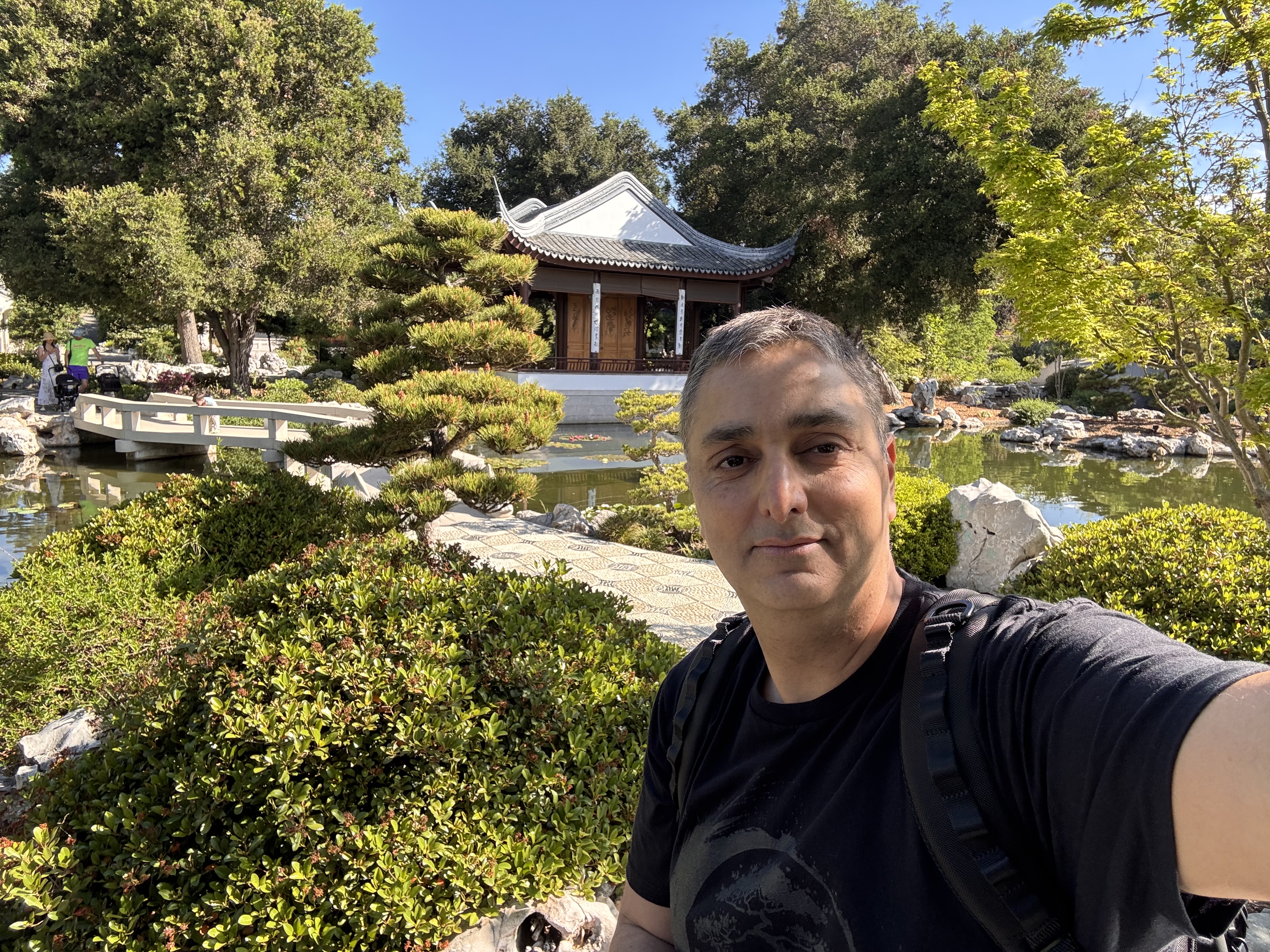
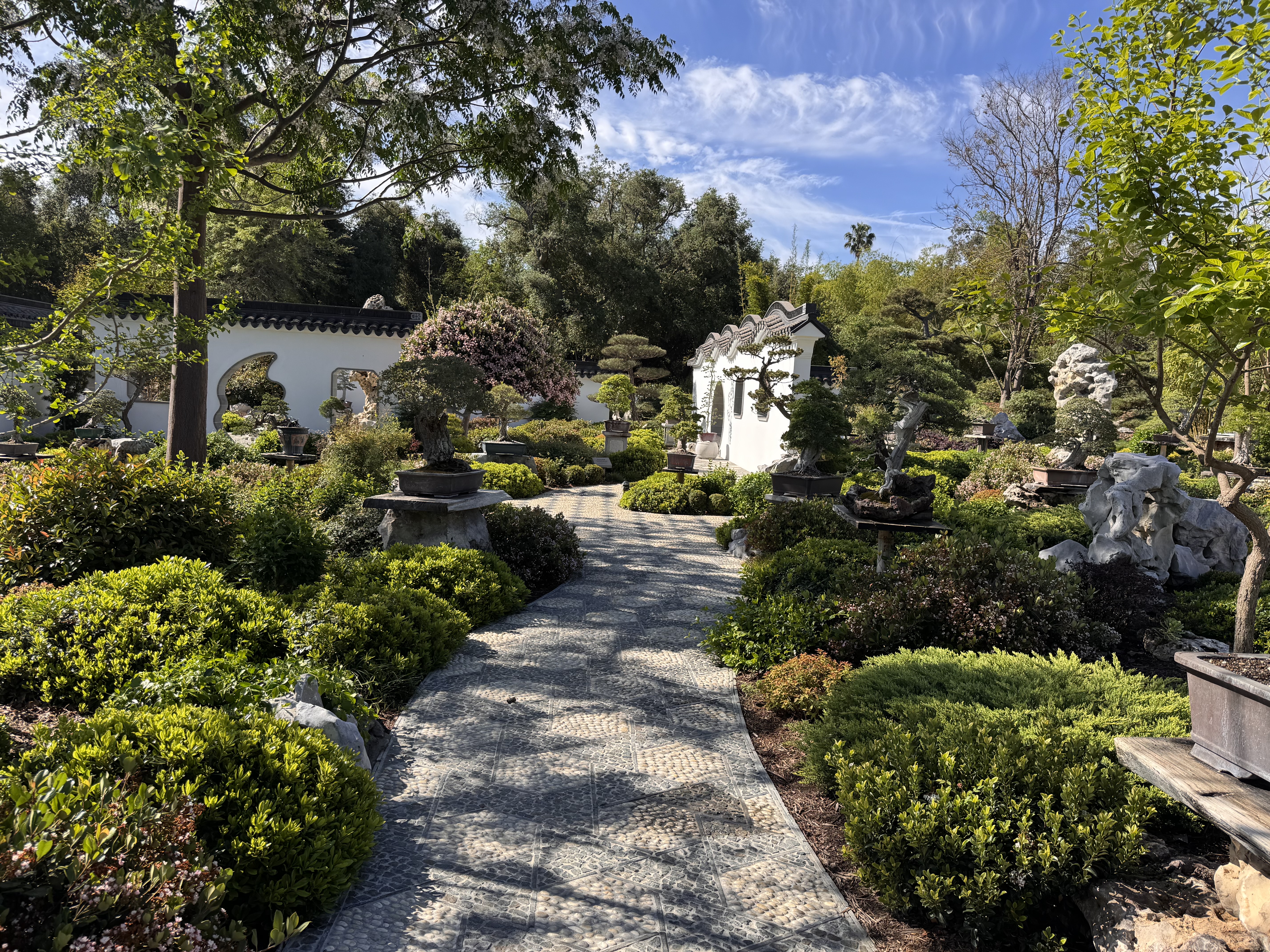
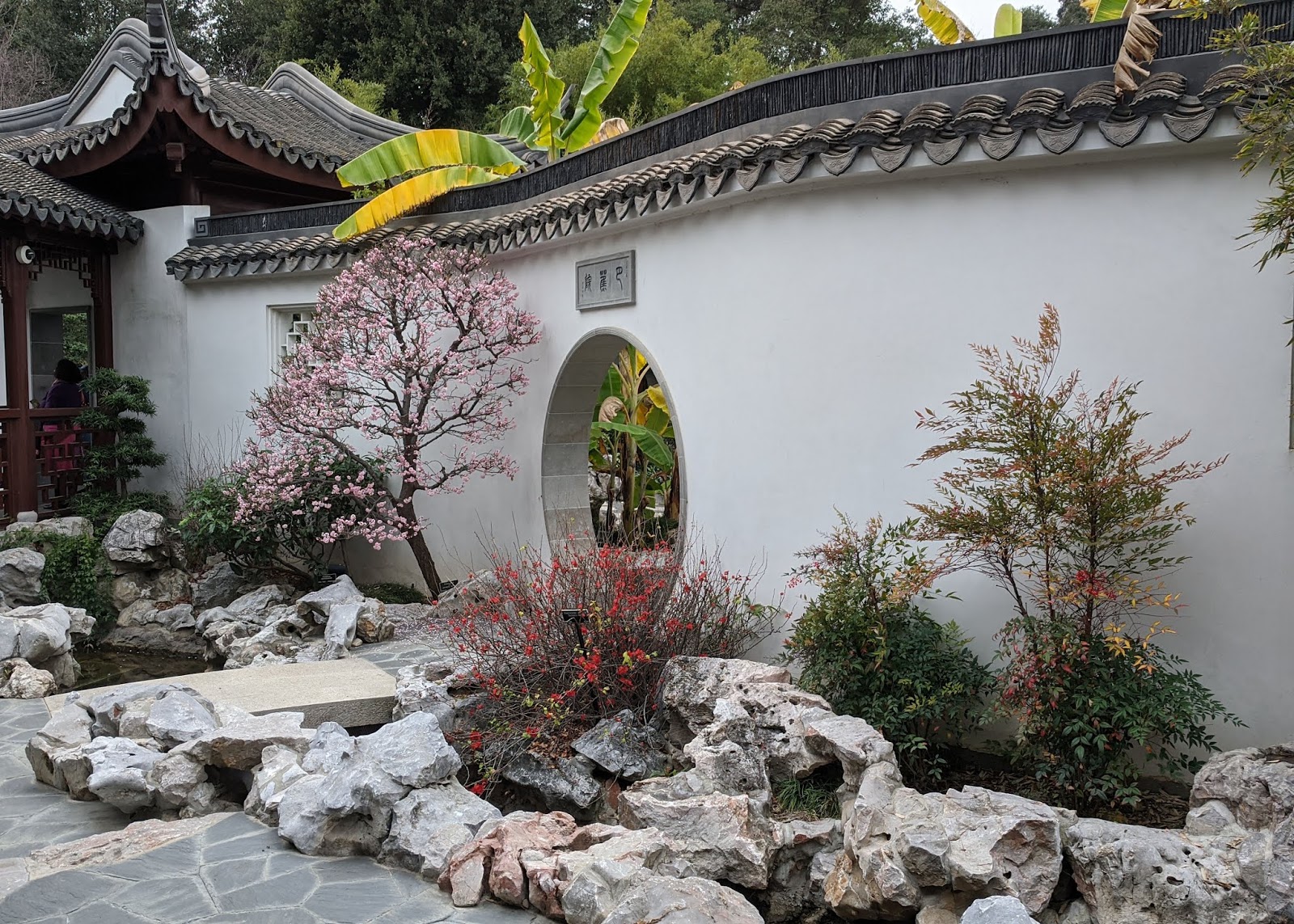
    You could spend days there and still not see it all: a desert garden, a rose garden, a Chinese garden, a Japanese garden, and more. I had exactly one focus in mind, so I made a beeline for the two gardens that matter most to a bonsai obsessive — the bonsai courts and the penjing collection in the Chinese Garden.

    Getting in before the world wakes up

    Having a special pass arranged by Daniel meant I could get into the gardens well before the general public — and that made all the difference. There’s something almost meditative about walking through a world-class garden completely alone, before the crowds, before the noise, with just the light and the quiet and the trees. I wandered slowly, in no rush to be anywhere, which is exactly the right pace for looking at bonsai properly.
    Penjing vs. Bonsai — a quick primer
    Before I describe what I saw, it’s worth pausing on a distinction that isn’t always obvious to newcomers (it wasn’t to me, a year ago). Both traditions revolve around cultivating miniature trees to evoke a larger landscape, but they come from different roots and carry a different spirit.

    Penjing: Full Scenery in a tray

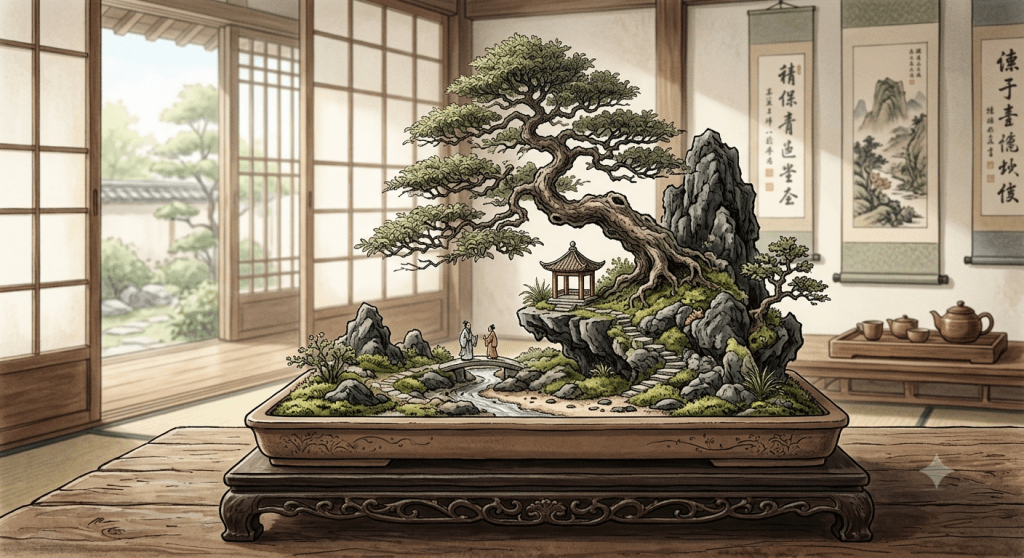
    Penjing is the older, Chinese tradition — it’s thought to have originated roughly two thousand years ago and later traveled to Japan with Buddhist monks, where over the centuries it evolved into what we now call bonsai. Penjing displays often go beyond a single tree: rocks, water, and even small figurines can be part of the composition, and the aesthetic tends to be more dramatic and wild, chasing the untamed shapes trees take in nature. Bonsai, by contrast, is generally more restrained — a single tree, a single pot, a more internal and contemplative feel. As one Huntington curator put it, penjing can be extreme where bonsai is subtle. Standing between the two collections that morning, the difference was immediately visible, not just theoretical.

    The Penjing Court

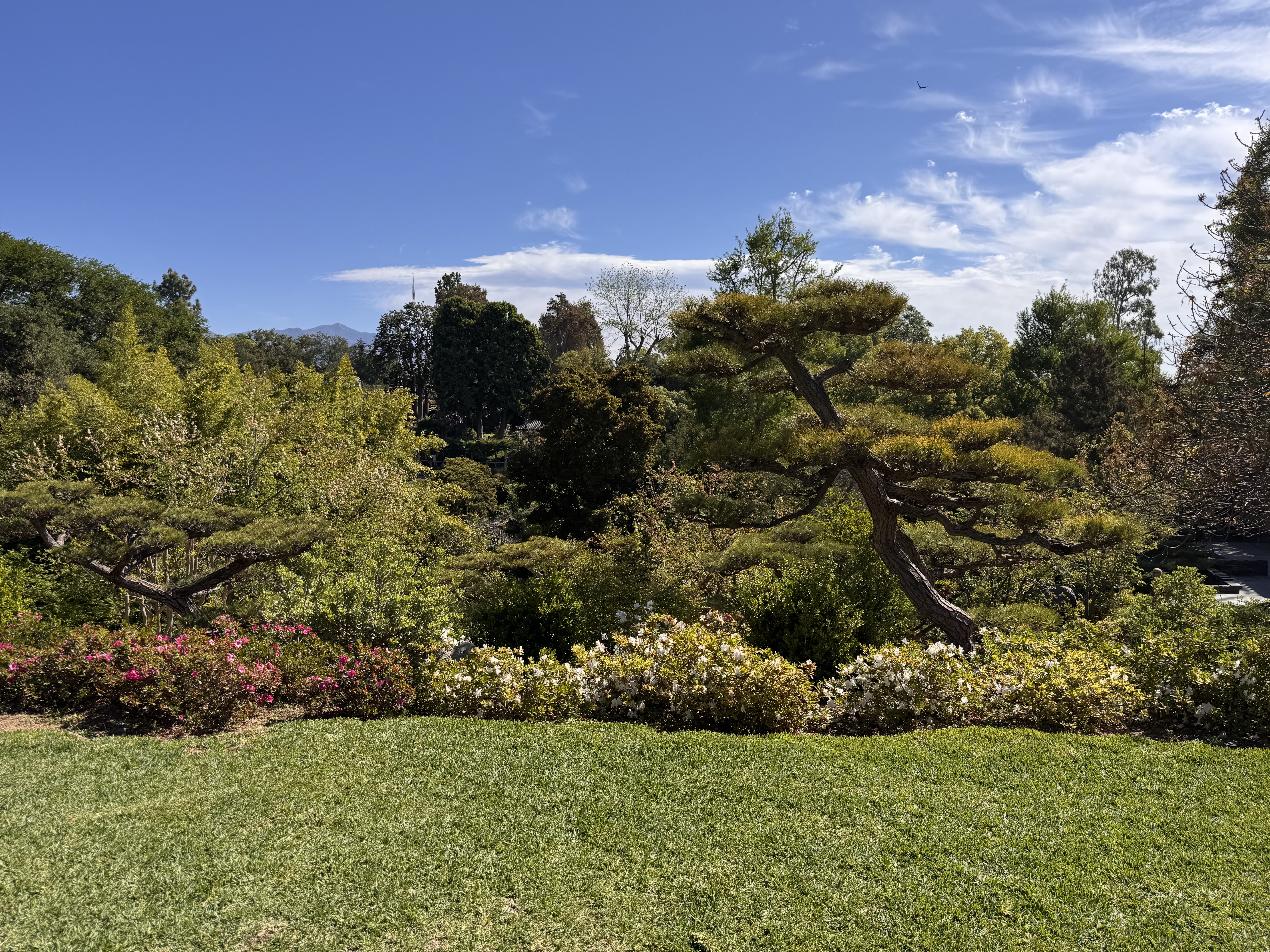
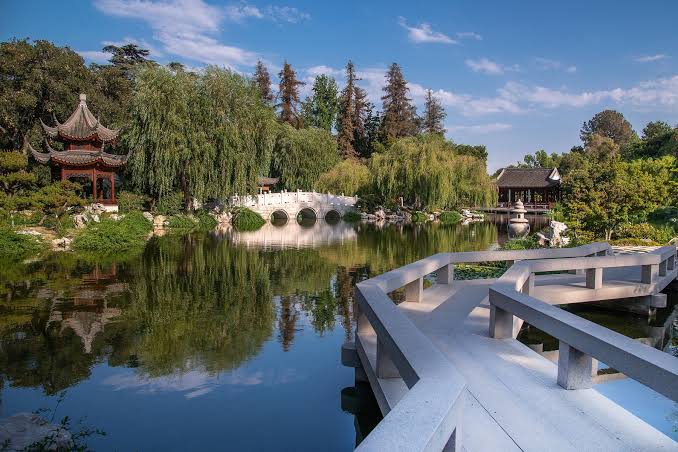
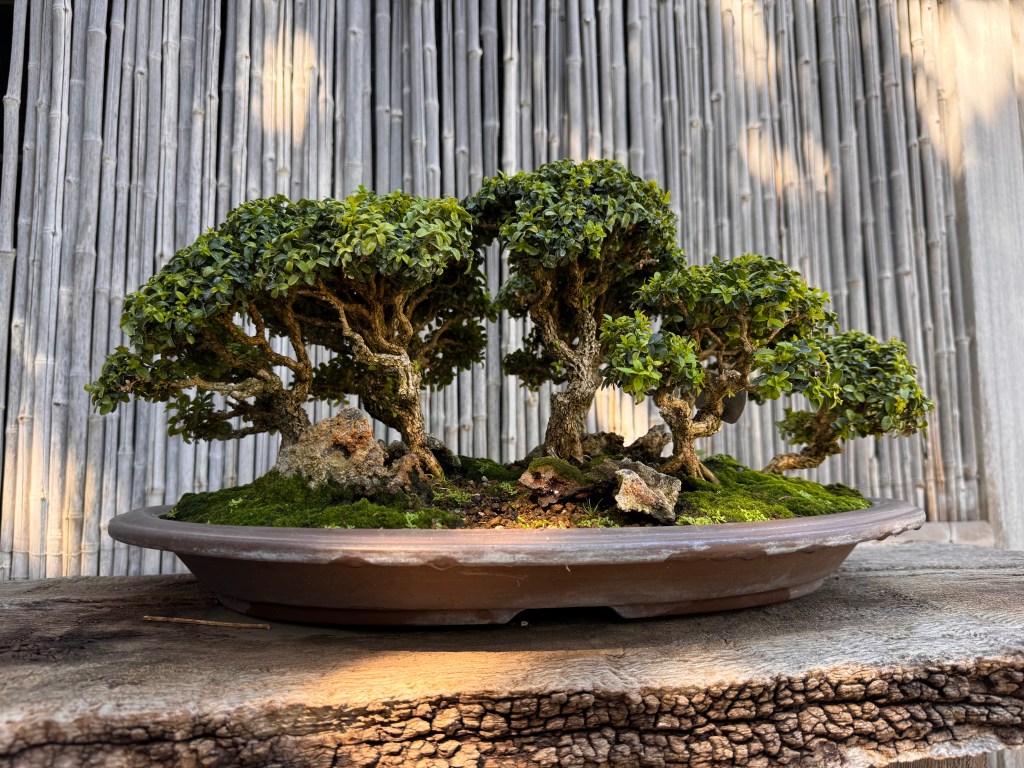
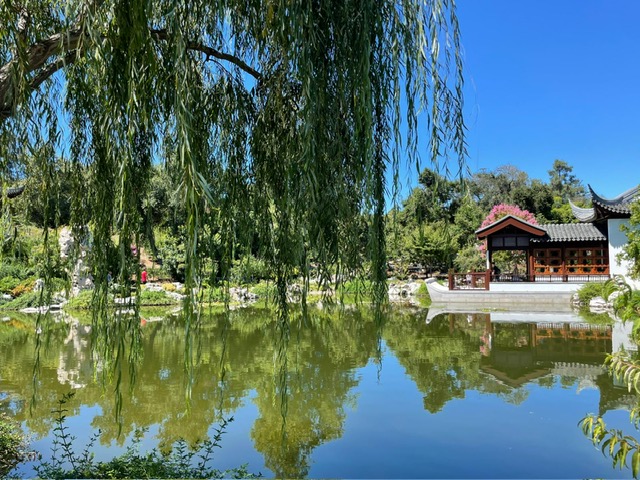
    I started in the penjing collection, and it stopped me in my tracks. Unlike bonsai, several of these magnificent pines weren’t even in pots — planted directly into the ground, shaped over what must have been decades into forms of pure sculptural perfection. Combined with the surrounding lake and landscaping, the whole scene was simply breathtaking, more like walking into a classical Chinese painting than a garden.

    Into the Japanese Bonsai Garden

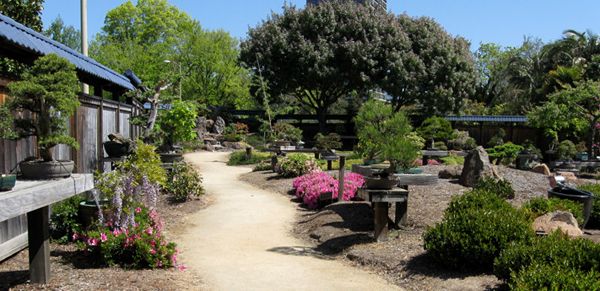
    From there I made my way to the bonsai garden proper, which is organized into two sections. I spent a long, happy stretch of time in the Classical Japanese-style courtyard — beautifully composed trees, each one placed with real intention, the kind of display that rewards slow looking rather than a quick walk-through.

    Daniel’s Nursery — and a 1,400-year-old surprise

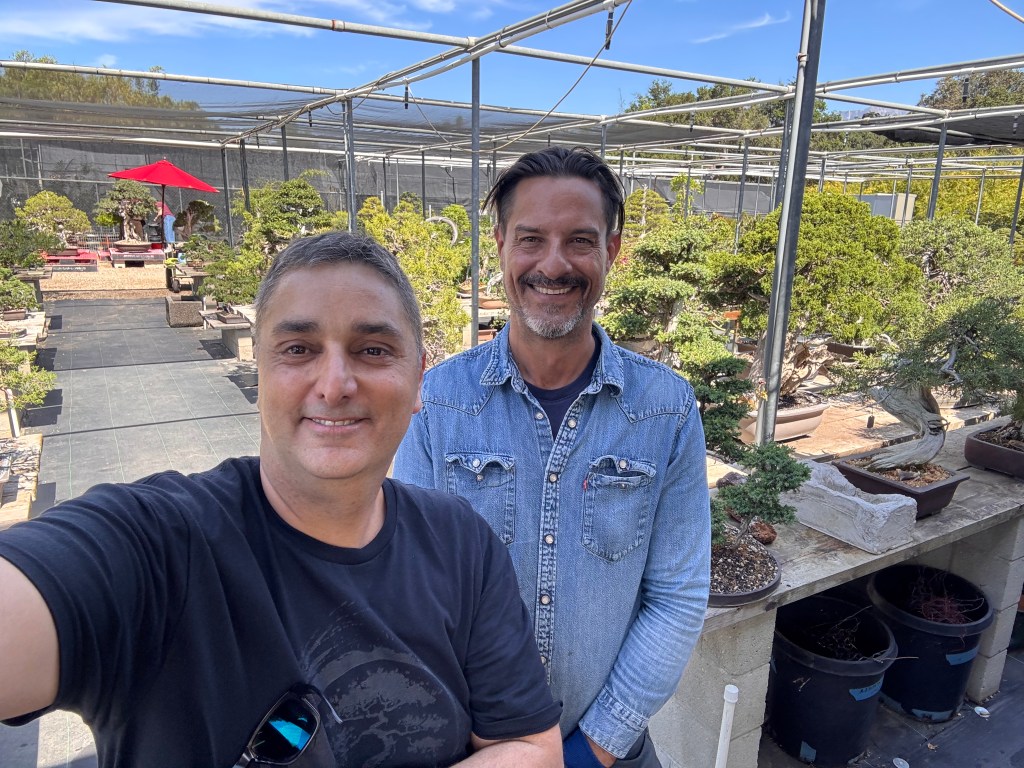
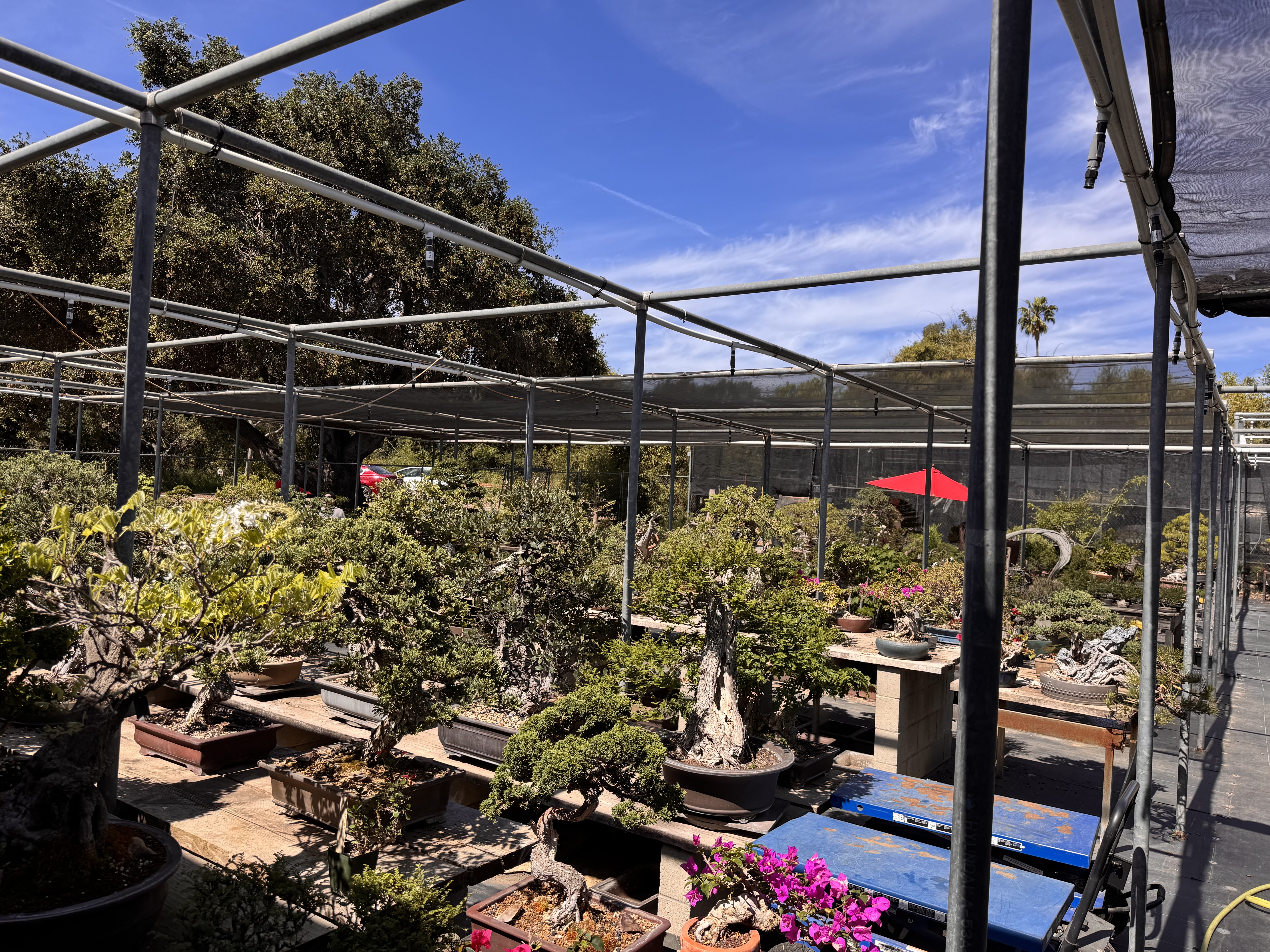
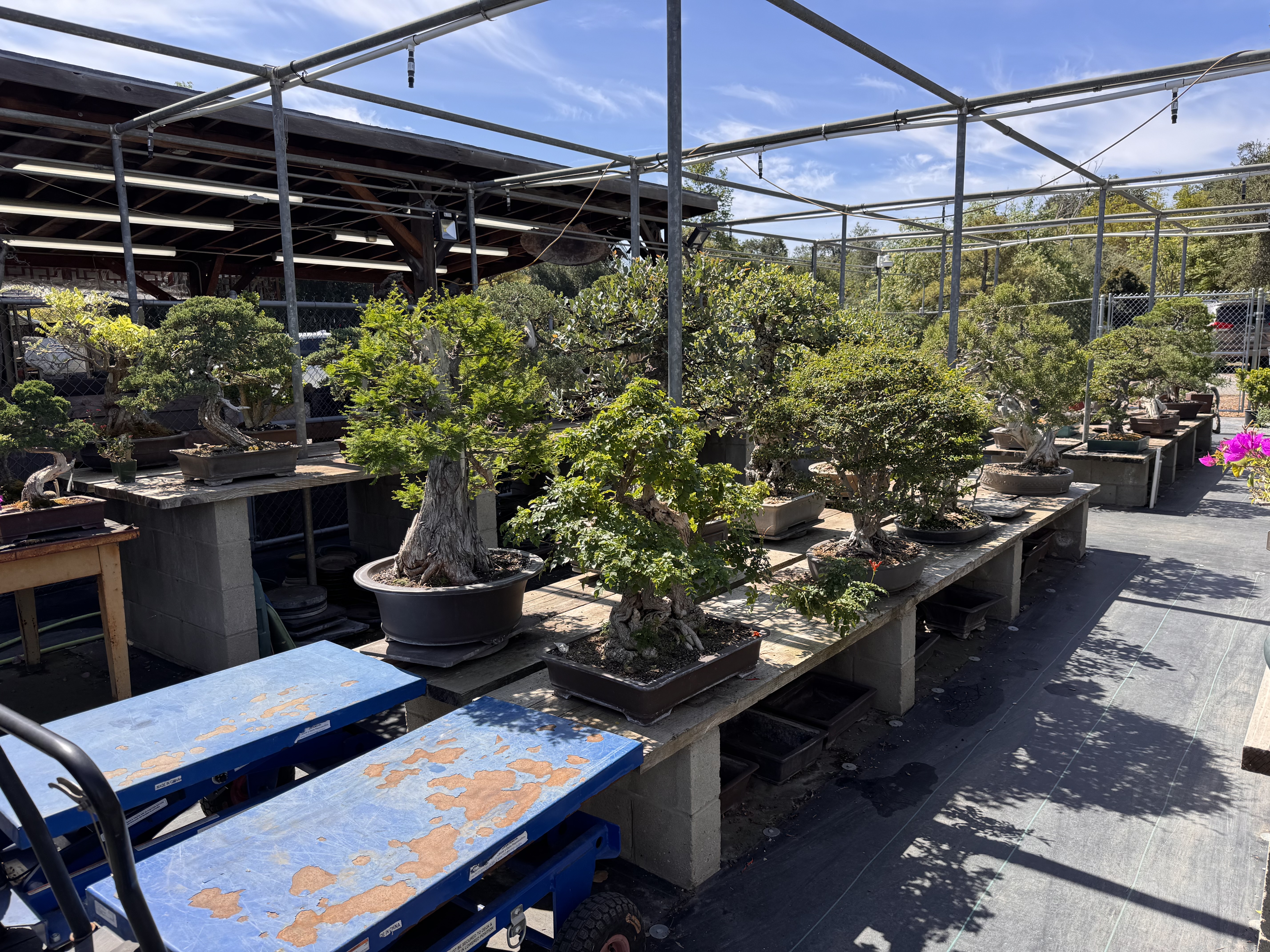
    Then came the part of the morning I’d been most looking forward to: Daniel’s nursery, behind the scenes. I want to say again how genuinely kind it was of him to take a Saturday morning to host a random bonsai enthusiast visiting from Israel — the kind of generosity that keeps showing up in this community, trip after trip.

    What surprised me most, honestly, was Daniel himself. I’d expected someone considerably older — every master I’ve met on this journey so far has decades of grey hair to show for their expertise — but Daniel is about my age. I couldn’t help but ask how he’d reached this level, this position, so young. His answer was refreshingly simple: he started bonsai when he was twelve.

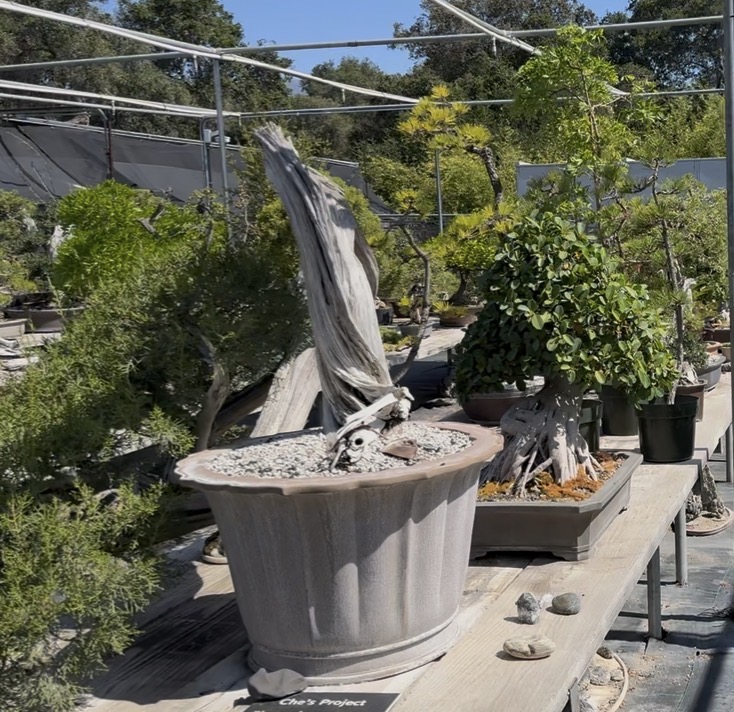
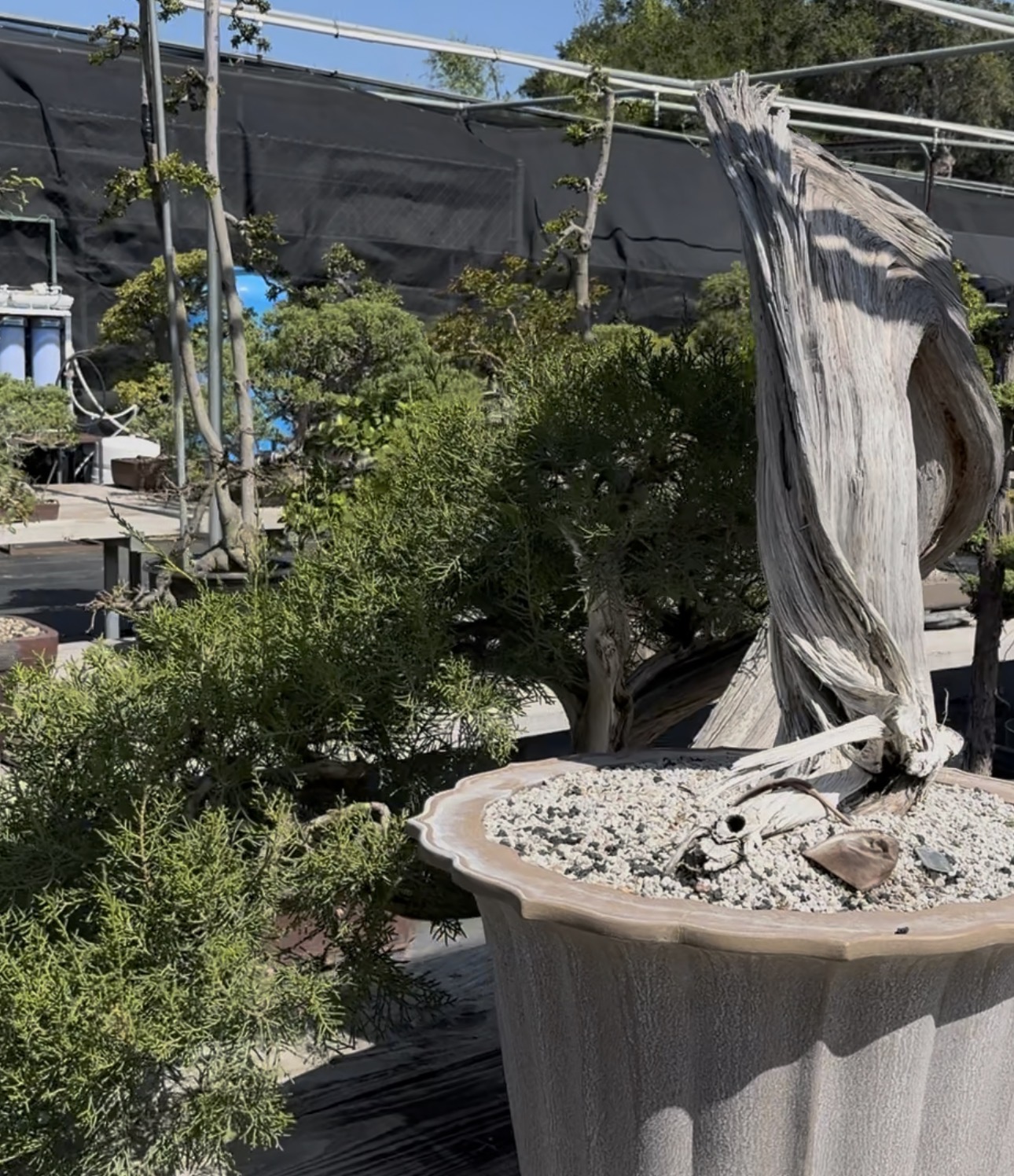
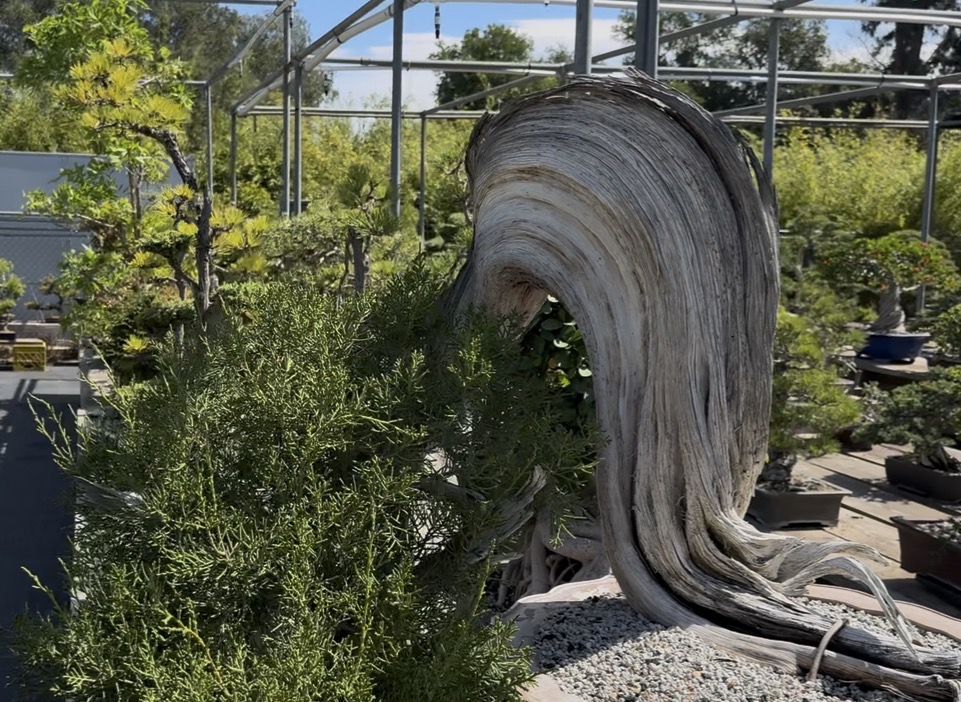
    He walked me through the nursery, tree by tree, and then showed me something that genuinely stopped me in my tracks — a juniper estimated at 1,400 years old. Fourteen centuries, alive, in a pot, in front of me. It’s one thing to read a number like that. It’s another thing entirely to stand next to the tree.

    Heading back

    I left the Huntington that morning quietly full — the kind of full that comes from beauty, not food. It’s remarkable how much a single tree, or a single conversation with someone who’s spent forty years with trees, can put the rest of your week into perspective. I headed back to the hotel to shower, change, and get my head back into meeting mode for the week ahead in Santa Monica.

    But don’t worry — this wasn’t the end of the US bonsai run. Next weekend had more in store. More on that soon.

  • Back to California: Bonsai Between Conferences

    Back to California: Bonsai Between Conferences

    I started this blog somewhere over Japan, or maybe it was in a hotel room in Kyoto at midnight, trying to get the day’s impressions down before sleep erased them. What I found, and what keeps me coming back to write, is that documenting these visits does something the visits themselves don’t — it’s a kind of double processing. First you experience the tree, the artist, the moment. Then you sit with it again on the page, and only then does it really settle into you.

    I have a few weeks now before my next trip, so before I get swept up in whatever comes next, I want to go back to April — back to California. It doesn’t feel recent. So much has happened since, Japan most of all, that April already feels like a different chapter of the year. But it deserves its place here, so let’s rewind.

    Two Conferences, Two Weekends

    April had me in California for work — RSA Conference in San Francisco, followed a week later by a Palo Alto Networks event in LA. Two cities, two purposes, and in between them, two free weekends.

    San Francisco is not new territory for me. I spent fifteen years working for RSA before joining Palo Alto Networks, so I’ve lost count of how many times I’ve landed at SFO. I’ve always loved this city — the fog, the hills, the energy of it — and every visit over the years I tried to see a different side: the city itself, the Bay, the wine country in Napa, even Highway 1 running south along the coast. What I never knew, all those years, was that the Bay Area is quietly one of the great bonsai capitals of the world outside Japan. Some of the finest bonsai artists and collections anywhere are sitting right there, a short drive from conference hotels I’d stayed in a dozen times without a clue.

    And then I met Jonas!!!

    This is where I have to thank my teacher, Shai. I mentioned to him I’d have a free weekend in the Bay Area, and within days he’d put me in touch with Jonas Dupuich.

    If you’re in the bonsai world, you know the name. Jonas is the person behind Bonsai Tonight, one of the most respected bonsai blogs and teaching resources anywhere, author of The Little Book of Bonsai, and co-founder of the Pacific Bonsai Expo, the biannual show that alternates between the east and west coasts of the US. He’s also, everyone will tell you, simply one of the kindest people in the community — patient, generous, completely without ego about a body of knowledge built over decades. I understood why within about five minutes of meeting him. He wrote back to my message almost immediately and invited me straight to his home to see his collection.

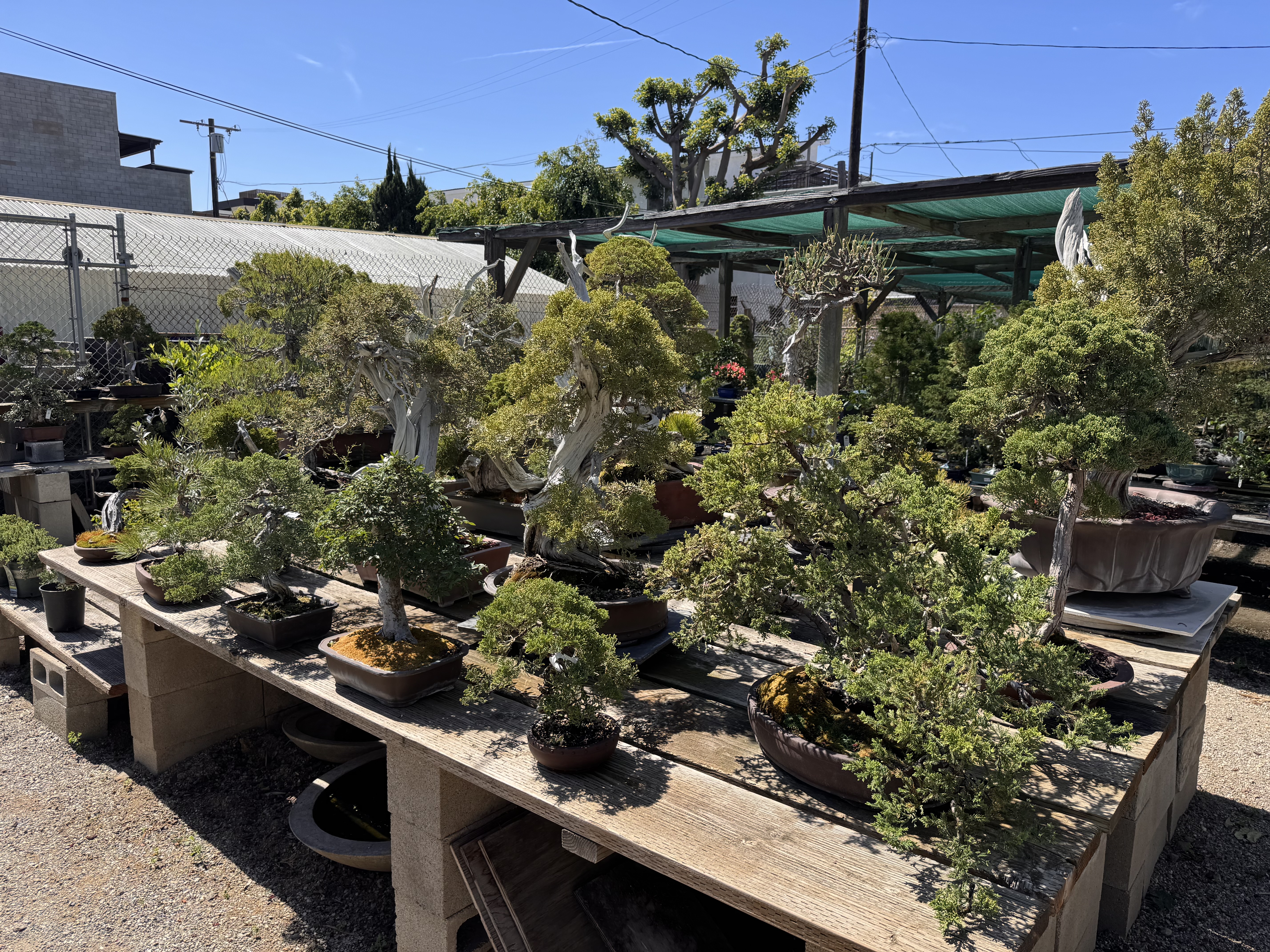
    I won’t share the location, and I won’t share photographs of the garden itself. Trees like the ones Jonas has spent decades developing are, put simply, worth a great deal, and where they live is something the community protects carefully. But trust me when I say: it was extraordinary.

    We spent a few hours together in his workshop, and at some point he let me put my hands on some of his best trees — trees I recognized instantly from books and films, trees I never imagined I’d touch, let alone work on. My hands were actually shaking. I’m still such a beginner in the arc of this practice, and here he was letting me near material that represented years, sometimes decades, of someone else’s patience. That kind of trust from a master is its own kind of teaching.

    While we worked on a couple of pines, we talked — about his path into bonsai, what a full-time life in this art actually looks like, and about the Pacific Bonsai Expo, which he co-founded and helps run. I need to make it a point to attend one day, wherever it lands next.

    Lake Merritt, in the Afternoon

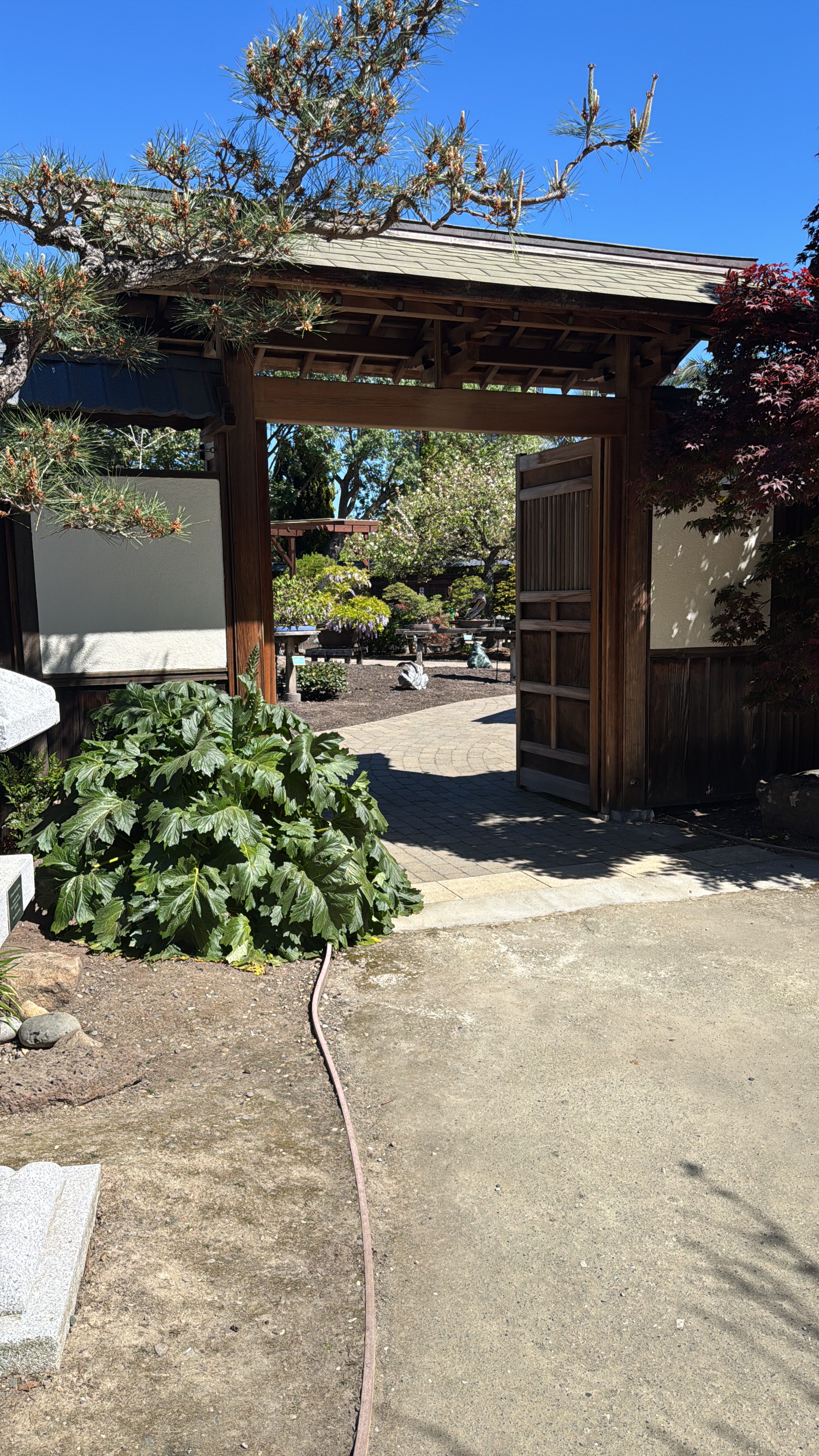
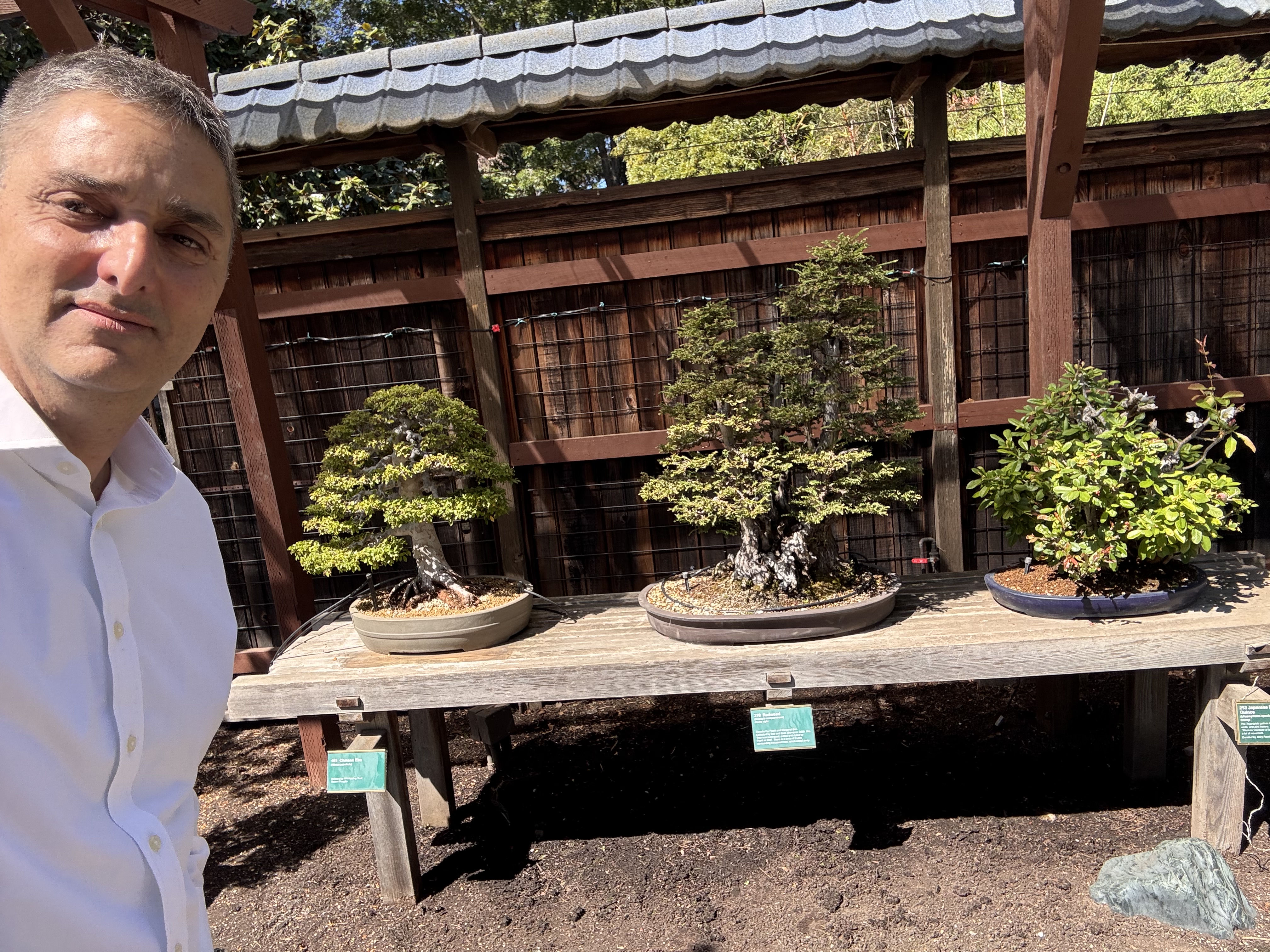
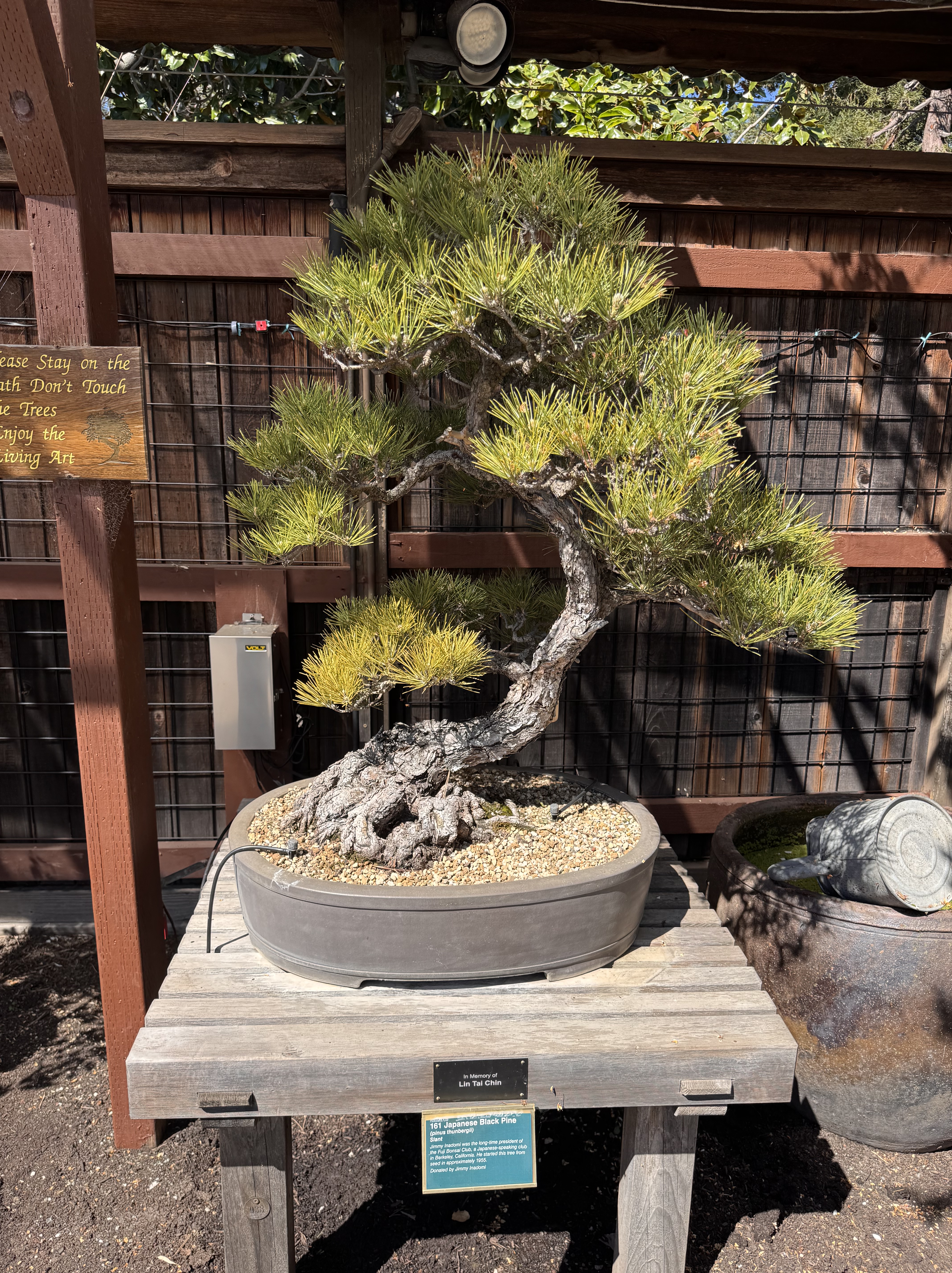
    Jonas sent me, for the second half of the day, to the Bonsai Garden at Lake Merritt in Oakland — and I’m glad he did. It’s the only major all-volunteer bonsai garden in the country, built and maintained entirely by volunteers from across the Bay Area. It was first conceived in the late 1970s by horticulturalists Toichi Domoto and Bill Hashimoto, and finally opened in 1999. The collection includes some genuinely historic trees — among them a Daimyo Oak said to have been presented by the Japanese government in 1863, during Lincoln’s presidency, and a pine that was exhibited at the 1915 Panama-Pacific International Exposition in San Francisco. The garden has a sister collection in Southern California at the Huntington, both part of the Golden State Bonsai Federation.

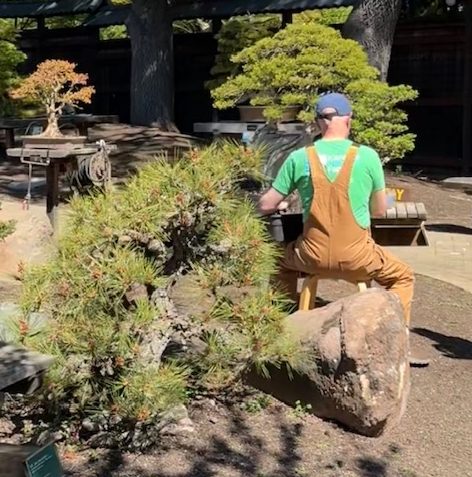
    What stayed with me most, though, wasn’t any single tree — it was the volunteers. Watching them work quietly on the collection, some clearly still learning themselves, absorbing technique from more experienced hands nearby.

    There’s something very grounding about a museum-quality collection that exists purely because a community decided to show up for it, week after week, for free. I walked through slowly, taking it in, trying to watch the way the volunteer-artists watched the trees.

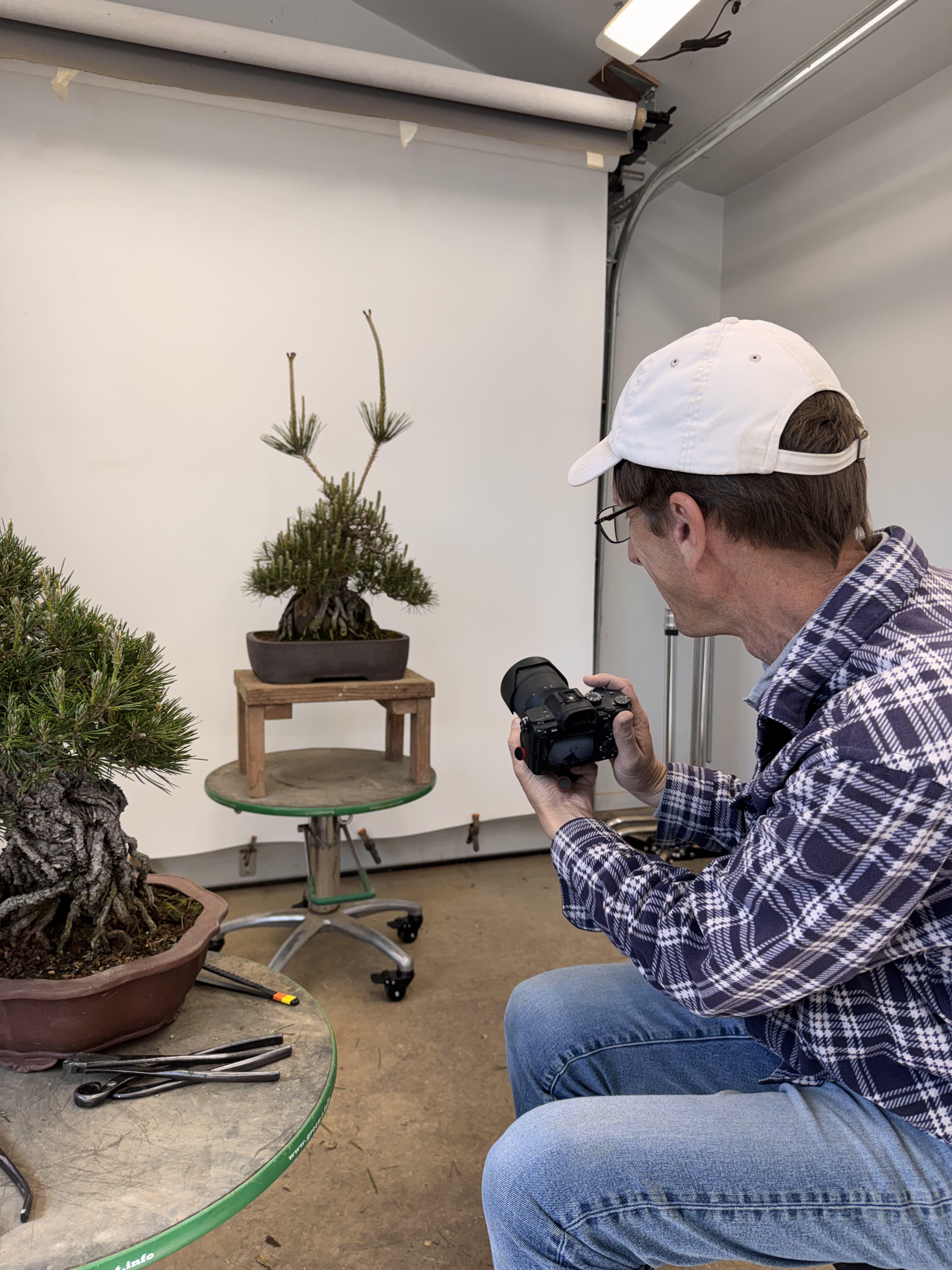
    One Last Stop: Eric Schrader’s Cork Bark Elm

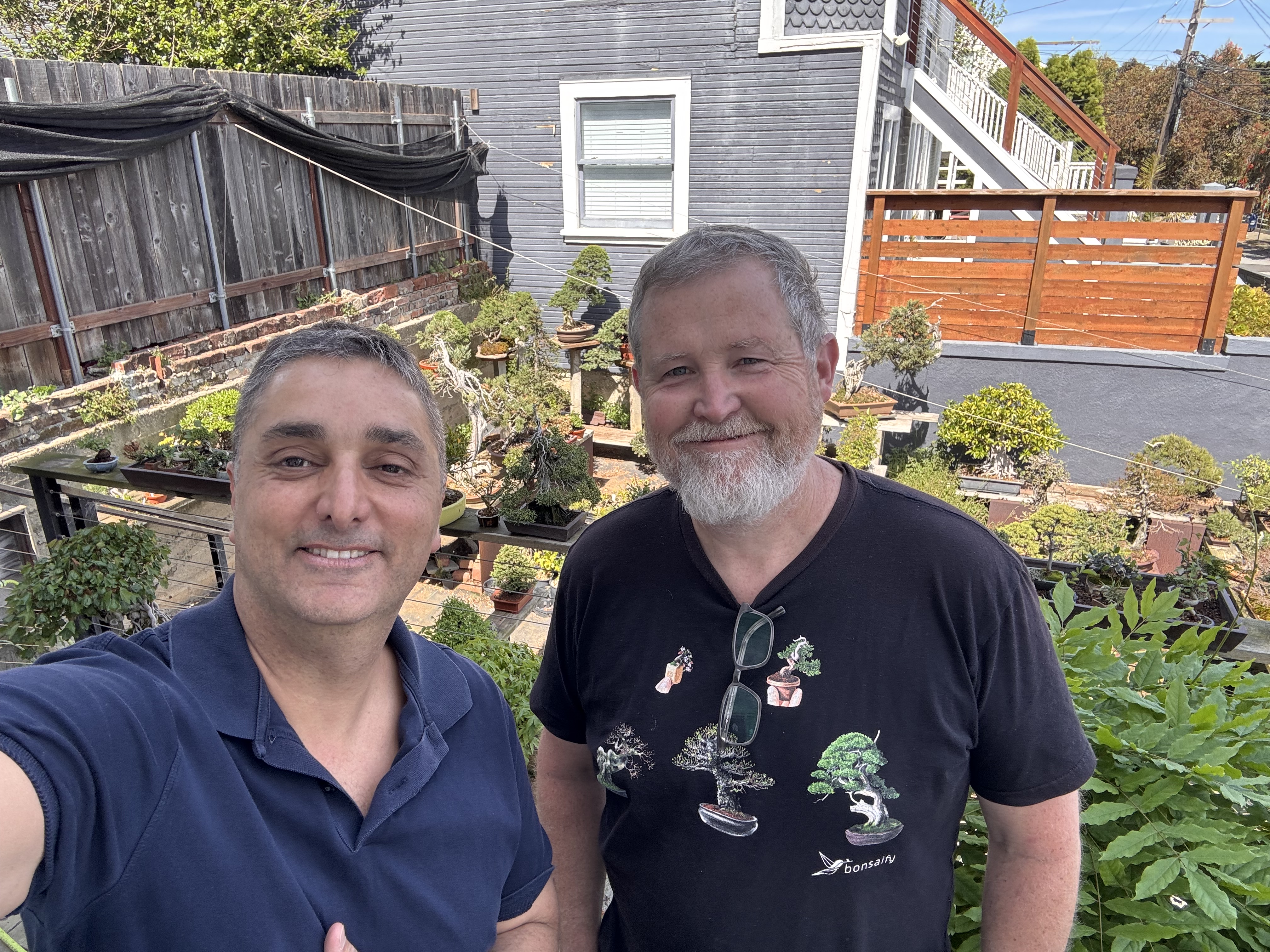
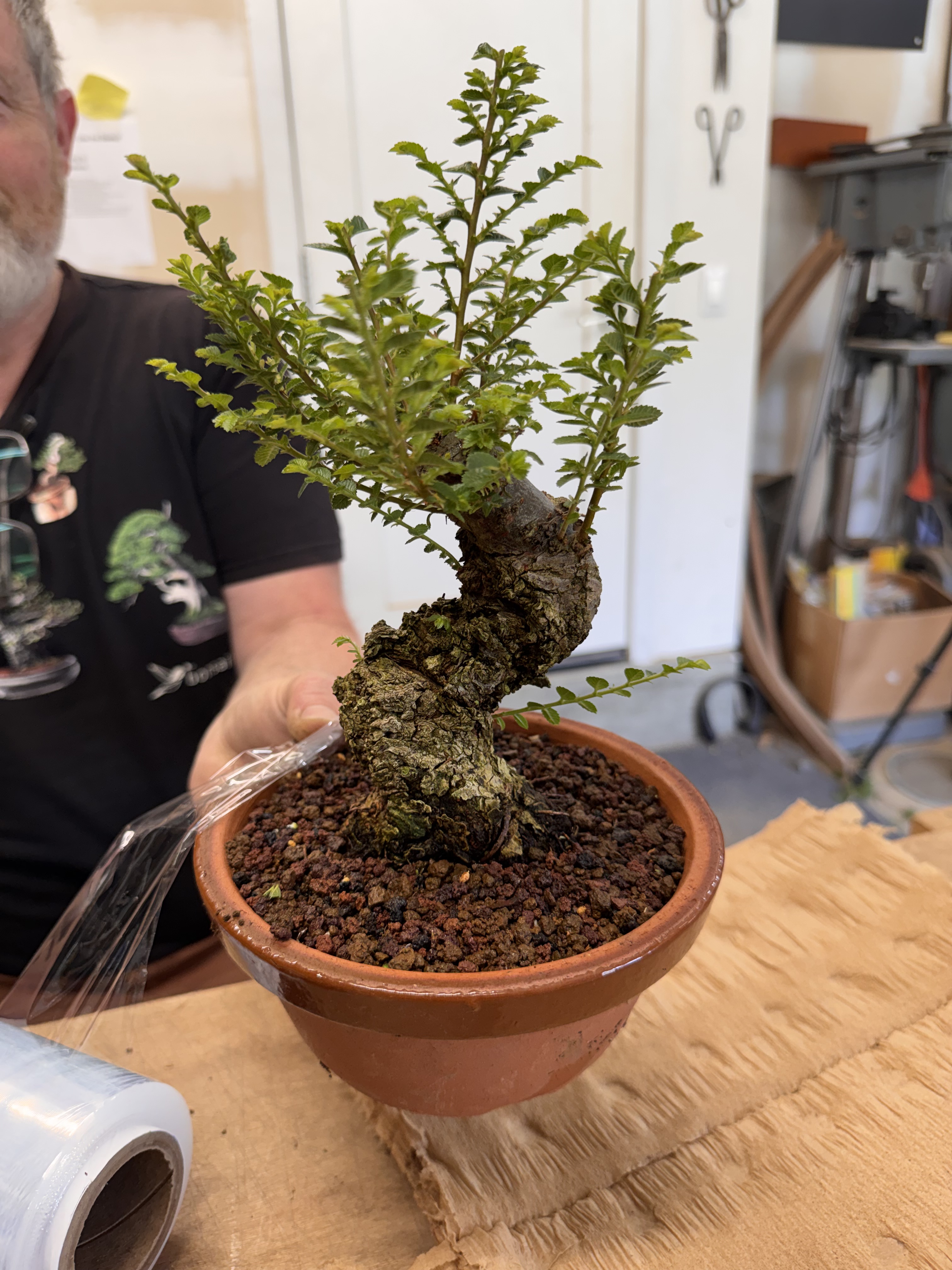
    Before I flew back out that week, Jonas connected me with one more person — Eric Schrader, who runs Bonsaify and is well known in the community for his work and writing on bonsai design. Eric had a few trees I was especially curious about, and one in particular stopped me: a cork bark elm.

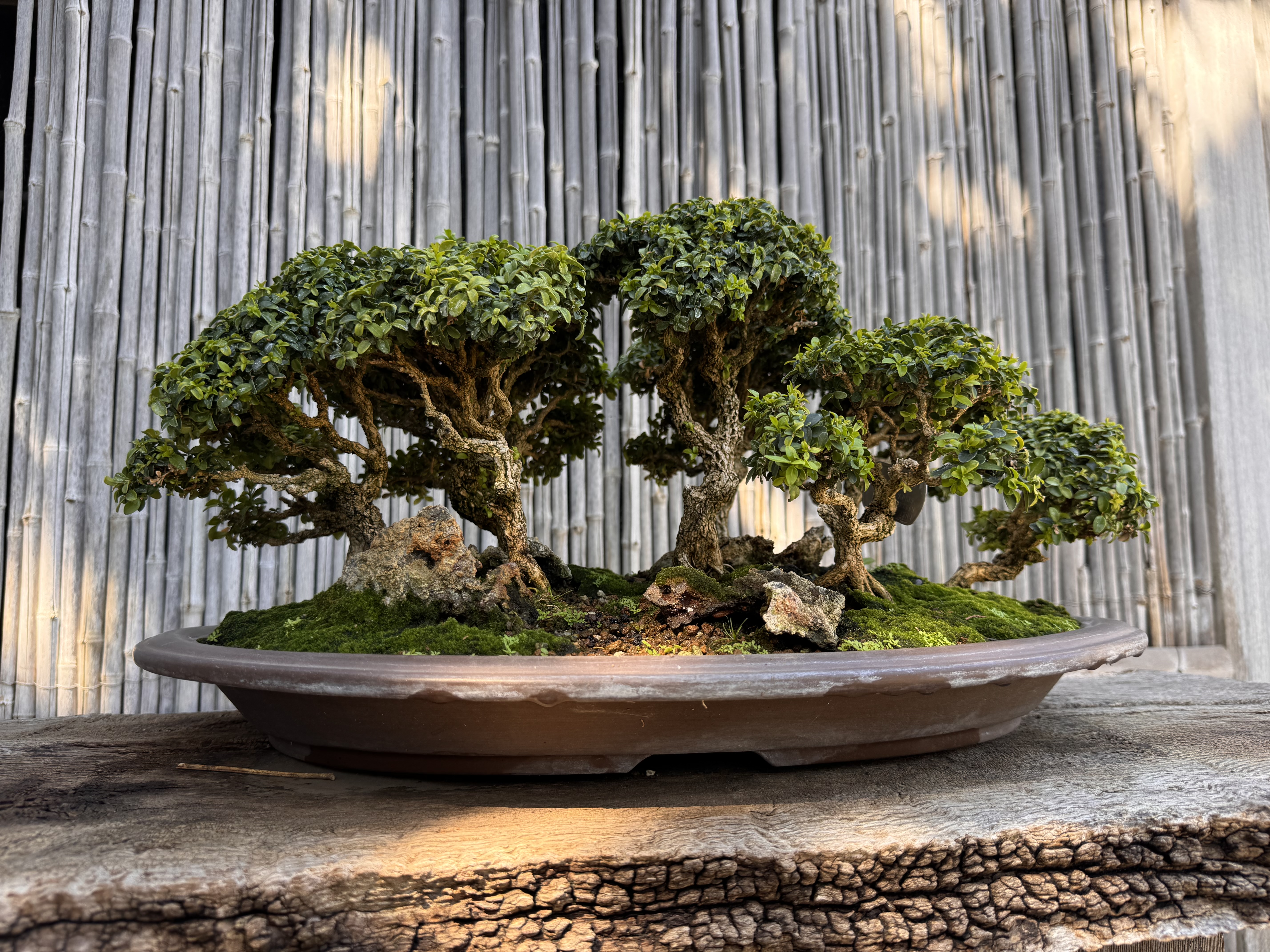
    We grow plenty of elms in Israel — they do beautifully in our climate — but I’d never spent real time with the cork bark variety in person. The bark itself is almost sculptural, deeply ridged and textured in a way that gives the whole tree a sense of real age, even on younger material. It’s one of those details that photographs never quite do justice to; you have to run a finger along it to understand what makes it special.

    That was the California chapter — or at least the first half of it. The next post picks up a week later, in Los Angeles, with a visit to the Huntington Gardens.