There’s something quietly thrilling about a pre-dawn departure from Tokyo. The Shinkansen south earns its reputation – Mount Fuji sliding past the window like it’s posing, and you forgive it completely for being such a cliché because it really is that beautiful. Ninety minutes later, Nagoya.
Aichi-en: A Garden 130 Years in the Making
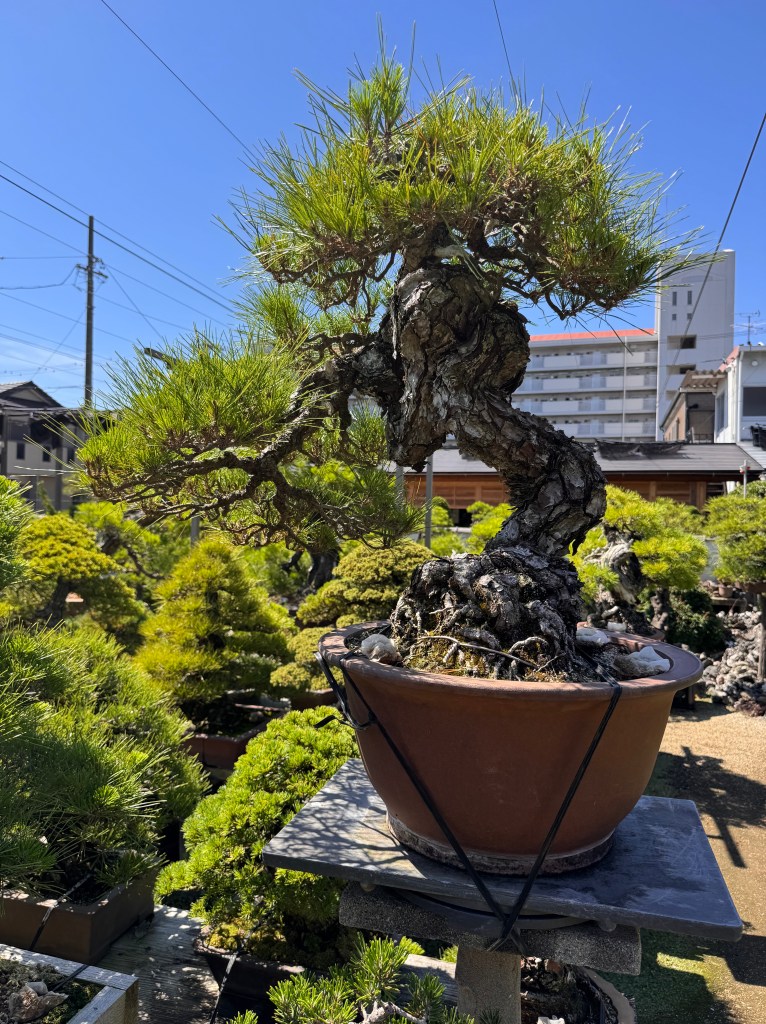
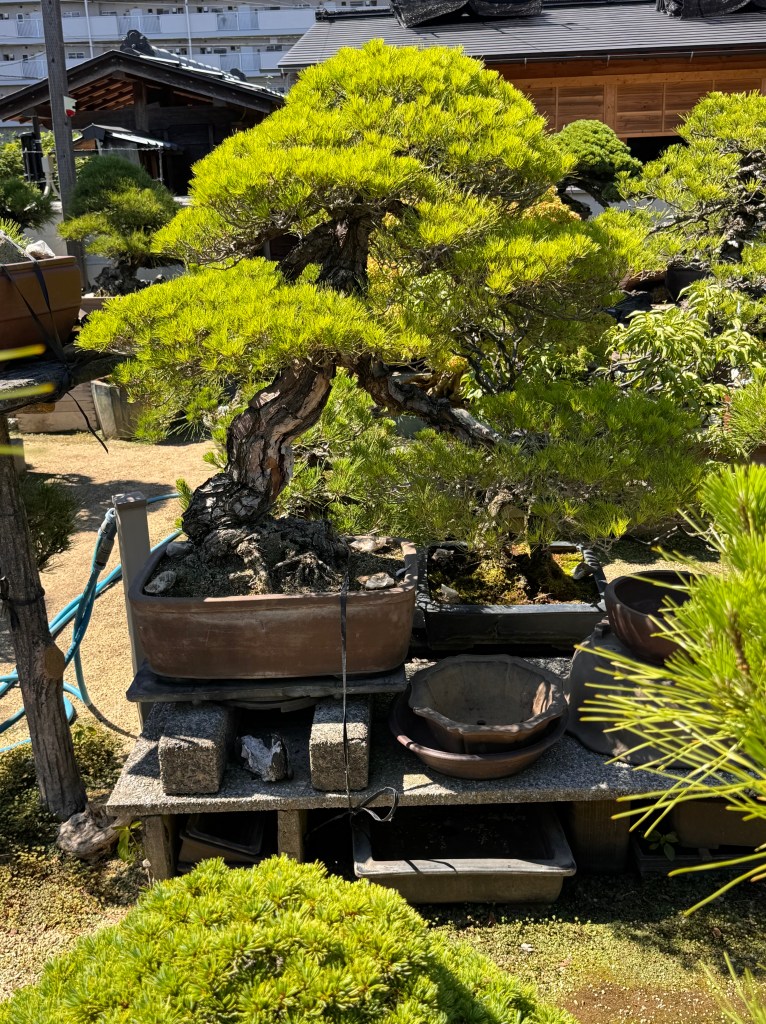
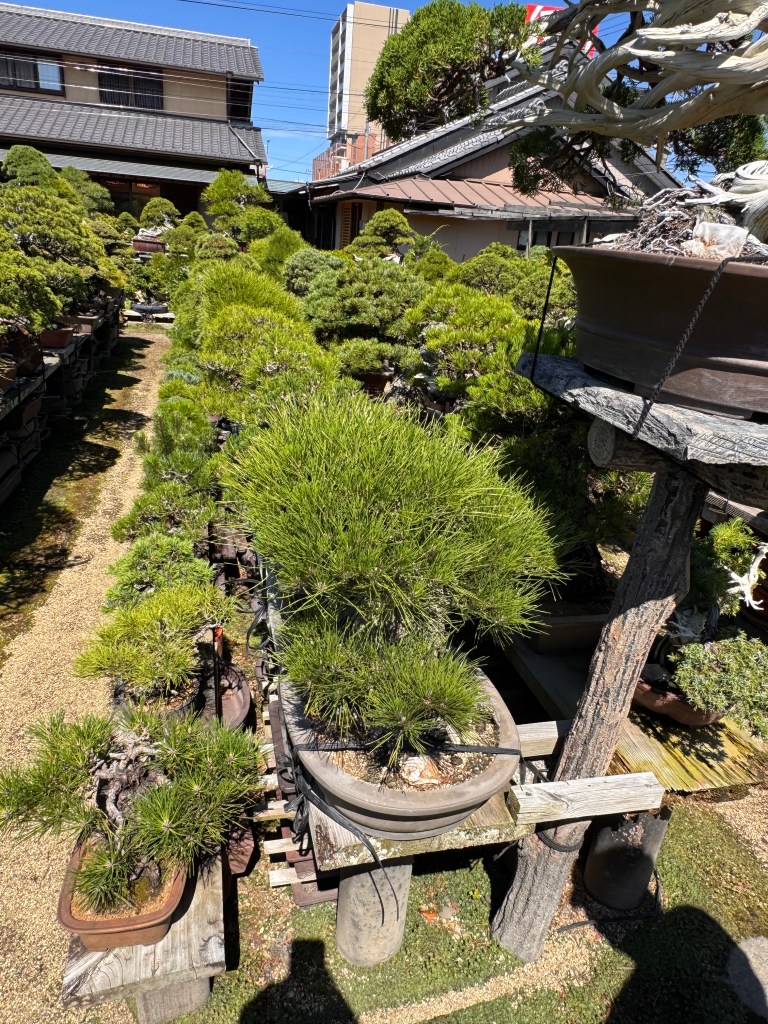
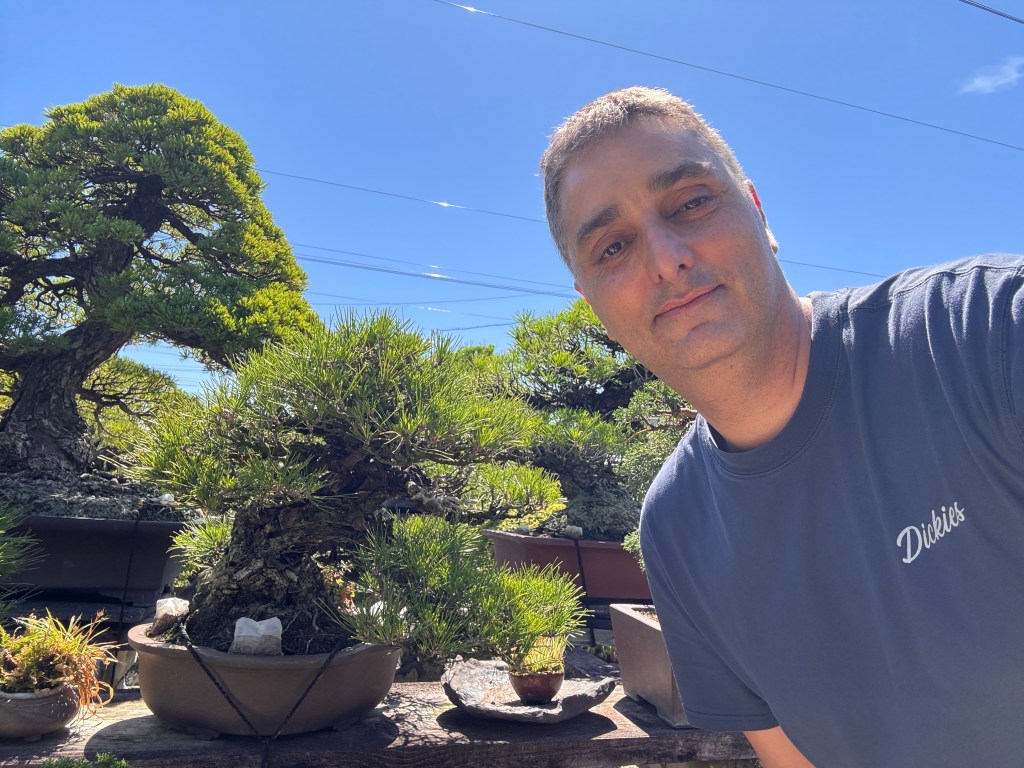
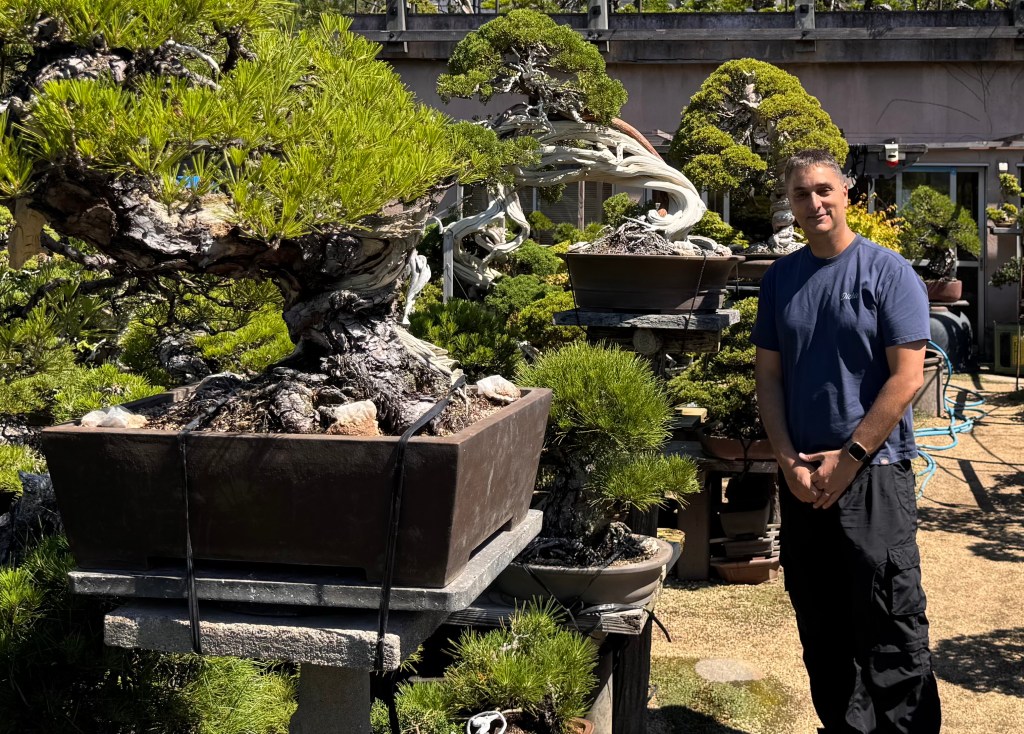
Nagoya doesn’t always make the bonsai pilgrim’s shortlist – Omiya gets the glory, Kyoto gets the mystique. But for pine bonsai at the highest level, Nagoya has Aichi-en (愛知園).
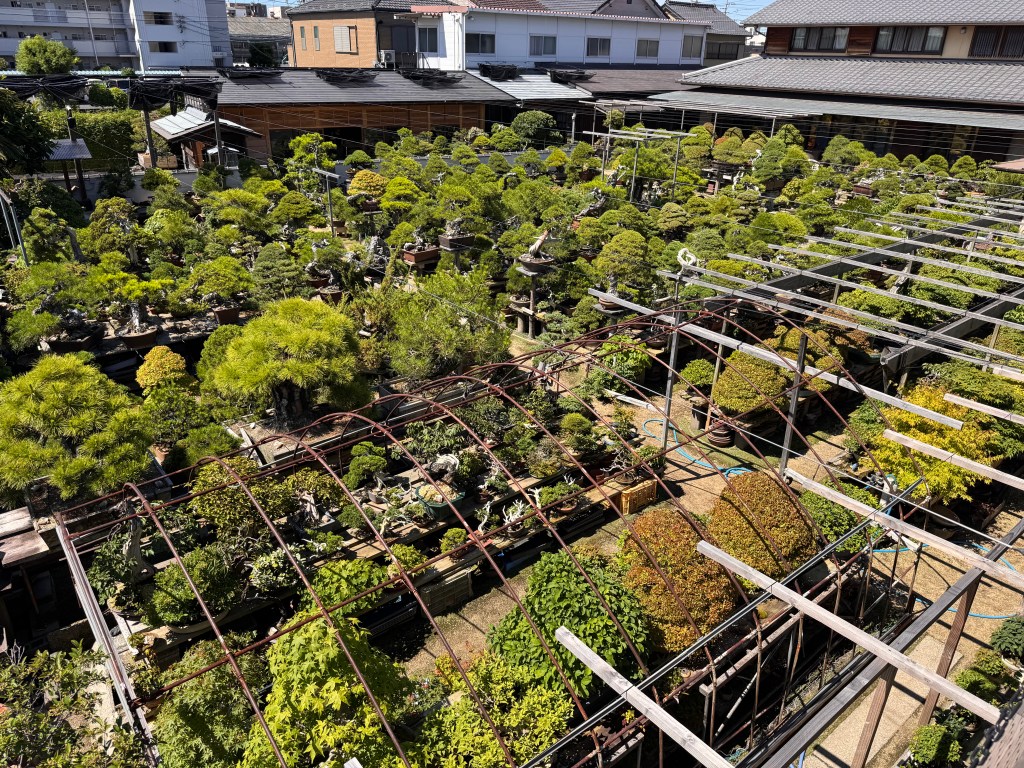
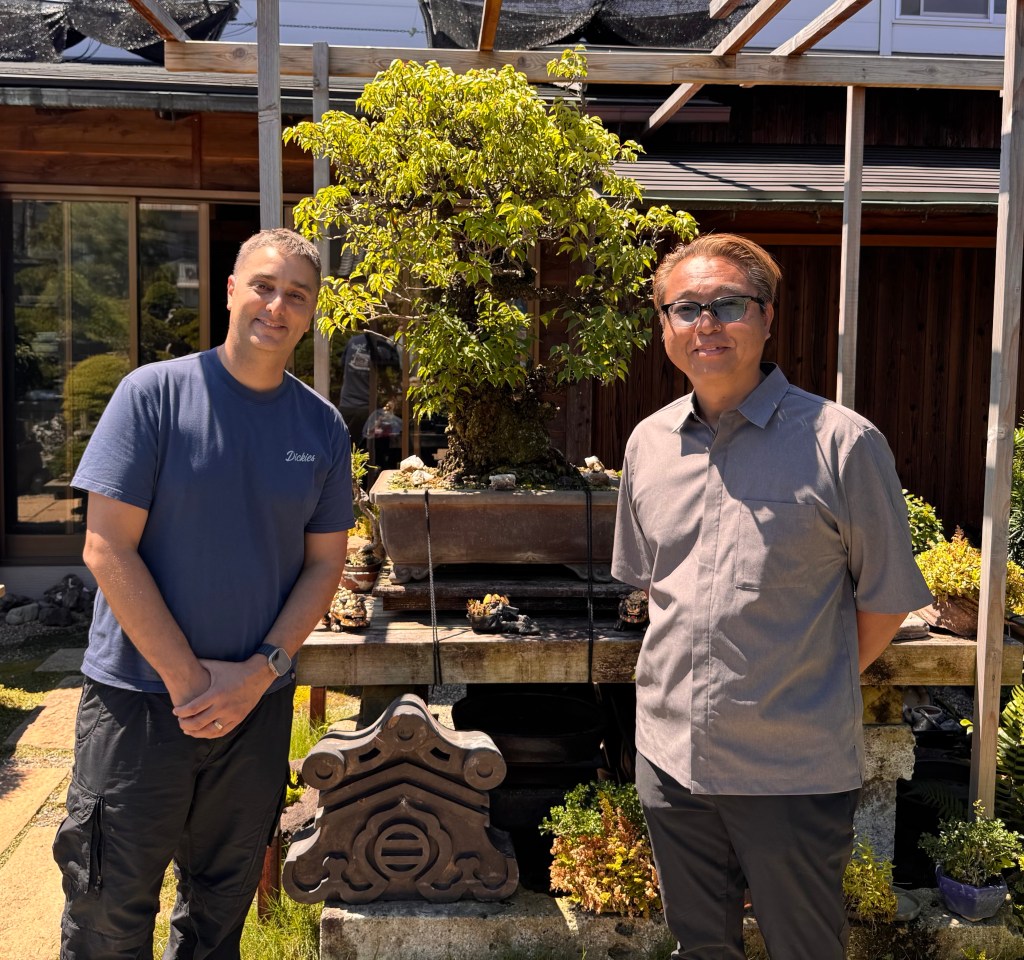
I’d reached out in advance, and it was Andrej who came back to me – a young apprentice from Slovakia, now in his fourth year training under Junichiro Tanaka. He sorted out the visit and was waiting at the garden when I arrived. The master came later that morning, so my introduction to Aichi-en was entirely through Andrej – and I couldn’t have asked for a better guide.
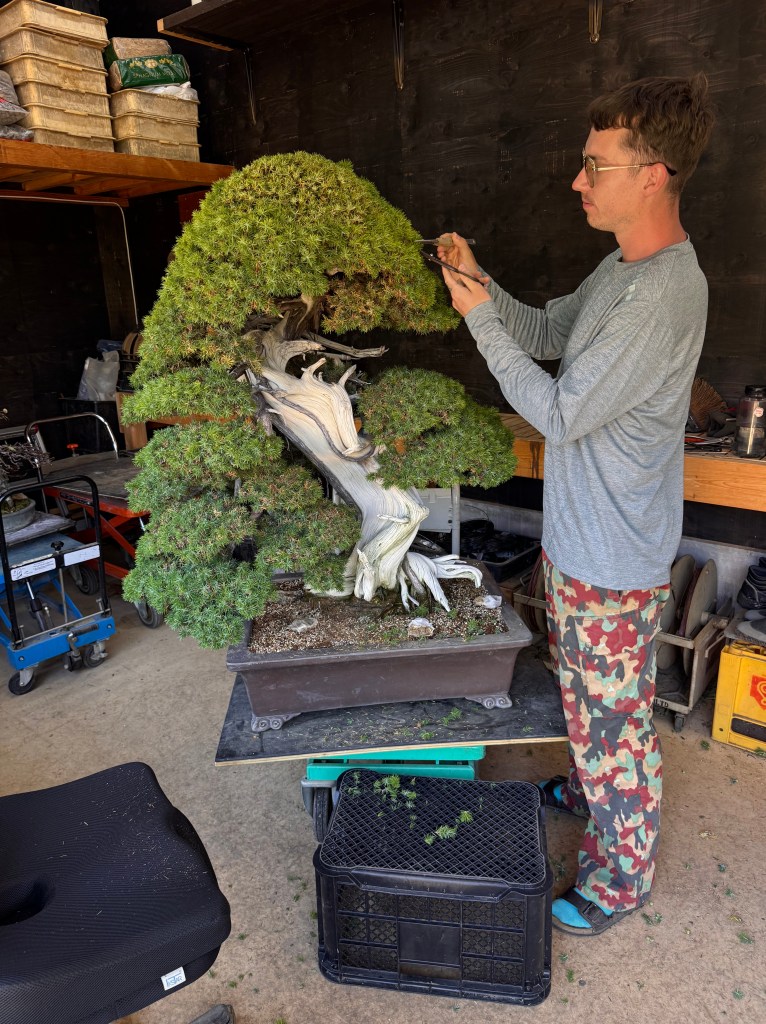
Four years in, sharp and ambitious, clearly devoted to the craft. He said something that stayed with me: sometimes it’s better to arrive with no bonsai experience at all. Starting from scratch is easier than unlearning years of bad habits. Real wisdom from someone who crossed the world to learn this properly.
Andrej walked me through the history of the garden – and straight to its most legendary resident.
Founded in 1896 by Sukijiro Tanaka, a farmer back then who planted a thousand apricot trees. One of them looked different. Something in its form caught Sukijiro’s eye and he dug it up and potted it. A week later, a tsunami hit the region and destroyed all 999 trees still in the ground. The odd one – the potted one – survived!!
That tree is still alive today. One hundred and thirty years old. Still standing in the garden it helped create.
It survived a second catastrophe too. During World War II, Nagoya was heavily bombed. Much of the garden was destroyed. When the smoke cleared, the apricot tree was still there. Twice the world tried to take it. Twice it refused.
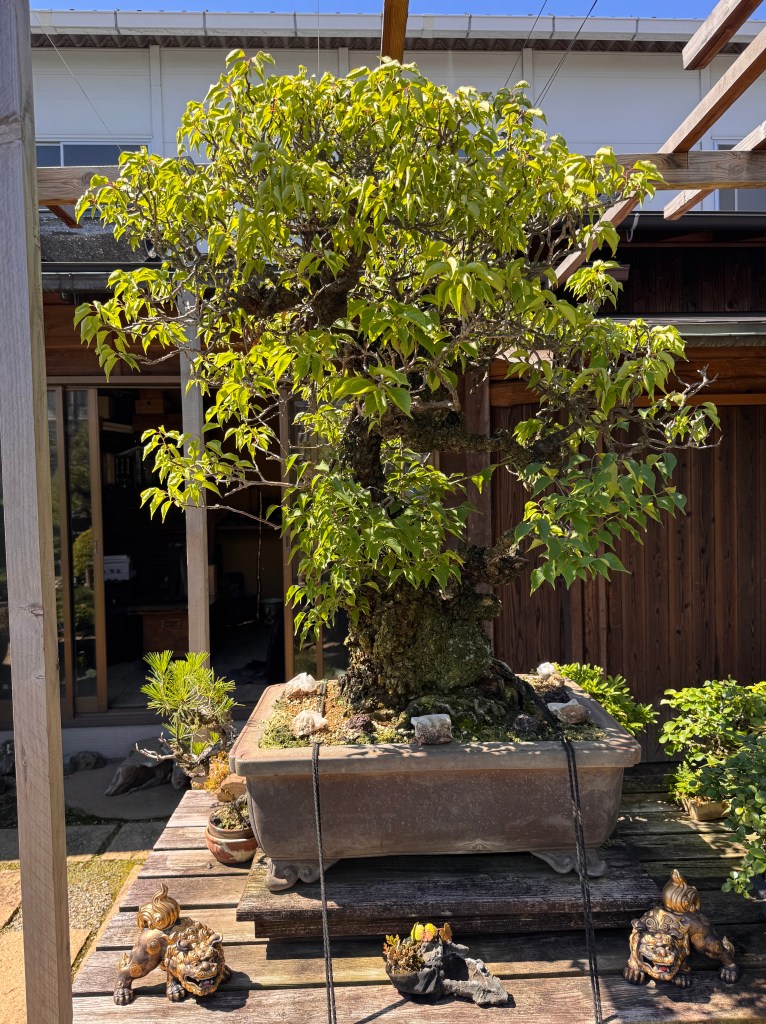
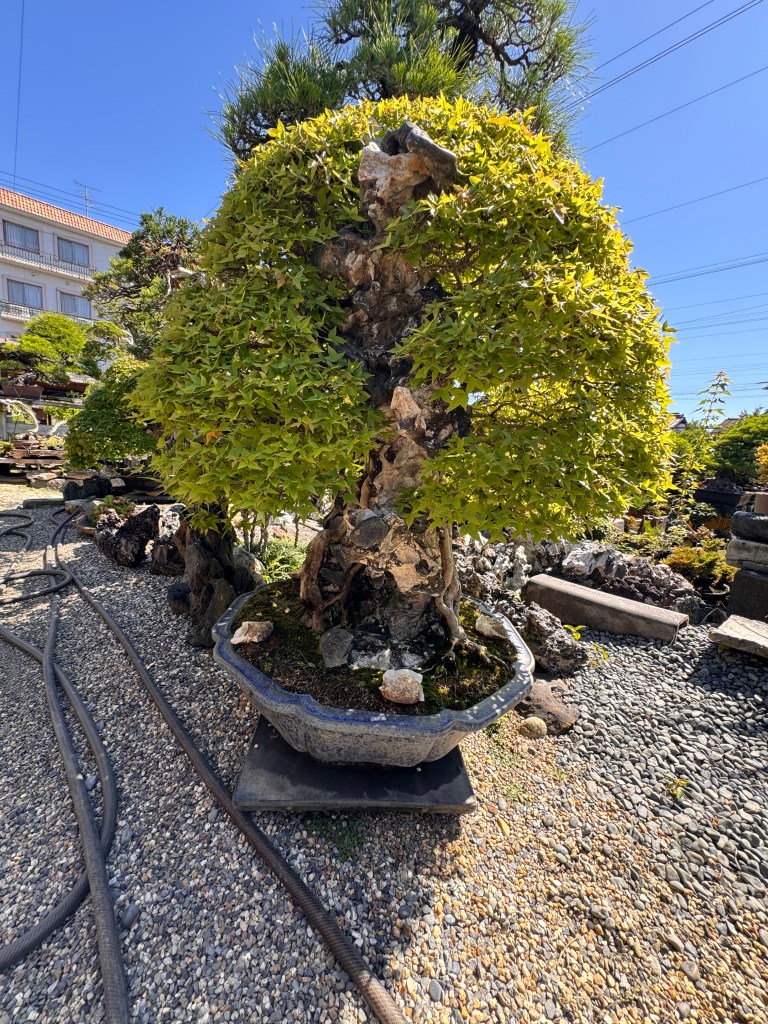
The garden’s second great symbol is quieter but no less powerful – deciduous trees growing on a rock, an image that somehow captures everything bonsai is about: resilience, beauty emerging from the most unlikely conditions.
When Junichiro arrived, I gave him the pomegranate bowl I’d brought from Israel – the same gift I’d carried to Kimura. He held it, turned it over, genuinely appreciated it. He’s different from the other masters I met on this trip – more open, more modern, speaks English, teaches his students from the very beginning without the rigid formality you find elsewhere. Different style, different energy. No less inspiring.
Every garden on this pilgrimage has moved me differently. That, I think, is the real lesson. There is no single path to mastery in bonsai. There are only people who care deeply, each finding their own way to the same devotion.
Tokoname: Beauty and Melancholy
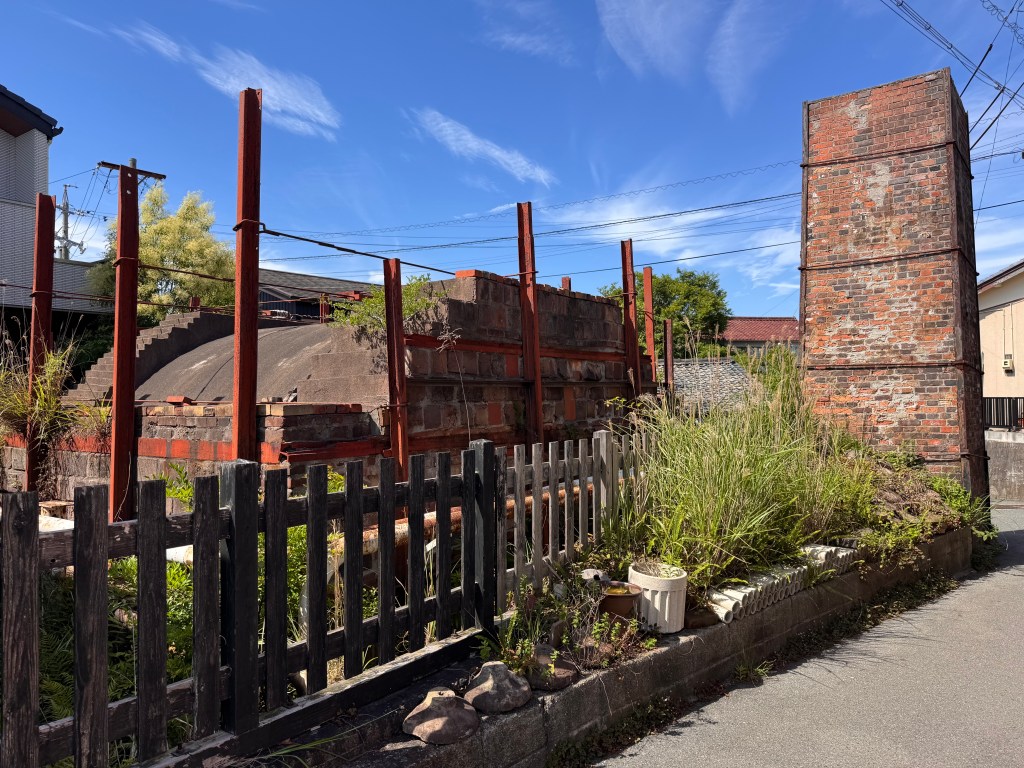
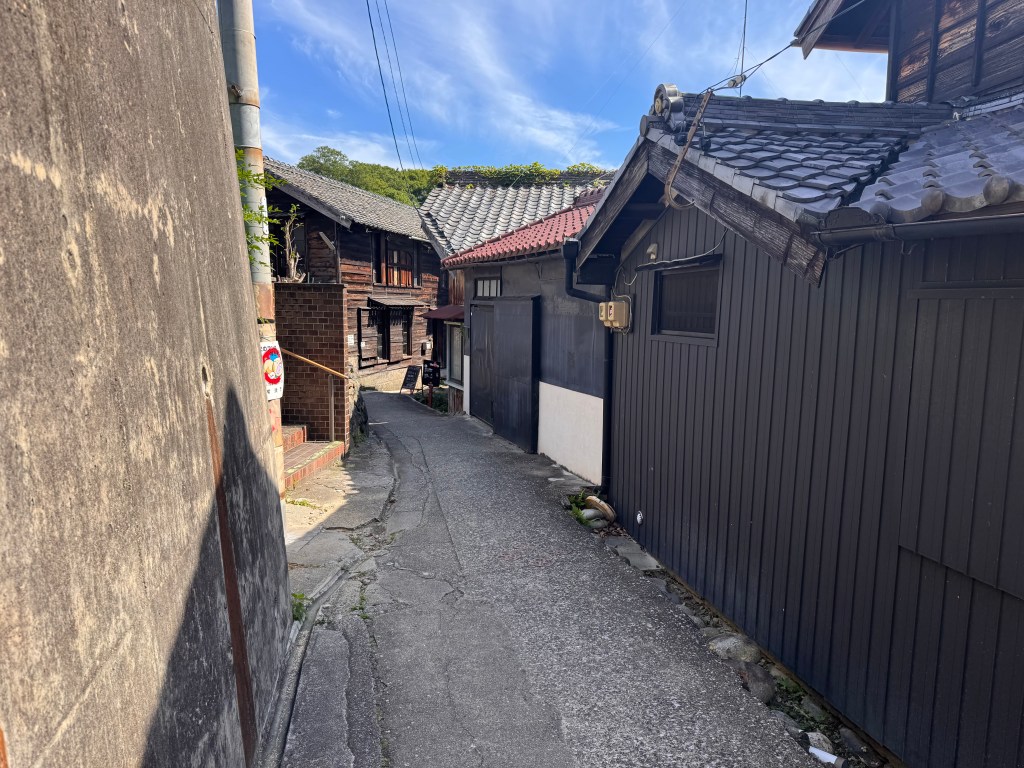
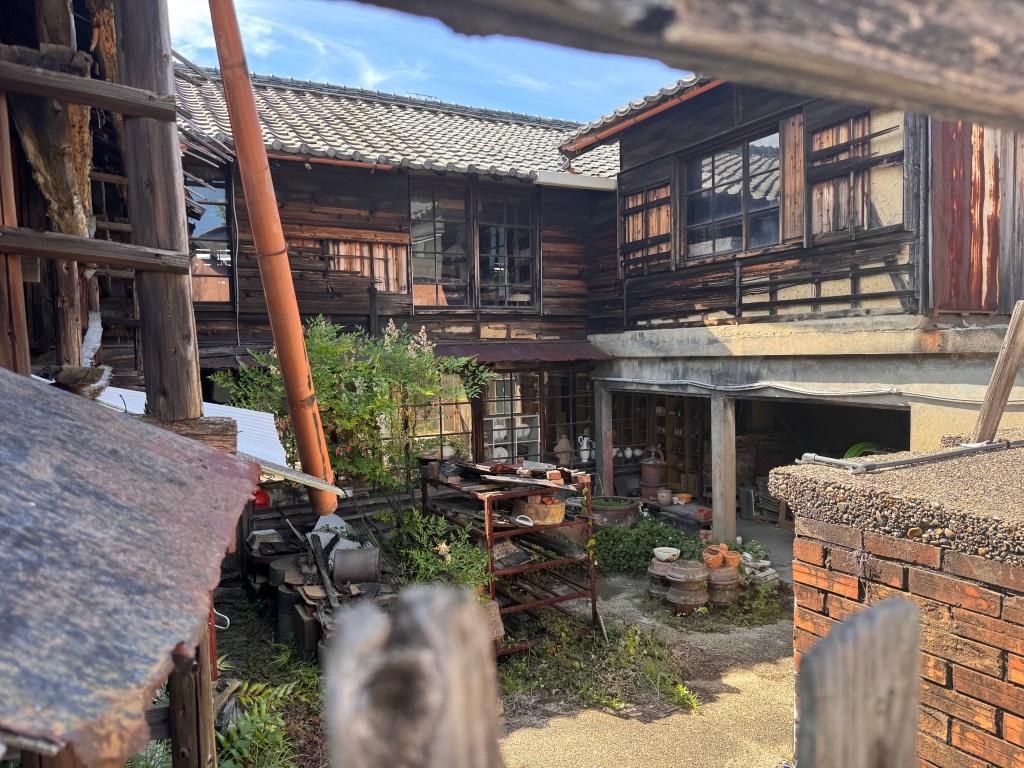
Tokoname is about 45 minutes south of Nagoya, and it holds a sacred place in the bonsai world. The old town is stunning – narrow alleys, clay walls embedded with discarded kiln pieces, ancient climbing kilns standing like monuments to another era. Walking those streets, I felt genuinely transported.
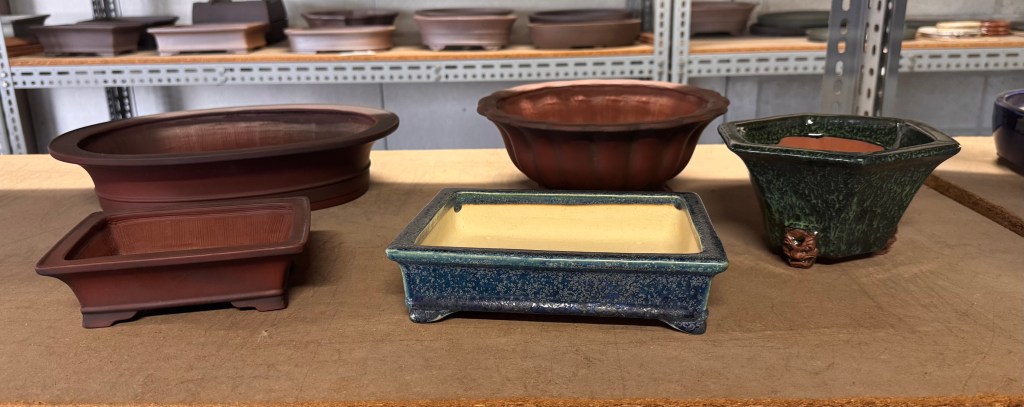
My first stop was Marutatu Isomura Shouten – a tip from Jonas, and one of the best pieces of advice I received on this entire trip. It’s a warehouse full of Tokoname pots from different makers – the perfect place to start.
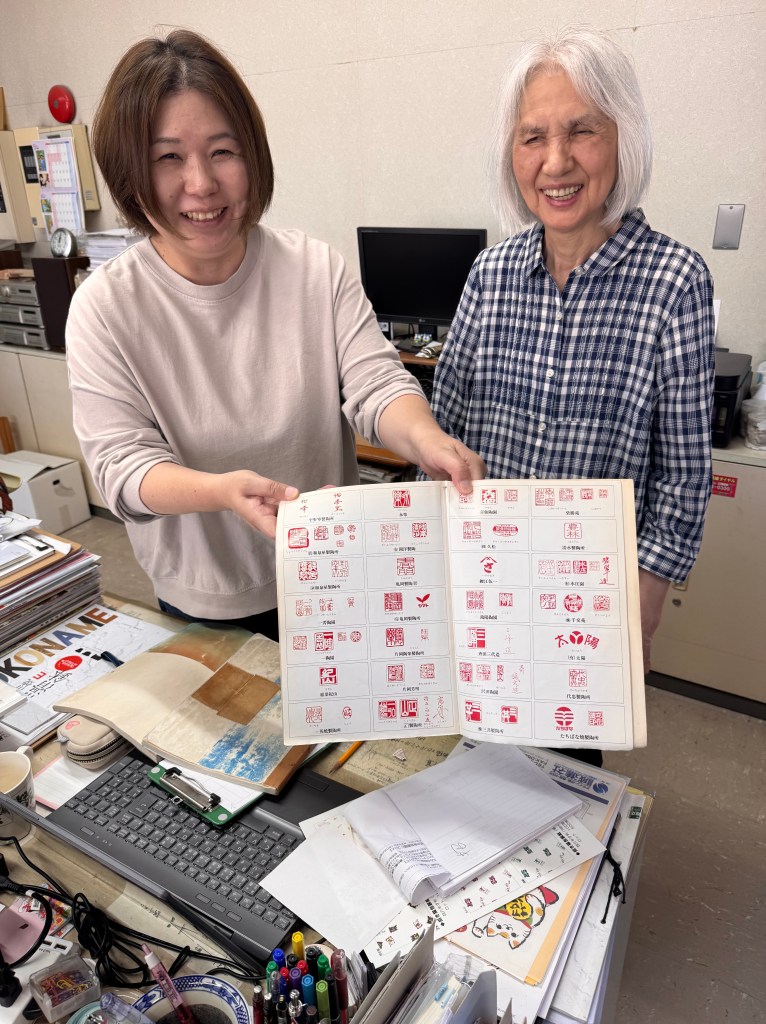
The team there is wonderful – knowledgeable, warm, and deeply passionate about bonsai. I showed them a photo of the signature on a pot I had acquired years ago, without knowing who the artist was. Without hesitation, they reached for several thick, old reference books cataloguing potters’ signatures – a piece of living history in itself.
Within minutes, they had the answer: Kizan. An old master potter who stopped producing pots more than twenty years ago. They explained that he used different signatures for different styles of his work, and they had every variation carefully documented. It was remarkable to witness such expertise and dedication firsthand.
That moment alone was worth the trip. And then, of course, I bought pots. Classic Bigei pieces and more. It was stronger than me – I’ll figure out how to get them home later. Why worry now?
But alongside the wonder of Tokoname, something else crept in. A melancholy I hadn’t expected.
This is a tradition in decline. Many of the great pot makers have passed away. Others are too old to keep producing. The next generation has mostly chosen the big cities. Shops that once overflowed with famous Tokoname pots now stand largely empty – stock that won’t be replenished. A craft that may not survive another generation in the same form.
It made me hold every pot with a reverence I hadn’t anticipated.
Ikko Watanabe: Art in Silence
The team at Marutatu called Ikko Watanabe on my behalf – without them, the afternoon would have been a very different story. He came to pick me up from the station himself.
Ikko was waiting – warm, smiling, a man who’d never met me before but said yes to a stranger’s text without hesitation. He welcomed me into his home, where his workshop sits, and I understood immediately I was somewhere special. On the shelves sat his pots – exhibition-level pieces, hand-built the old traditional way. And among them, pots made by his father, who passed away fifteen years ago. Two generations of work, side by side.
We talked through Google Translate – perfectly sufficient for two people who love bonsai. He asked about Israel, about the community, about which trees we grow. His wife joined us, brought drinks and snacks, and we sat together for the better part of an hour. The kind of hospitality that makes you feel like you’ve known someone for years within twenty minutes.
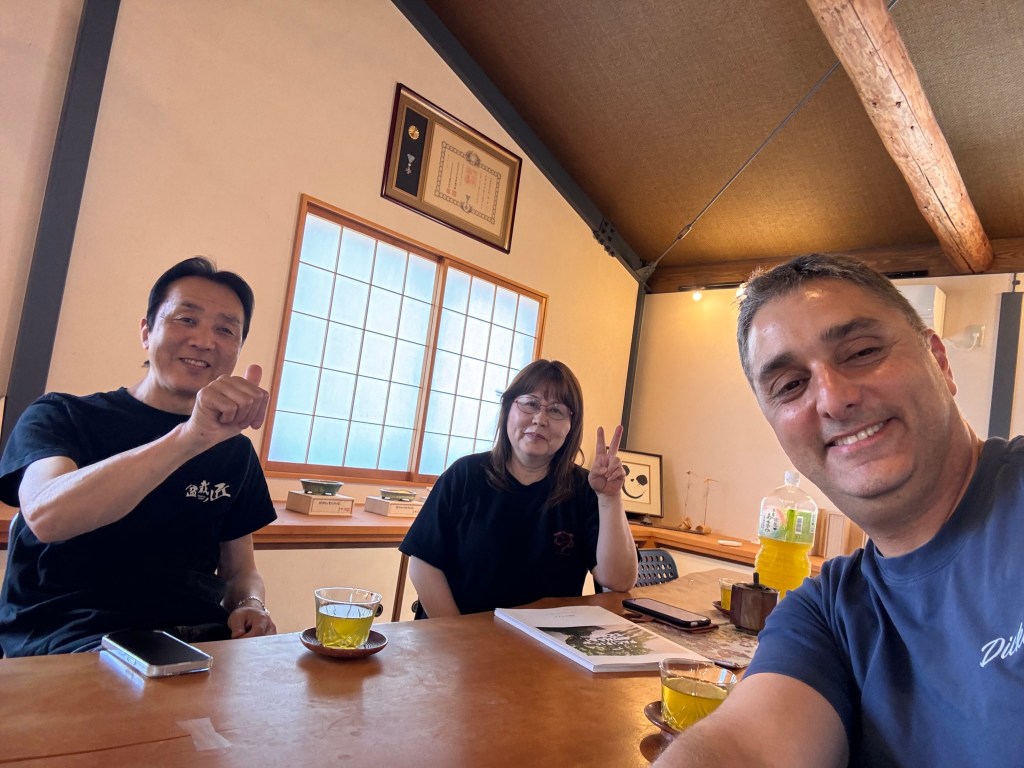
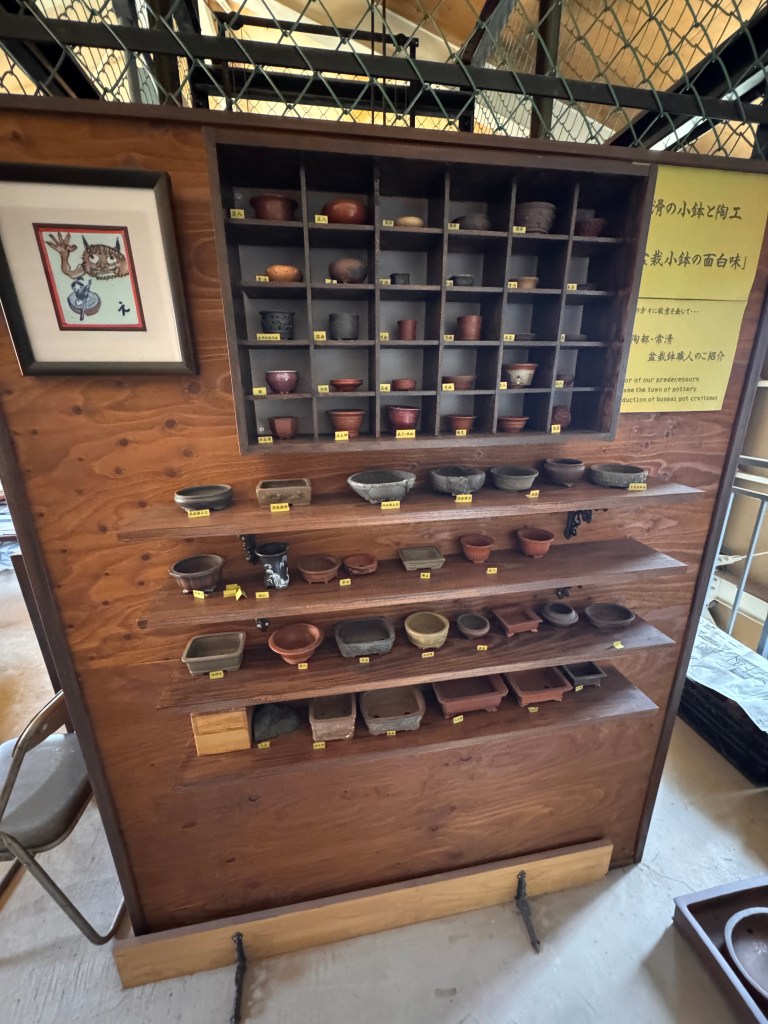
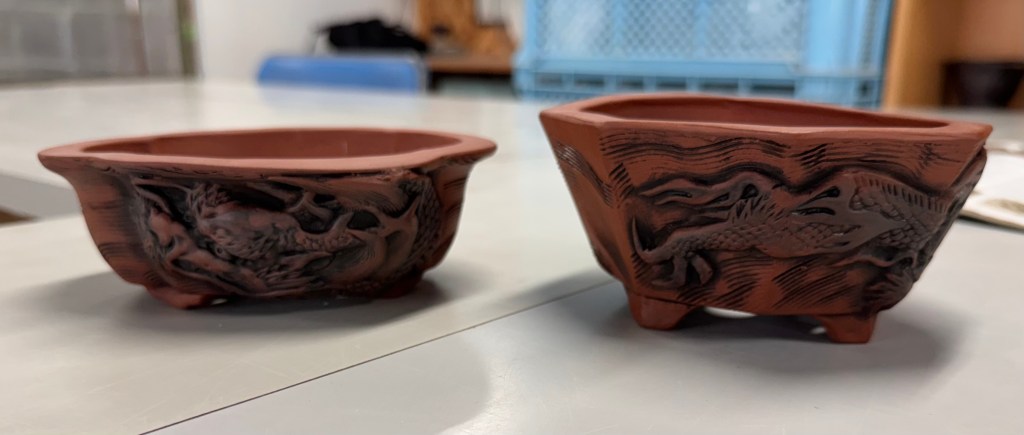
Before moving on, Ikko connected me with Kakuzan Watanabe – another celebrated master – and pointed me toward the old town walking route. Kakuzan showed me his work, including his distinctive dragon markings pressed into the clay.
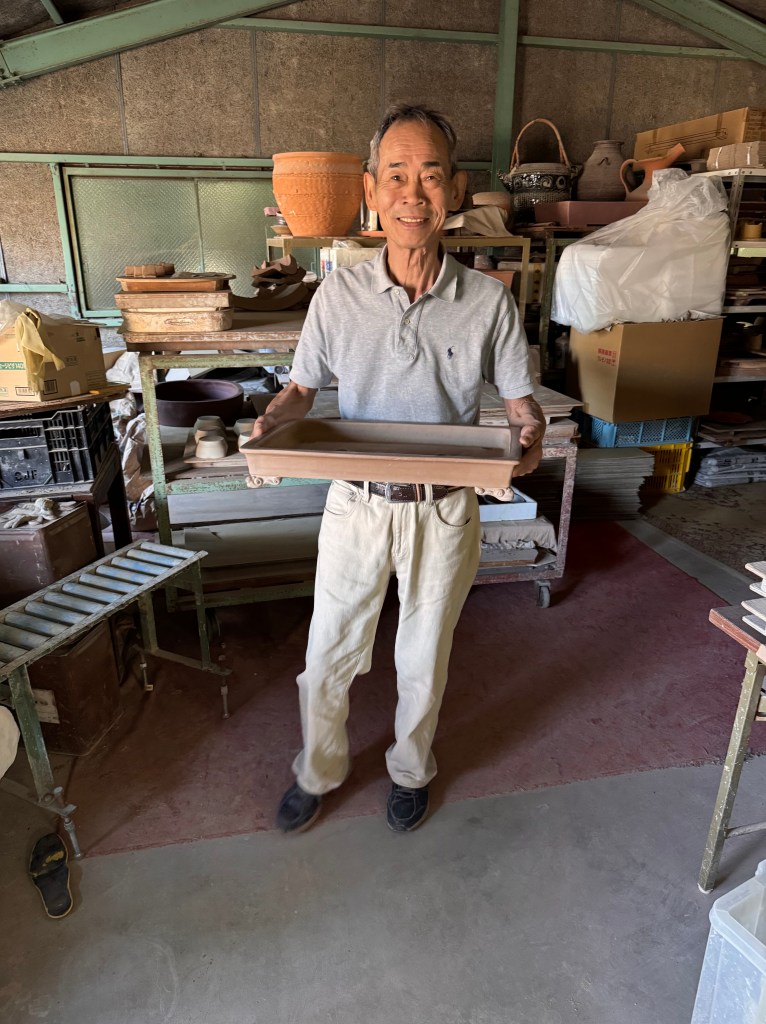
I left his workshop with one of his pieces – that unmistakable signature now coming home with me to Israel.
I did the walking tour. The kilns, the alleys, the walls of embedded clay.
And then Ikko came back to pick me up.
“Do you want to see how I work?”
There was only one possible answer.
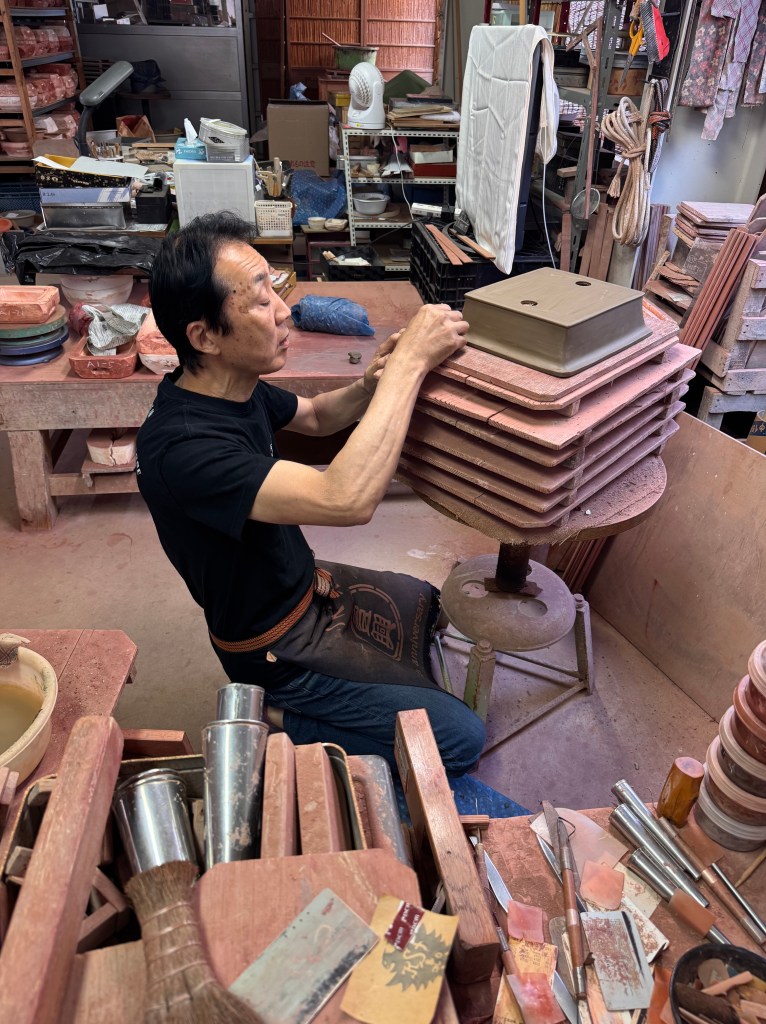
I sat in his workshop and watched. No music, no conversation – just Ikko at his wheel, hands moving with a calm, unhurried precision that felt almost meditative. Each movement deliberate, each adjustment so small you might miss it. This is what a lifetime of craft looks like from the outside: absolute stillness in the hands, absolute certainty in the intention.
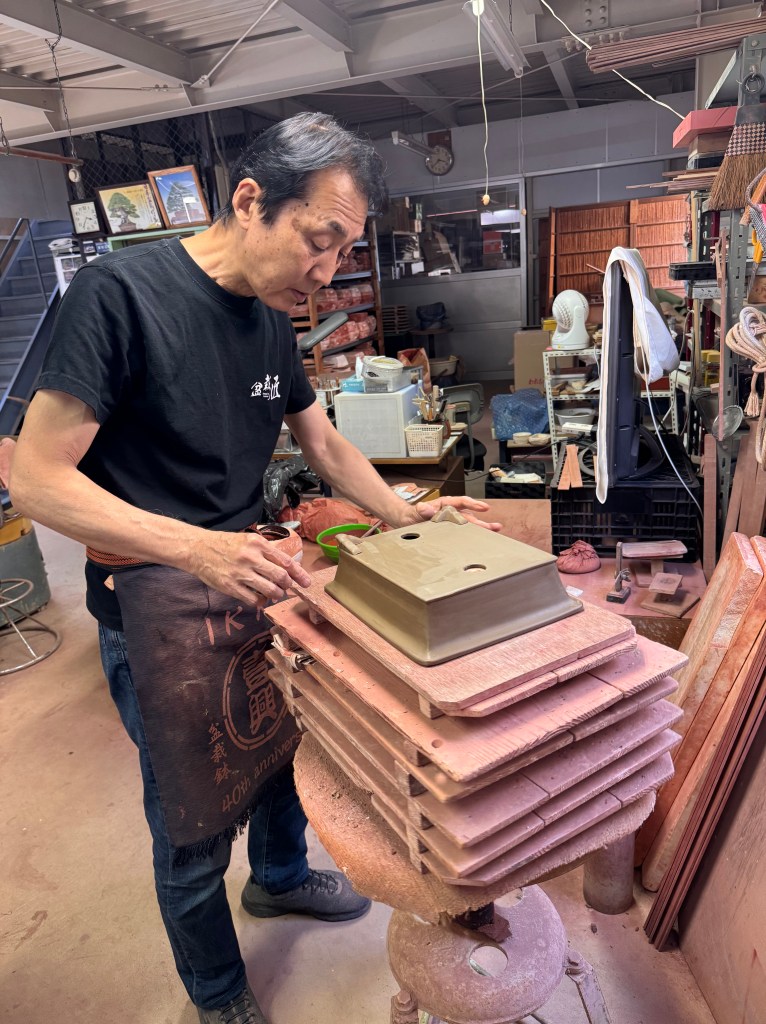
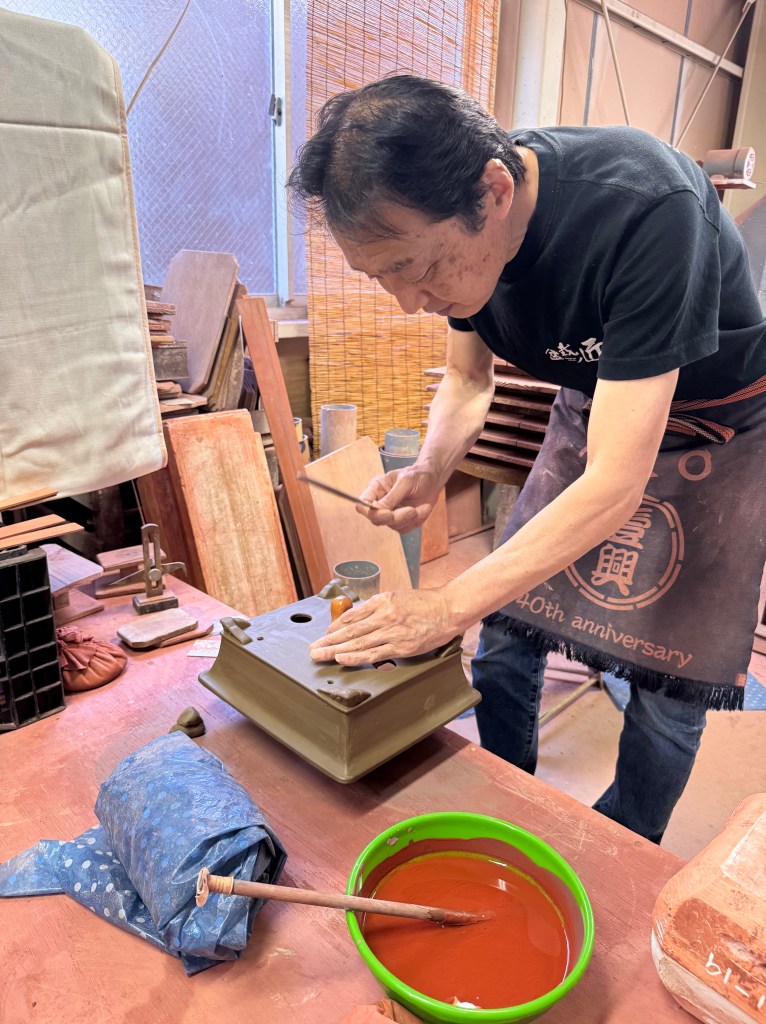
Before I left, I asked if I could purchase a couple of pots home. He walked me to the shelves. I chose one of his own. Then he pointed to one of his father’s. The gesture needed no translation.
Two pots. Two generations. Coming home to Israel.
The train to Kyoto that evening was long, but the kind where you don’t mind staring out the window. A full day behind me — Andrej and the apricot tree that refused to die, the old books at Marutatu, Kakuzan’s dragons, Ikko’s hands moving in silence, and more pots than I care to admit wrapped carefully in my bag.
Tokoname will stay with me. Not just for what I found there, but for what it made me feel: the fragility of beautiful things, and the importance of showing up while they still exist.
Tomorrow: Kyoto, Bjorn, and the next chapter.

Leave a comment