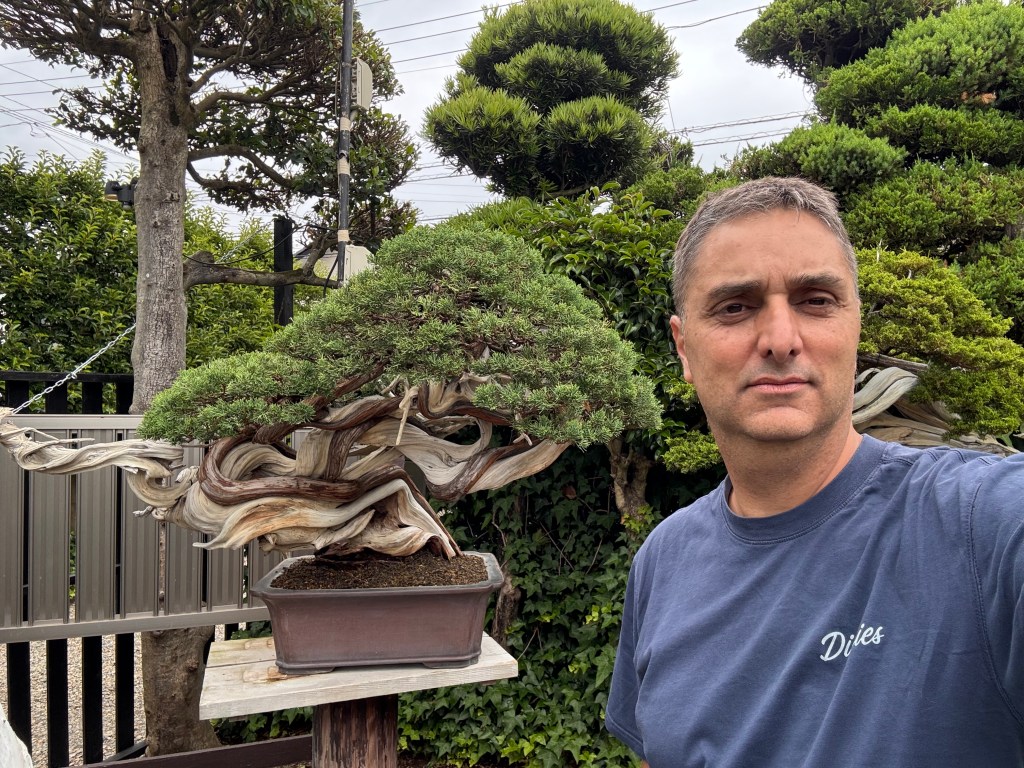
Bonsai Nomad

Tag: garden

  • A Quiet Morning Among Giants: The Huntington Gardens

    A Quiet Morning Among Giants: The Huntington Gardens

    After a full week in San Francisco — Jonas Dupuich, the Bonsai Garden at Lake Merritt, and more trees than I could properly process in a few days — I packed up and headed south to Santa Monica for another work event. Business trips have a funny way of doing that to me lately: I land somewhere for meetings, and somewhere in the itinerary a bonsai detour quietly writes itself in. This time, though, I got lucky in a different way — the weekend was entirely mine. No meetings, no calls, just two free days in LA. And you already know what that meant.
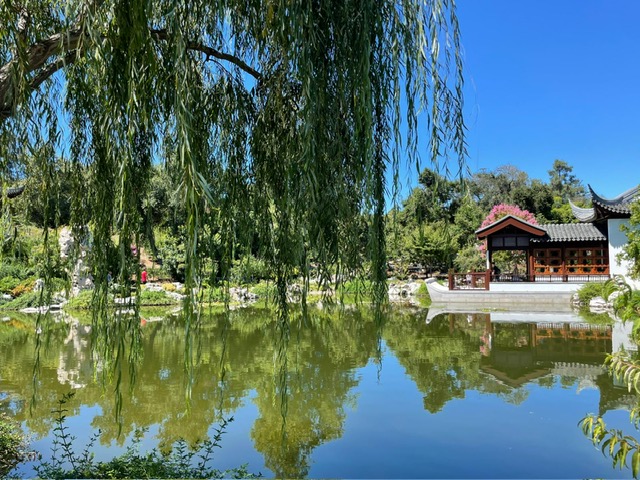
    Where to go? Jonas had the answer.

    Before I’d even left San Francisco, I asked Jonas where I should point myself in LA. He didn’t hesitate: The Huntington. And he did more than just point me in the right direction — he introduced me to Daniel Deephouse, the Huntington’s (relatively new) curator of the bonsai collection, who kindly offered to meet me there in person and walk me through the collection, including the parts visitors don’t normally get to see.

    A high-level word on the Huntington itself: The Huntington Library, Art Museum, and Botanical Gardens is a sprawling estate in San Marino, just outside Pasadena — originally the private estate of railroad magnate Henry Huntington, and now home to a world-class art collection, a research library holding treasures like a Gutenberg Bible, and more than a dozen distinct botanical gardens spread across some 120 acres.
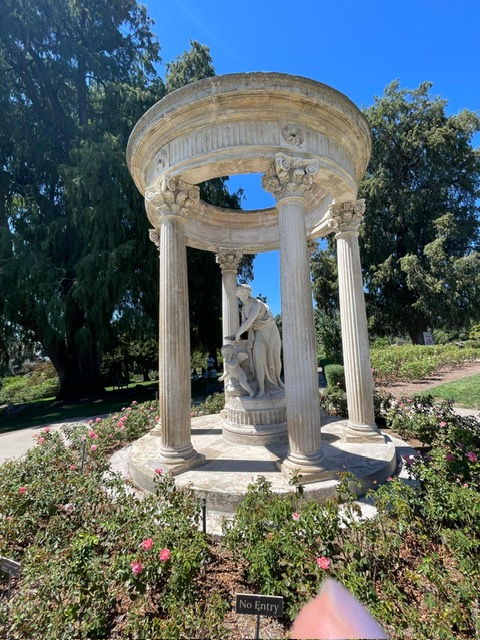
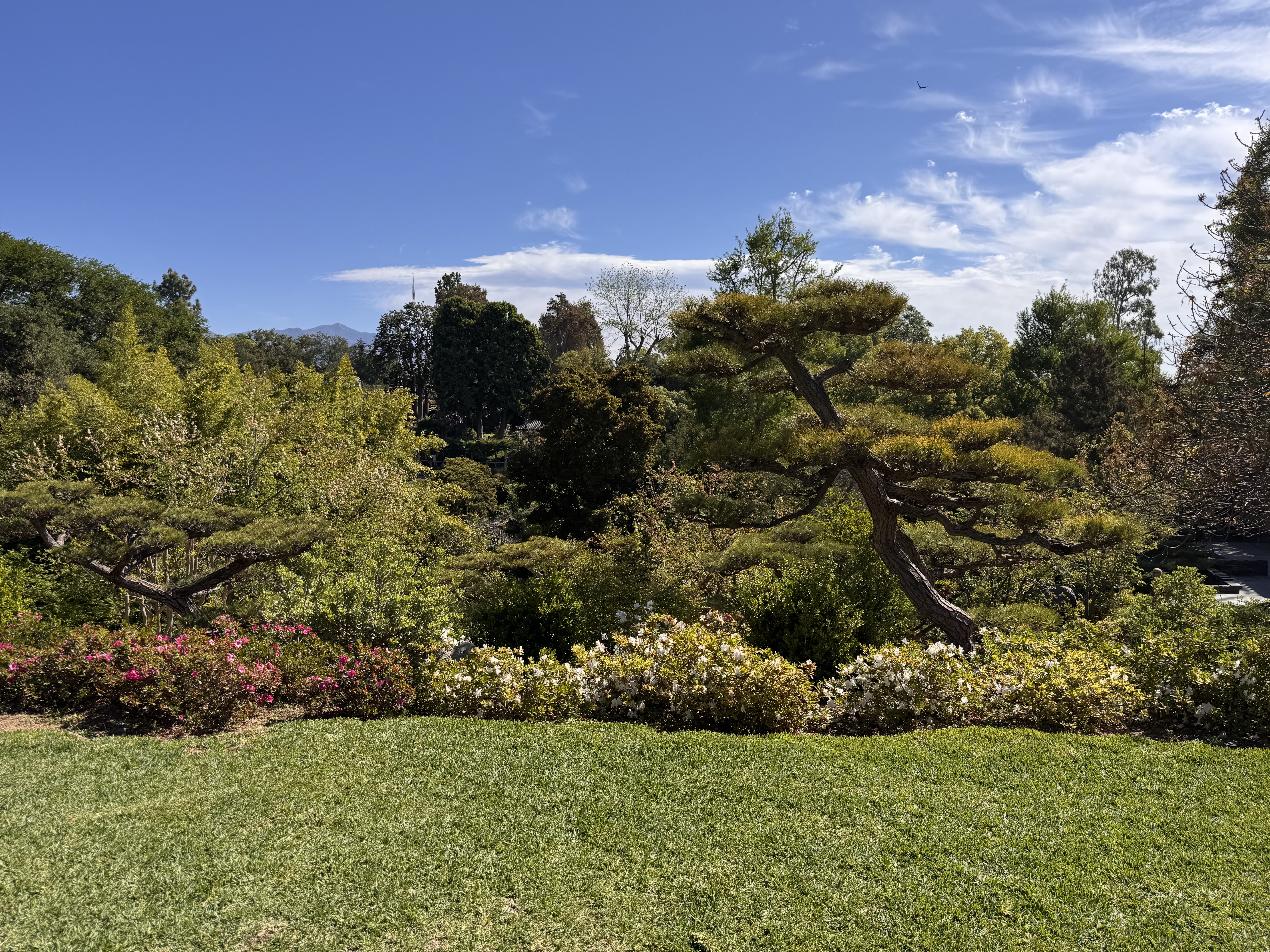
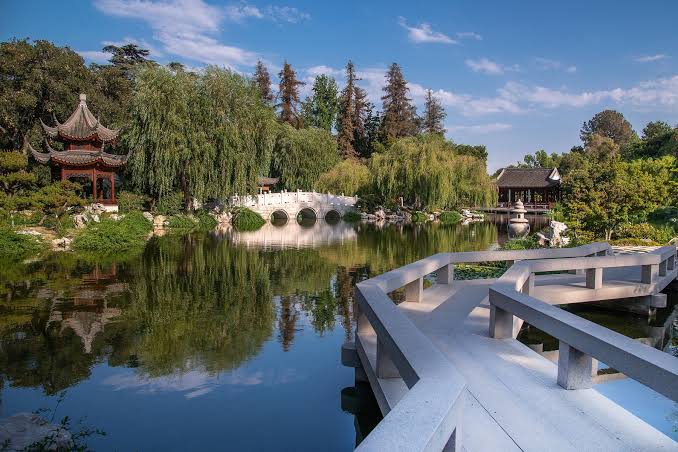
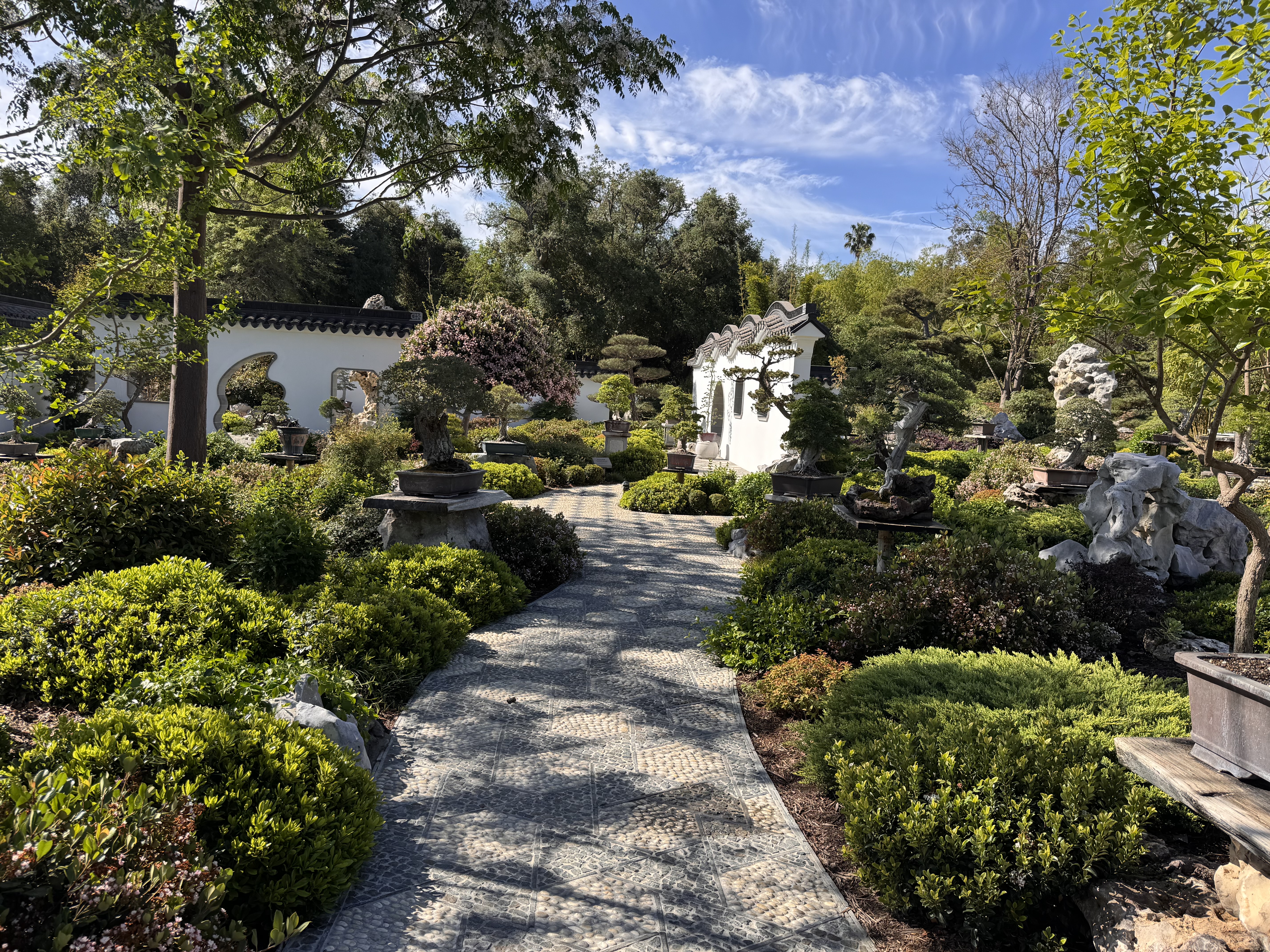
    You could spend days there and still not see it all: a desert garden, a rose garden, a Chinese garden, a Japanese garden, and more. I had exactly one focus in mind, so I made a beeline for the two gardens that matter most to a bonsai obsessive — the bonsai courts and the penjing collection in the Chinese Garden.

    Getting in before the world wakes up

    Having a special pass arranged by Daniel meant I could get into the gardens well before the general public — and that made all the difference. There’s something almost meditative about walking through a world-class garden completely alone, before the crowds, before the noise, with just the light and the quiet and the trees. I wandered slowly, in no rush to be anywhere, which is exactly the right pace for looking at bonsai properly.
    Penjing vs. Bonsai — a quick primer

    Before I describe what I saw, it’s worth pausing on a distinction that isn’t always obvious to newcomers (it wasn’t to me, a year ago). Both traditions revolve around cultivating miniature trees to evoke a larger landscape, but they come from different roots and carry a different spirit.
    Penjing: Full Scenery in a tray

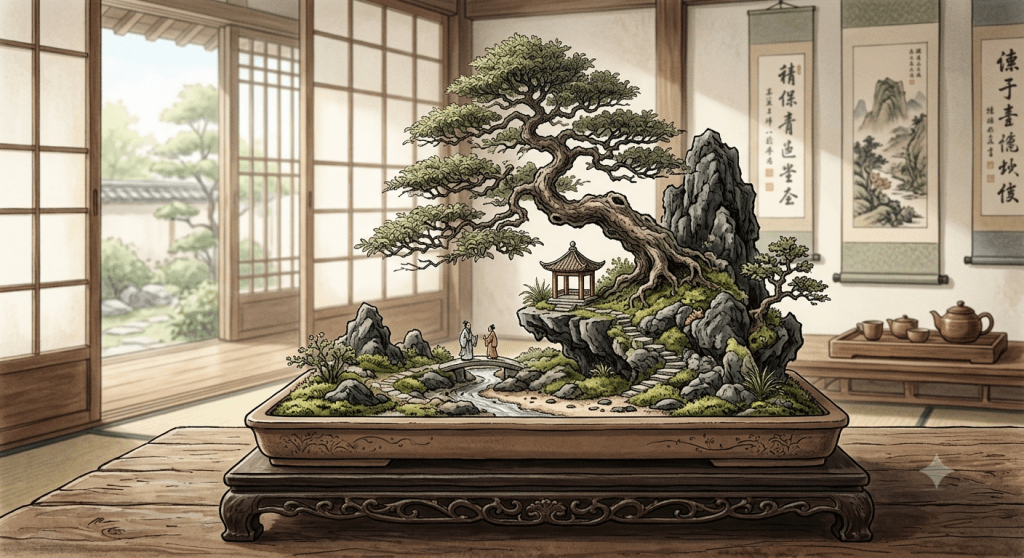
    Penjing is the older, Chinese tradition — it’s thought to have originated roughly two thousand years ago and later traveled to Japan with Buddhist monks, where over the centuries it evolved into what we now call bonsai. Penjing displays often go beyond a single tree: rocks, water, and even small figurines can be part of the composition, and the aesthetic tends to be more dramatic and wild, chasing the untamed shapes trees take in nature. Bonsai, by contrast, is generally more restrained — a single tree, a single pot, a more internal and contemplative feel. As one Huntington curator put it, penjing can be extreme where bonsai is subtle. Standing between the two collections that morning, the difference was immediately visible, not just theoretical.

    The Penjing Court
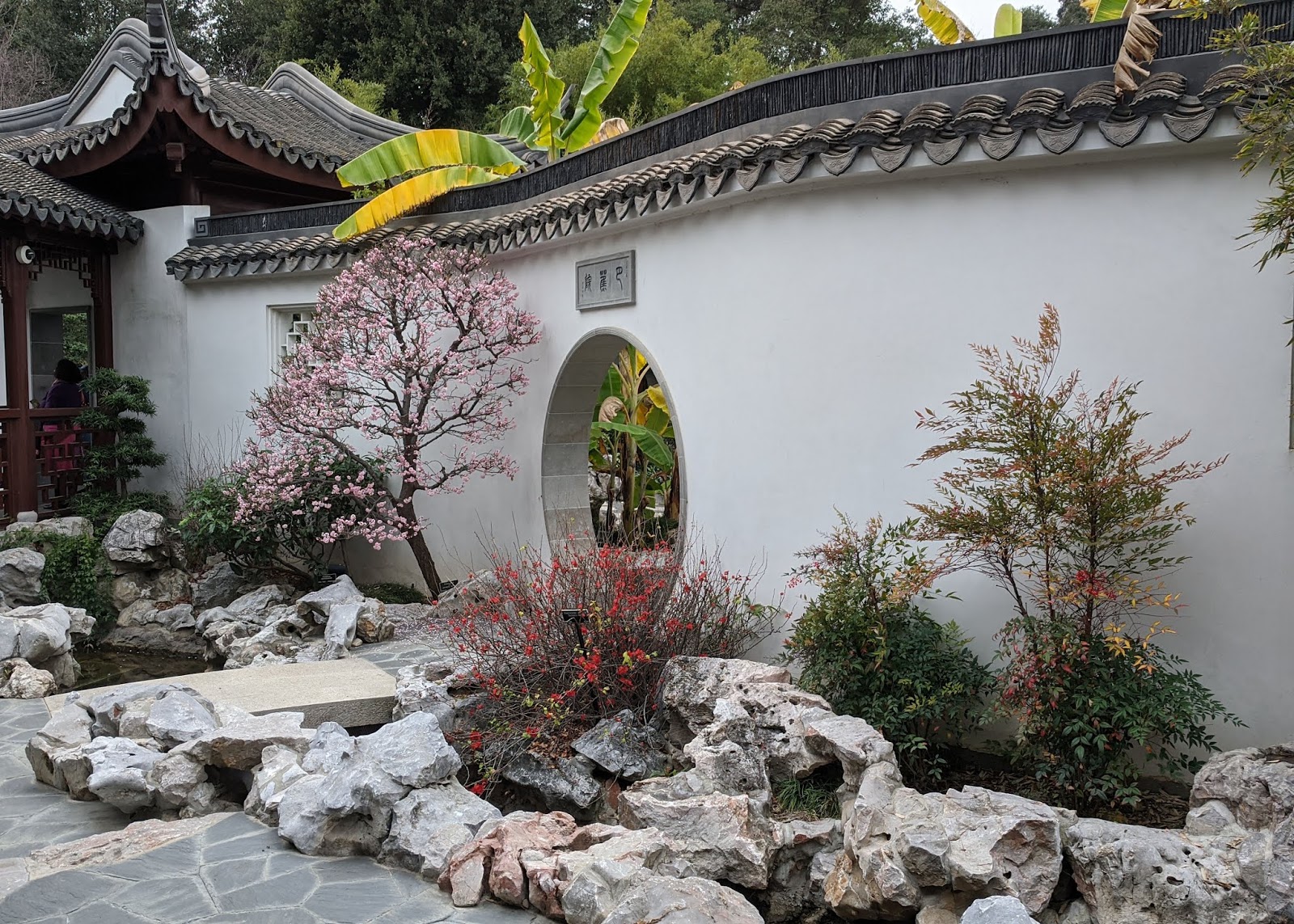
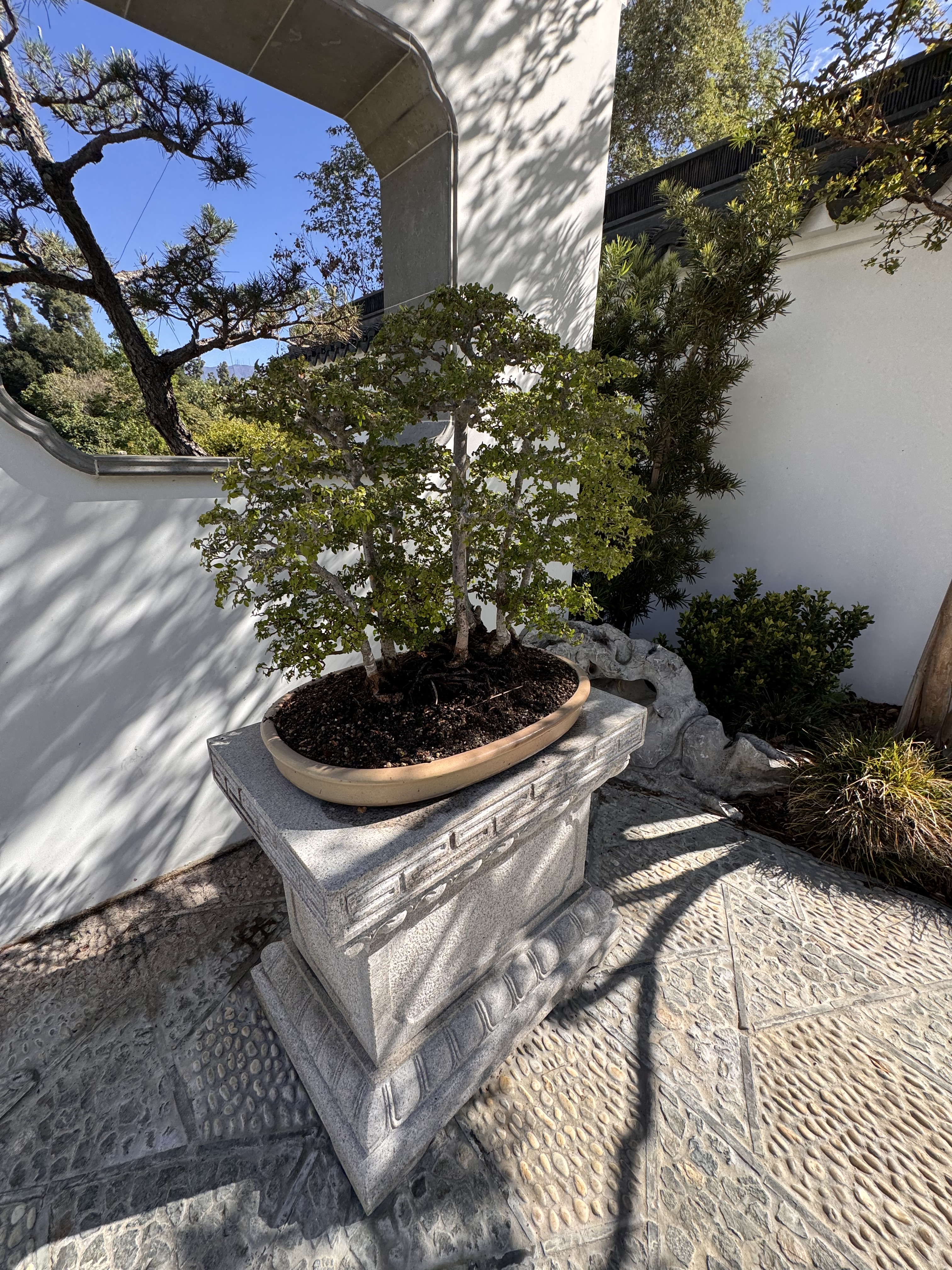
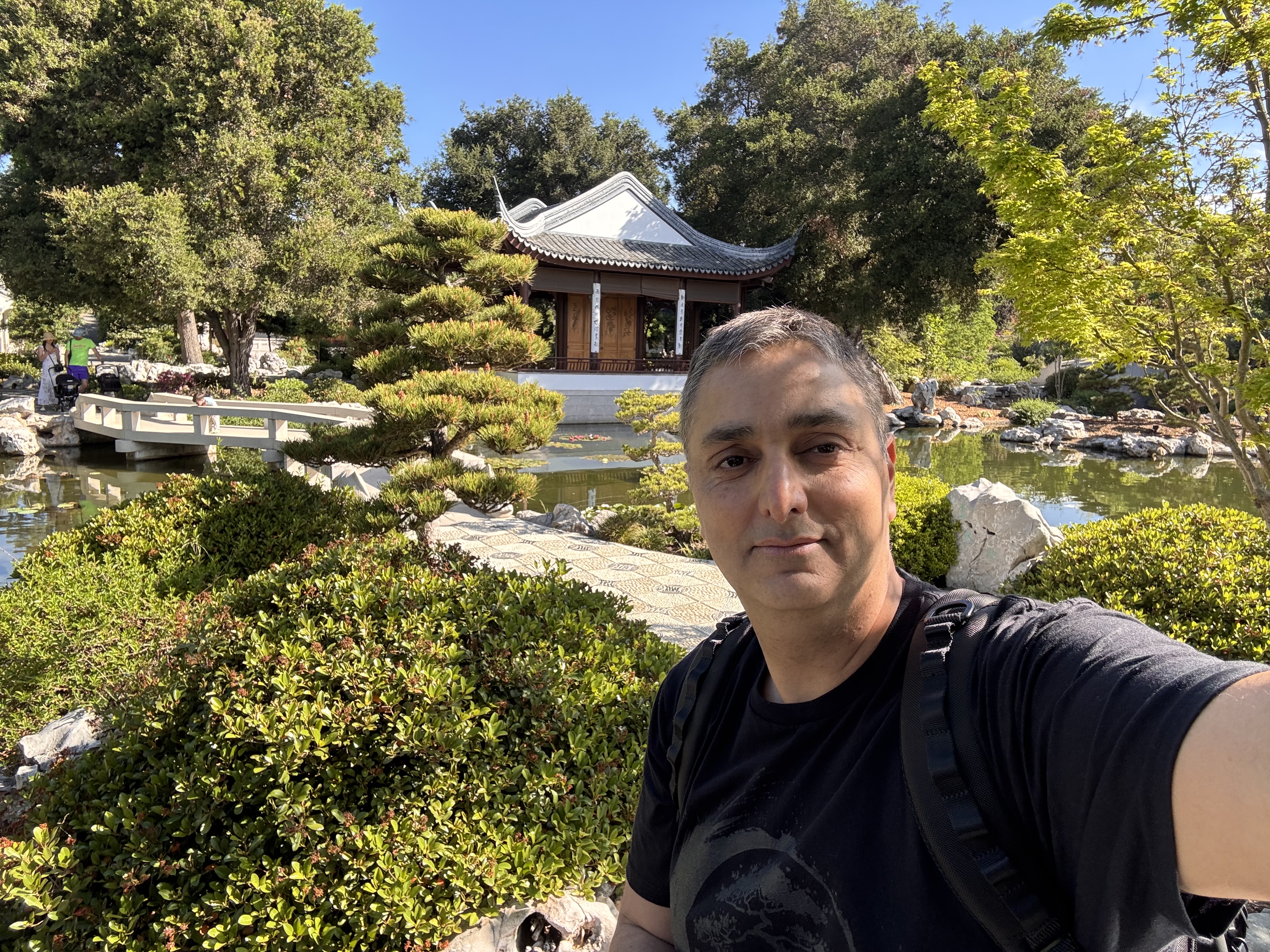
    I started in the penjing collection, and it stopped me in my tracks. Unlike bonsai, several of these magnificent pines weren’t even in pots — planted directly into the ground, shaped over what must have been decades into forms of pure sculptural perfection. Combined with the surrounding lake and landscaping, the whole scene was simply breathtaking, more like walking into a classical Chinese painting than a garden.
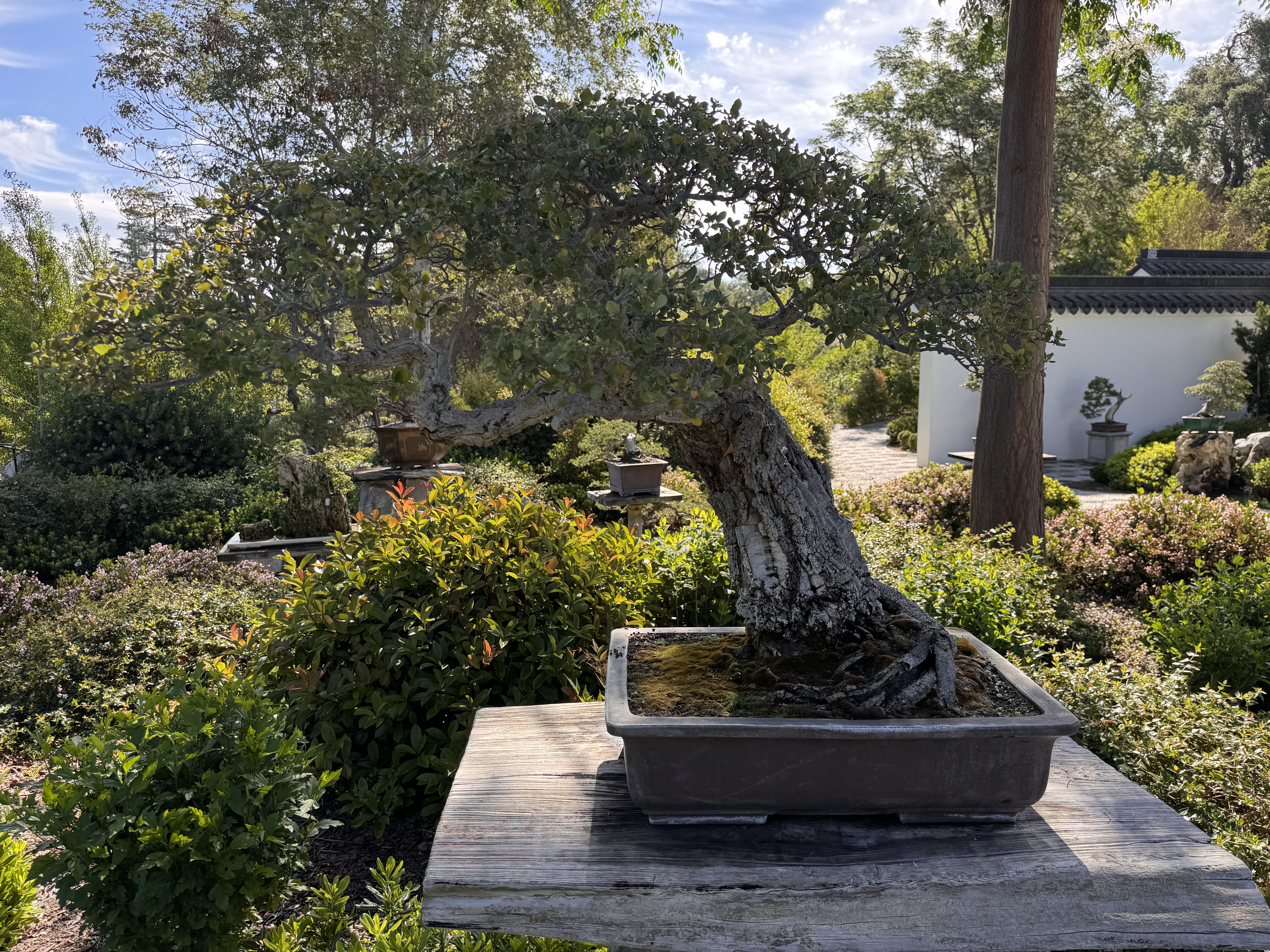
    Into the Japanese Bonsai Garden
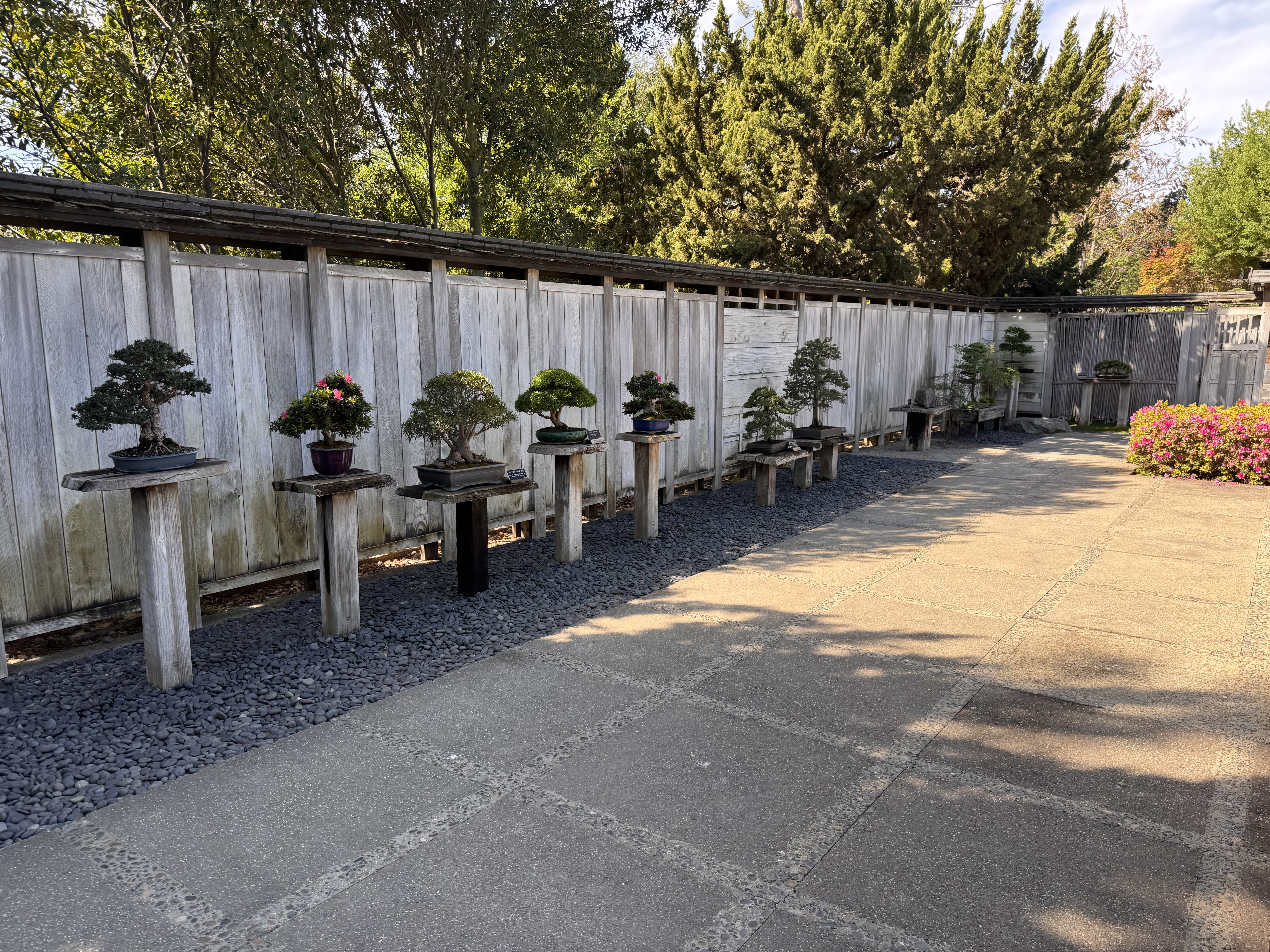
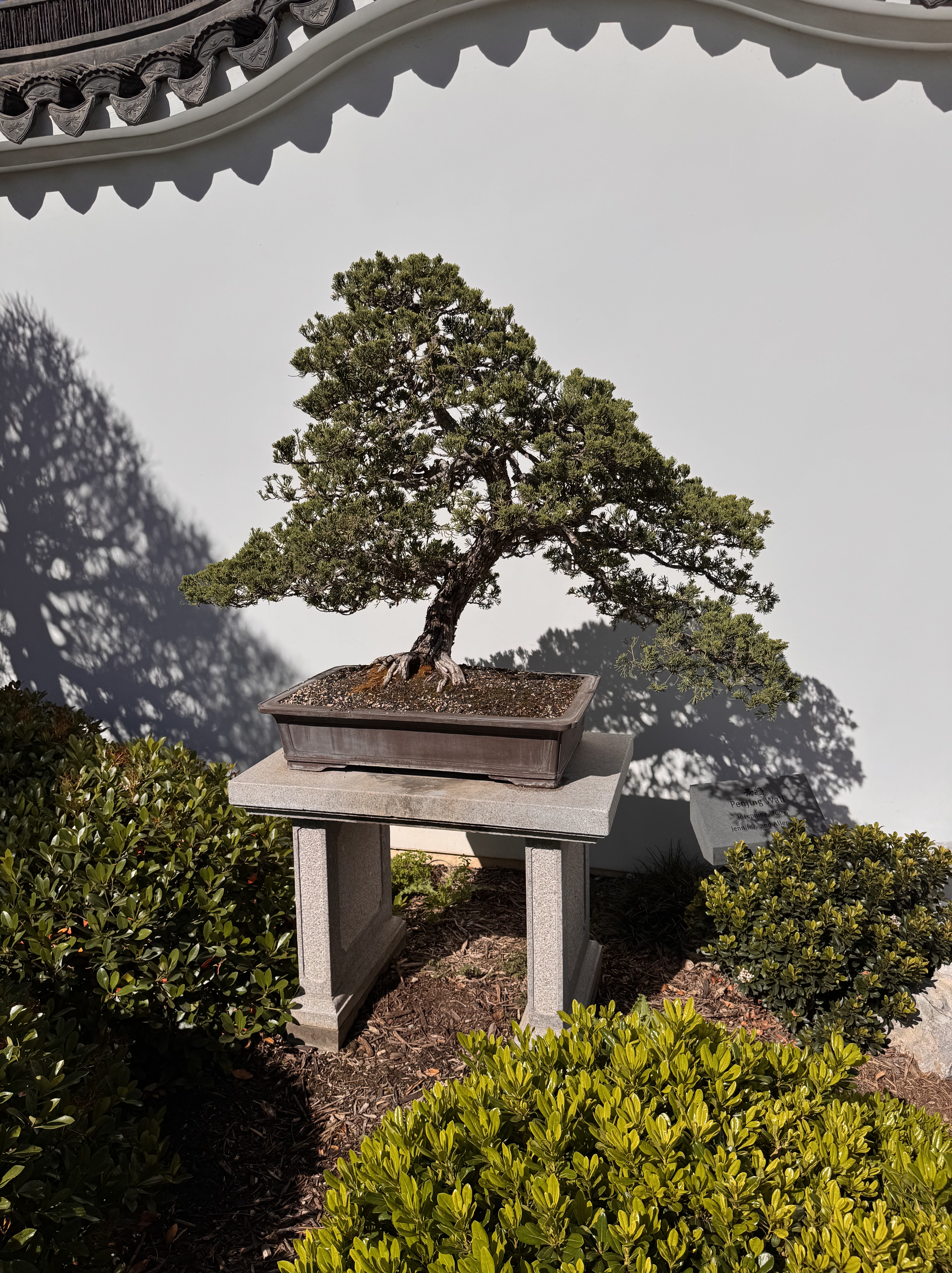
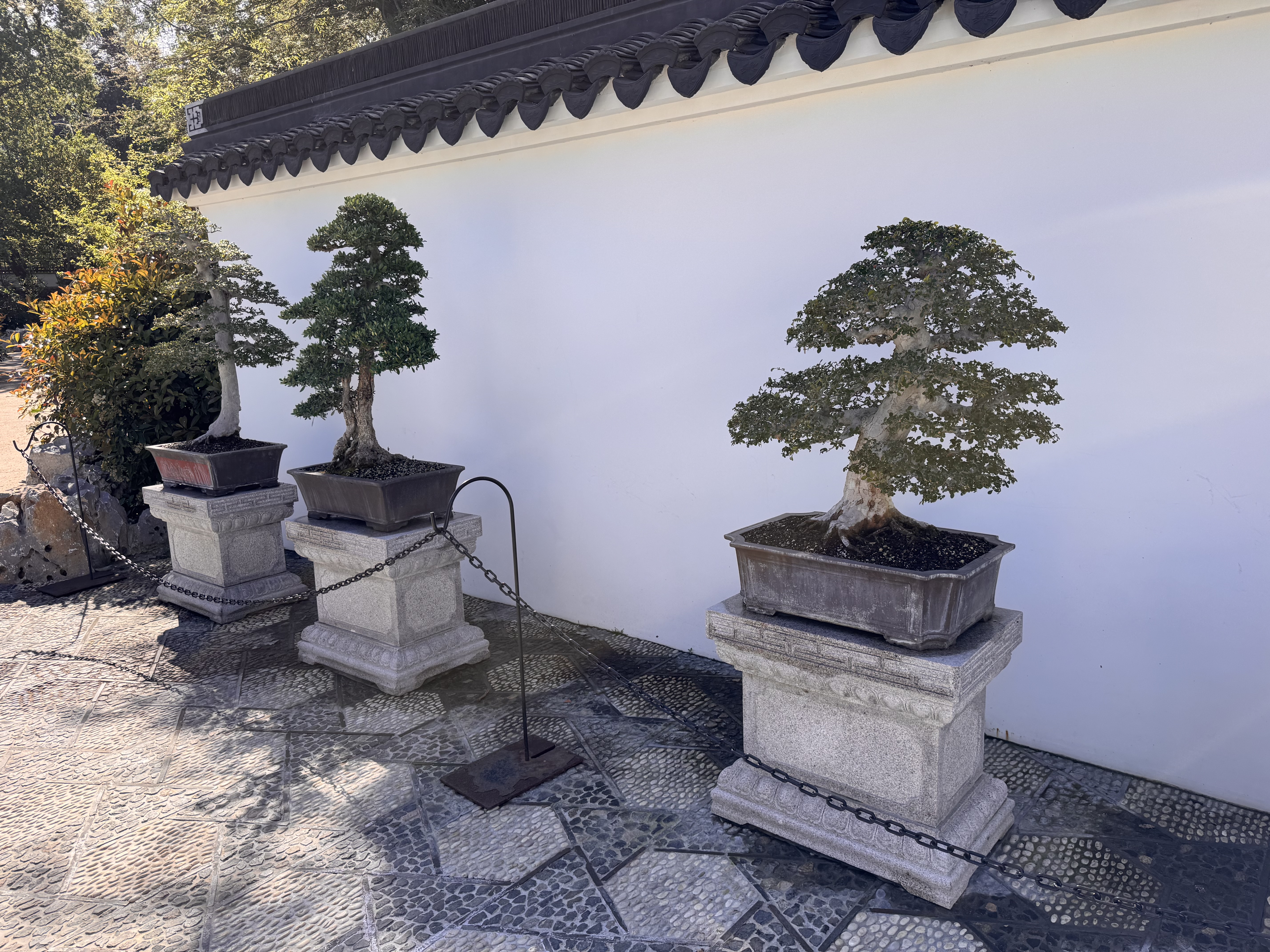
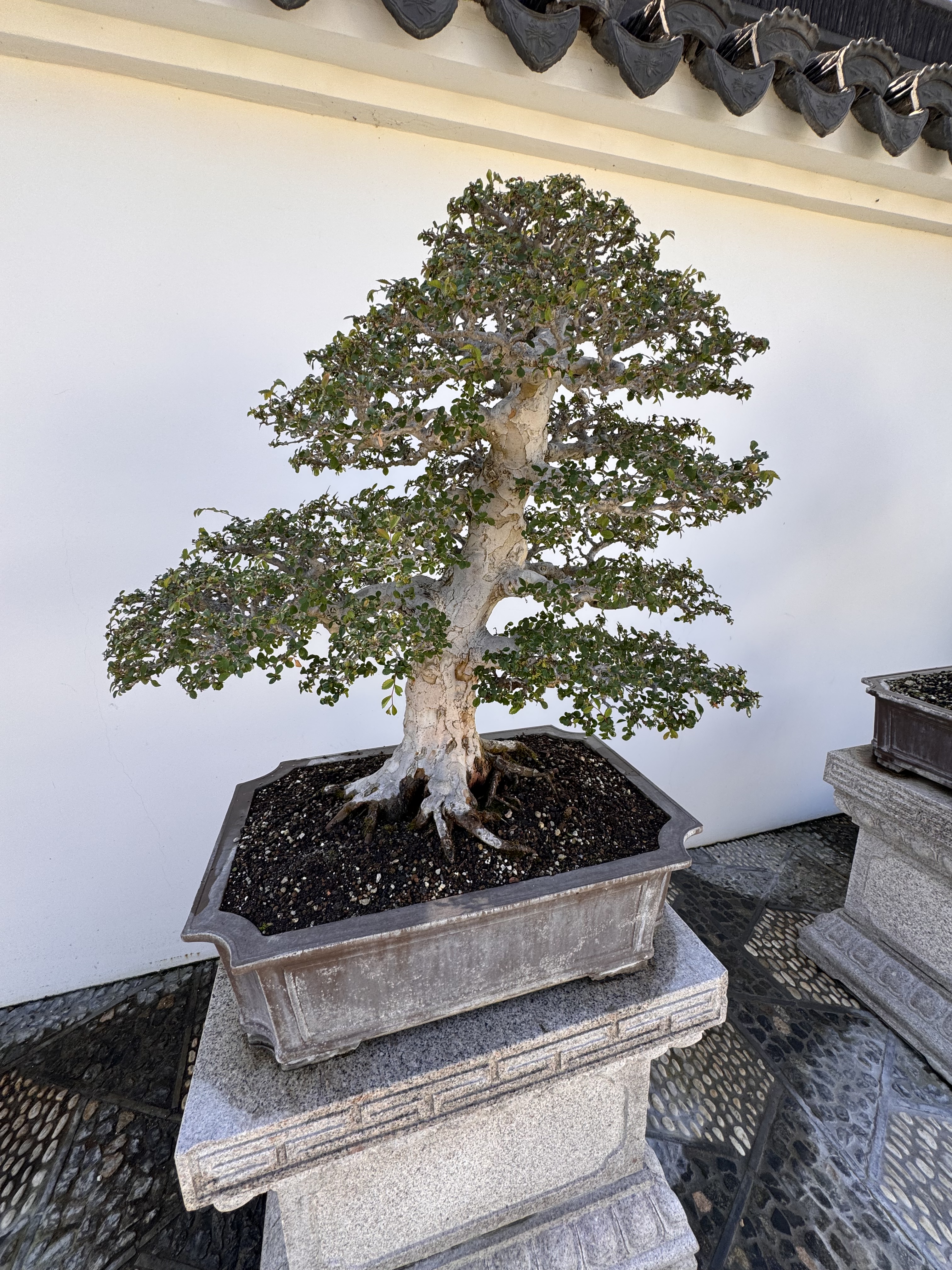
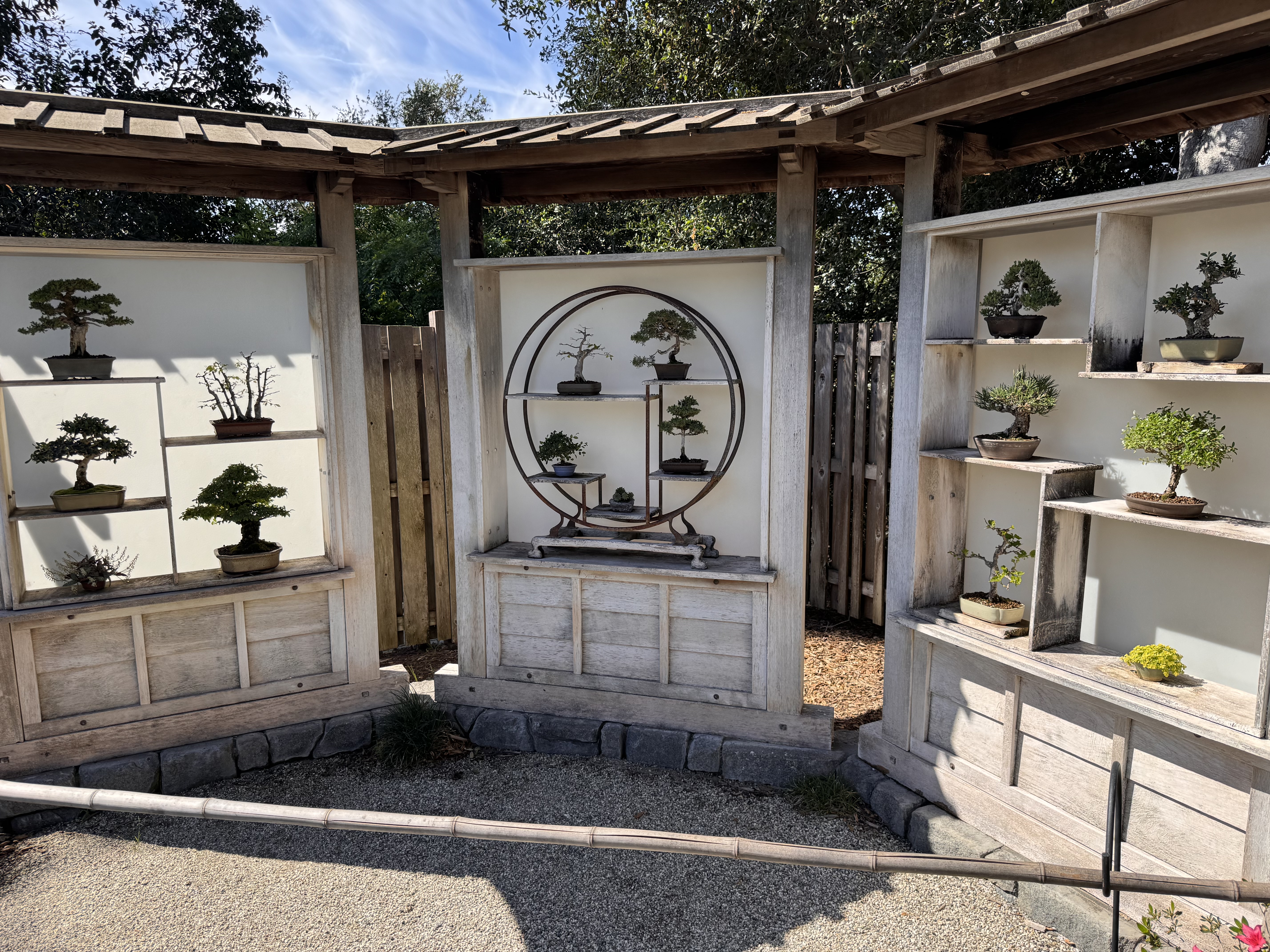
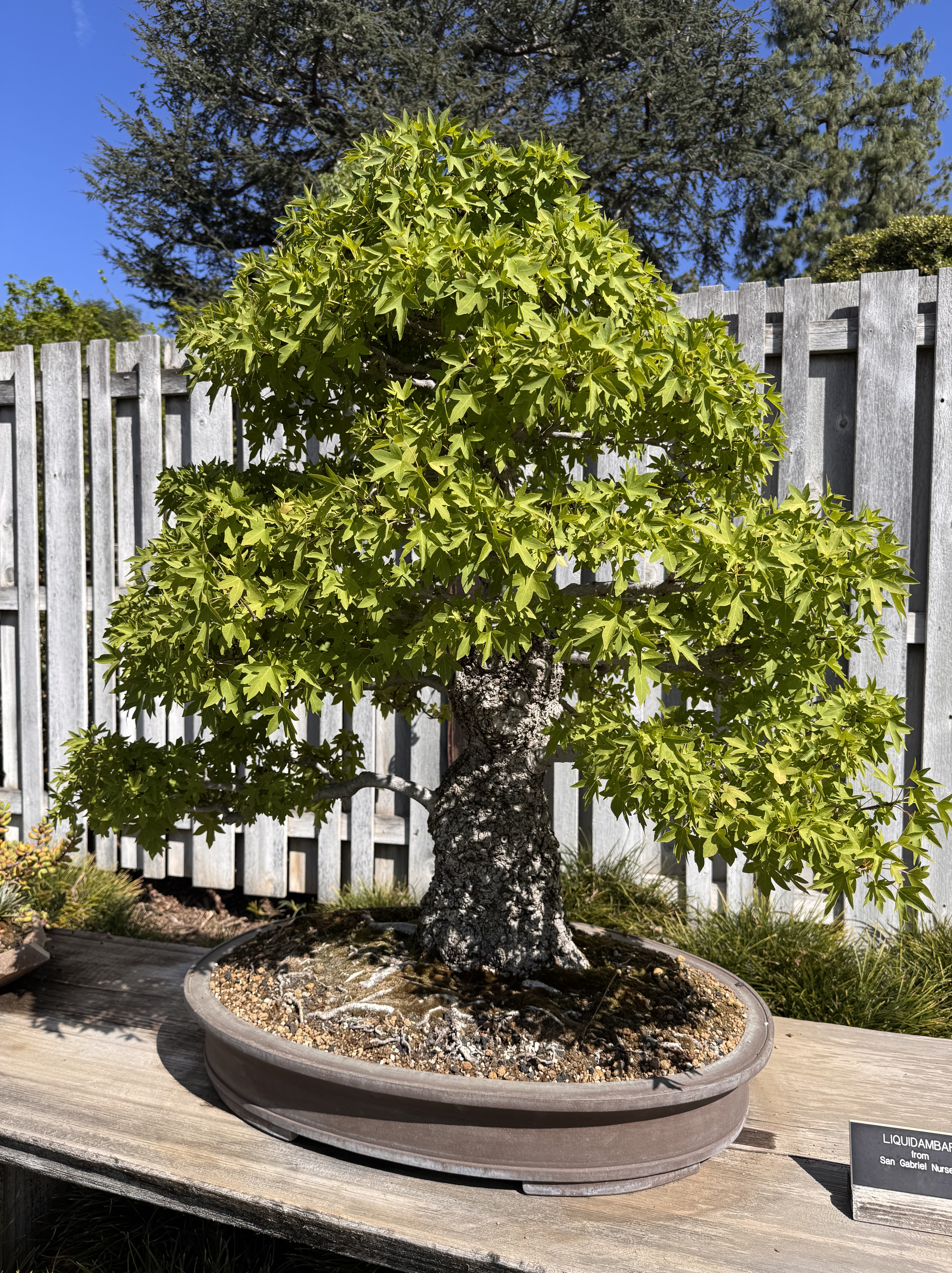
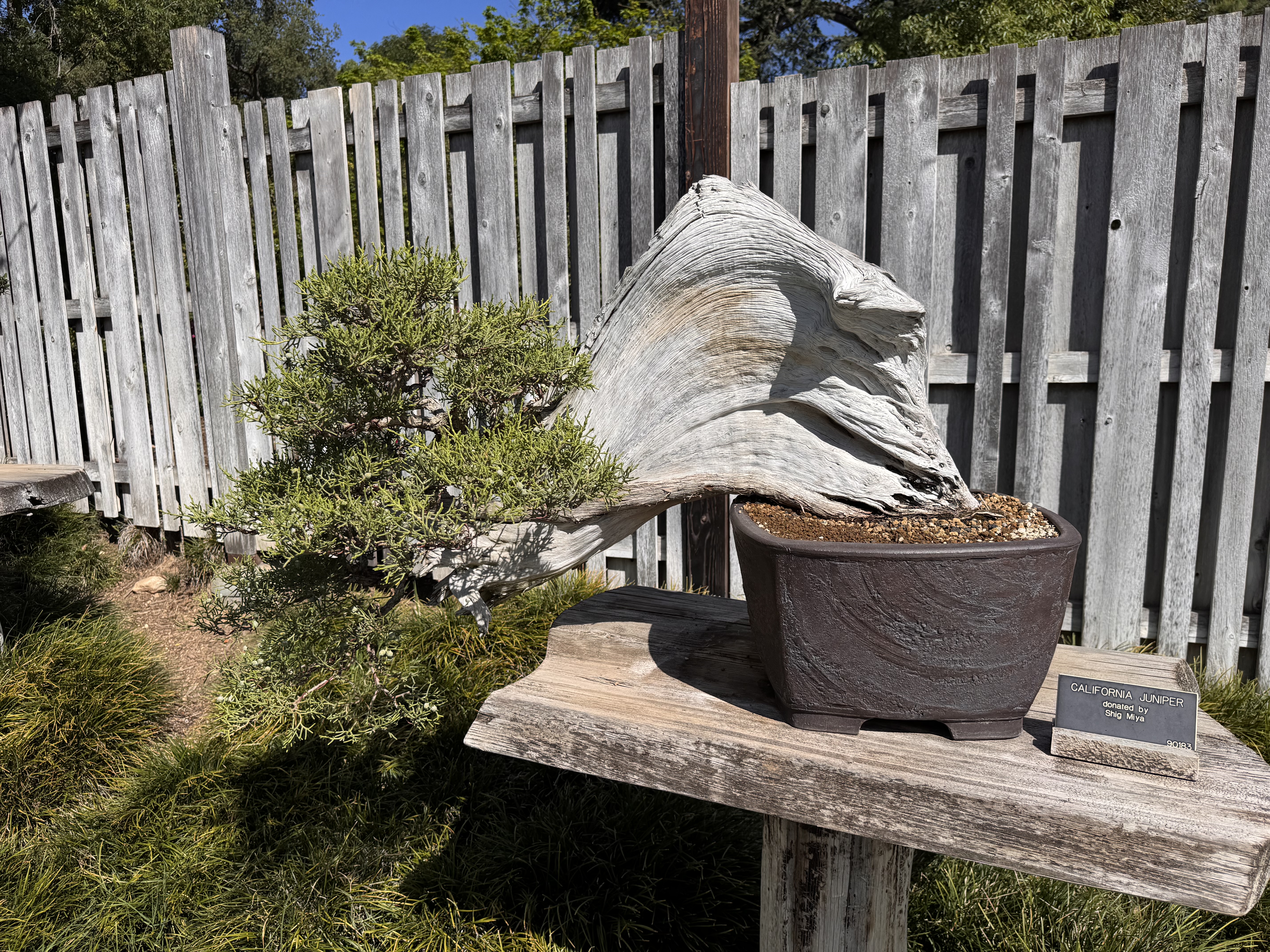
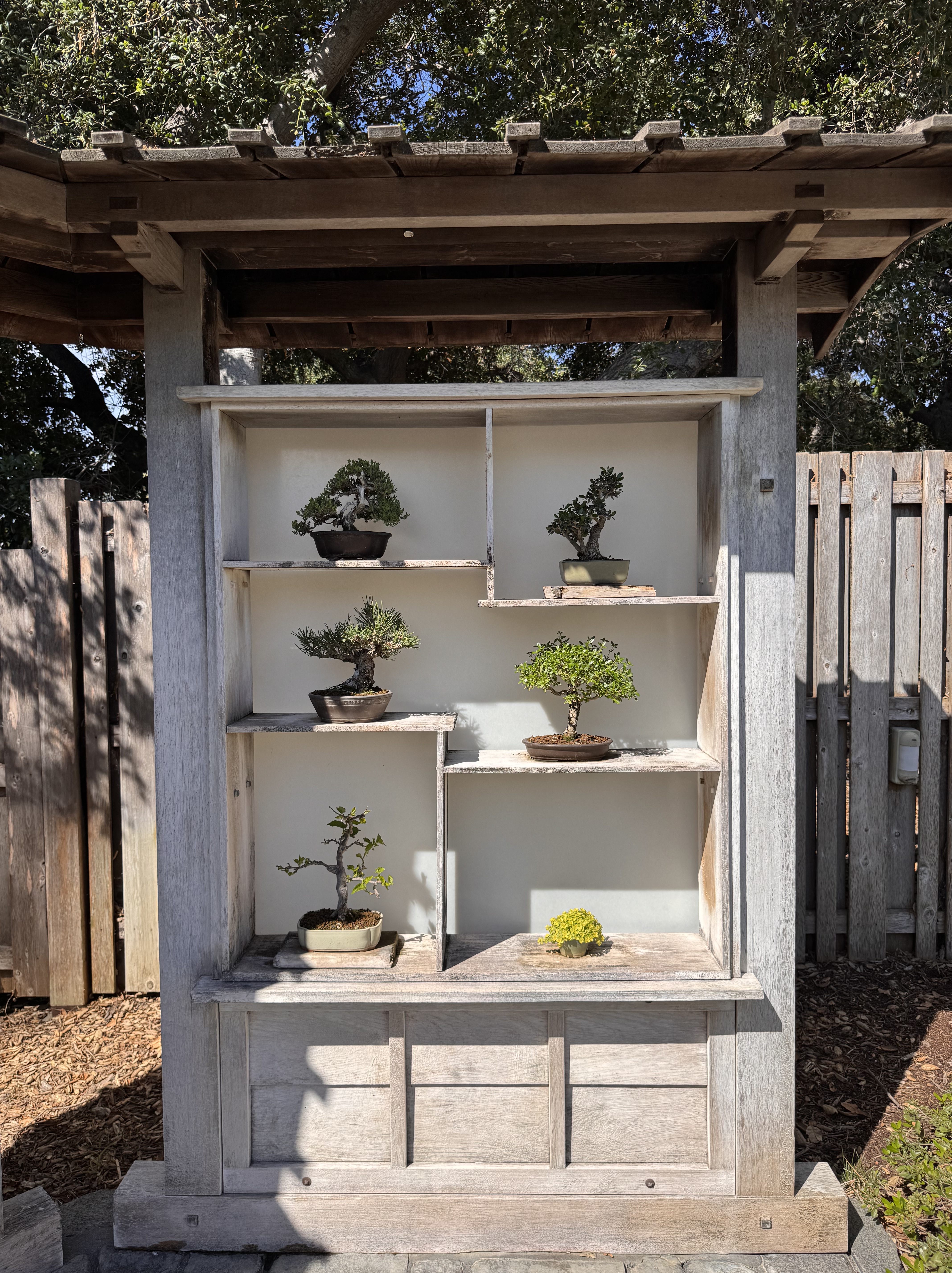
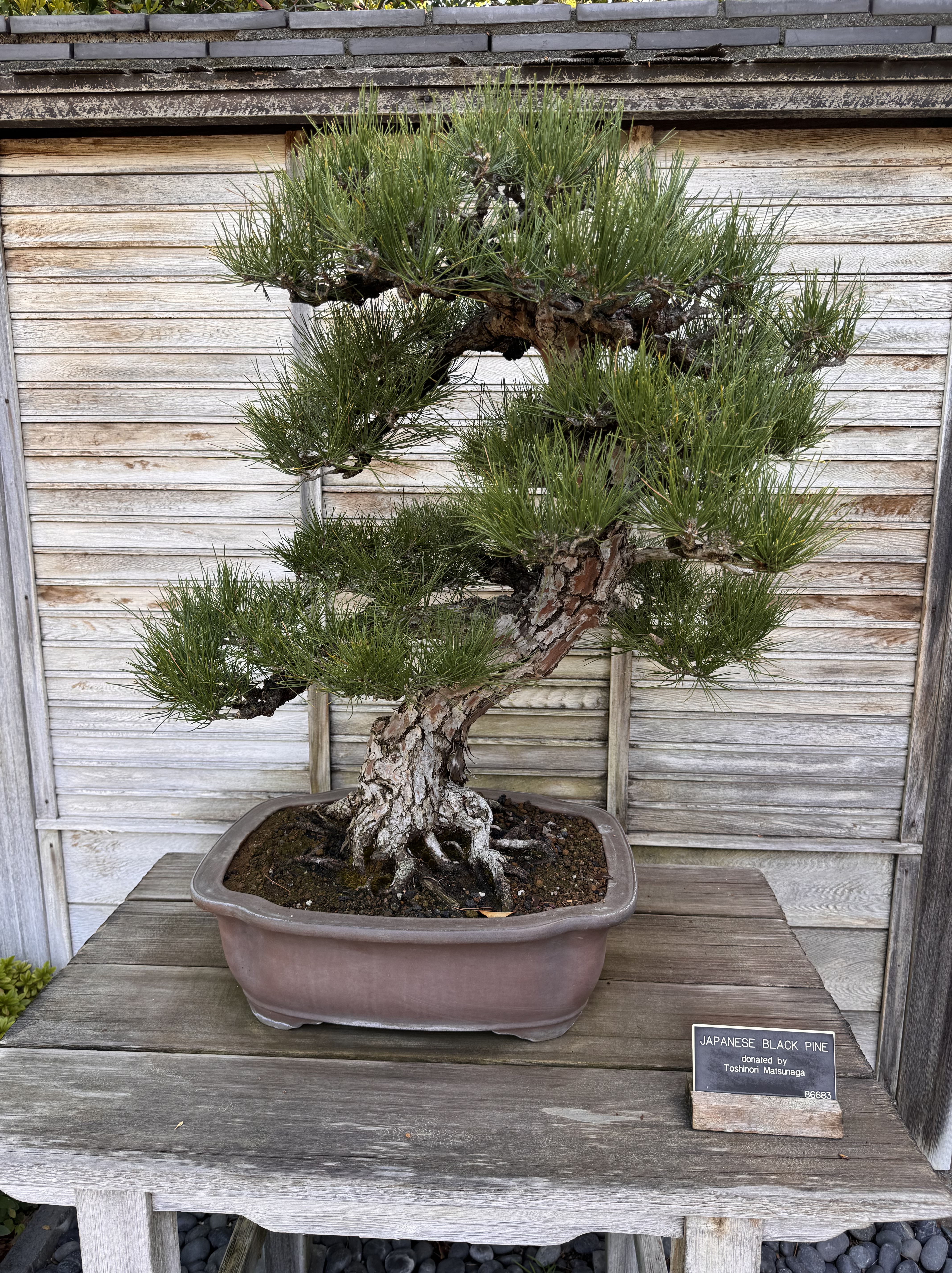
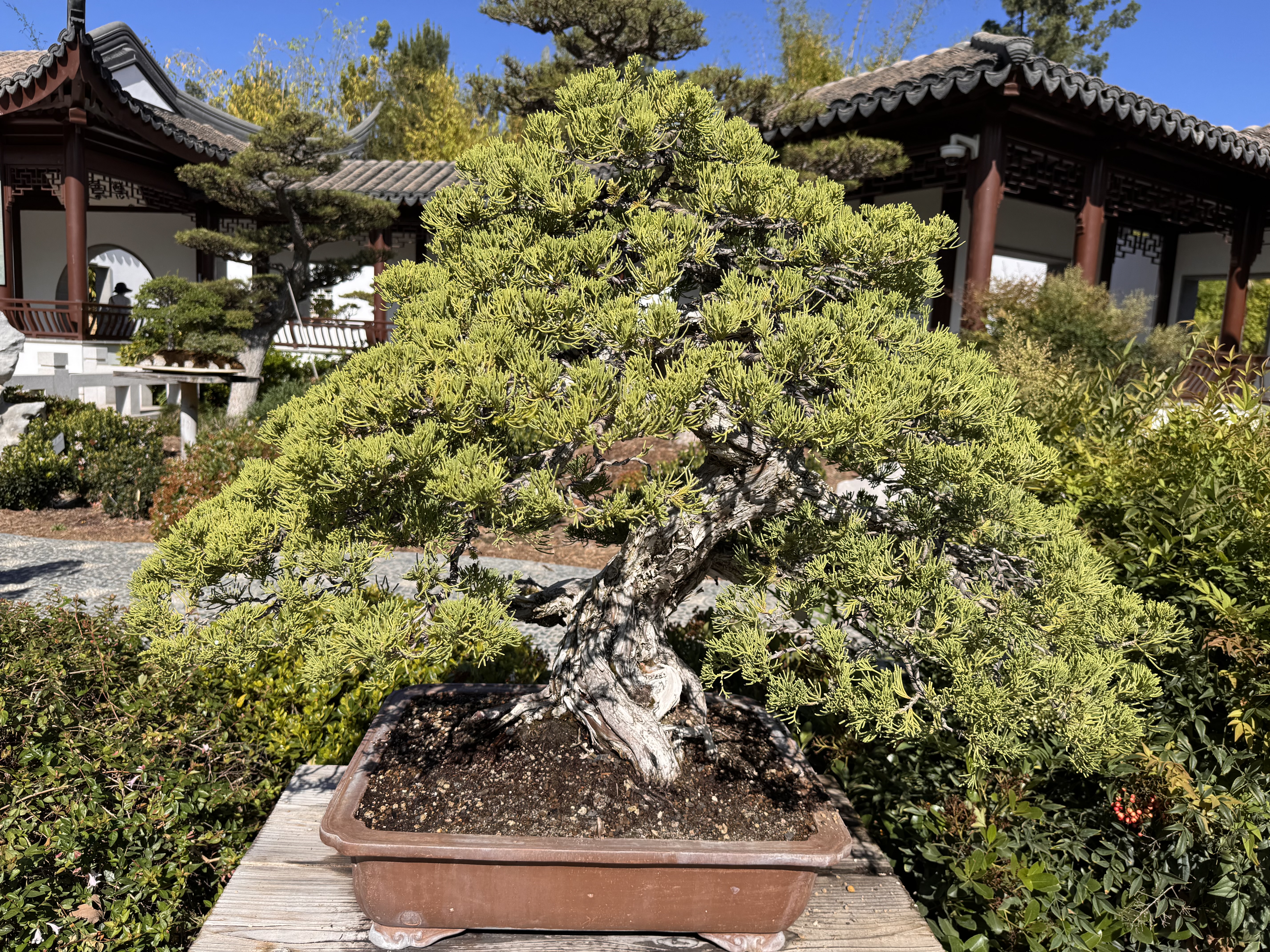
    From there I made my way to the bonsai garden proper, which is organized into two sections. I spent a long, happy stretch of time in the Classical Japanese-style courtyard — beautifully composed trees, each one placed with real intention, the kind of display that rewards slow looking rather than a quick walk-through.
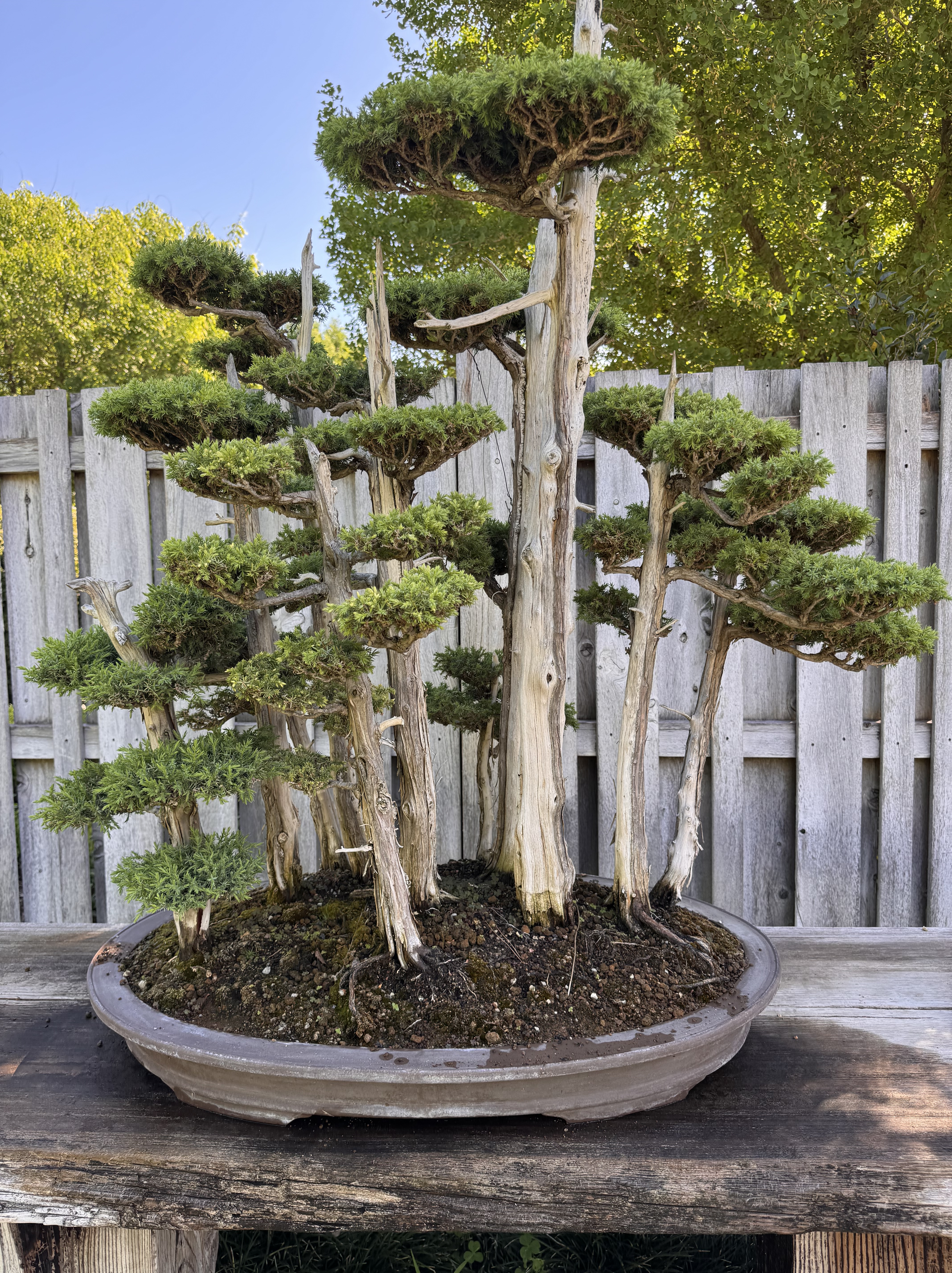
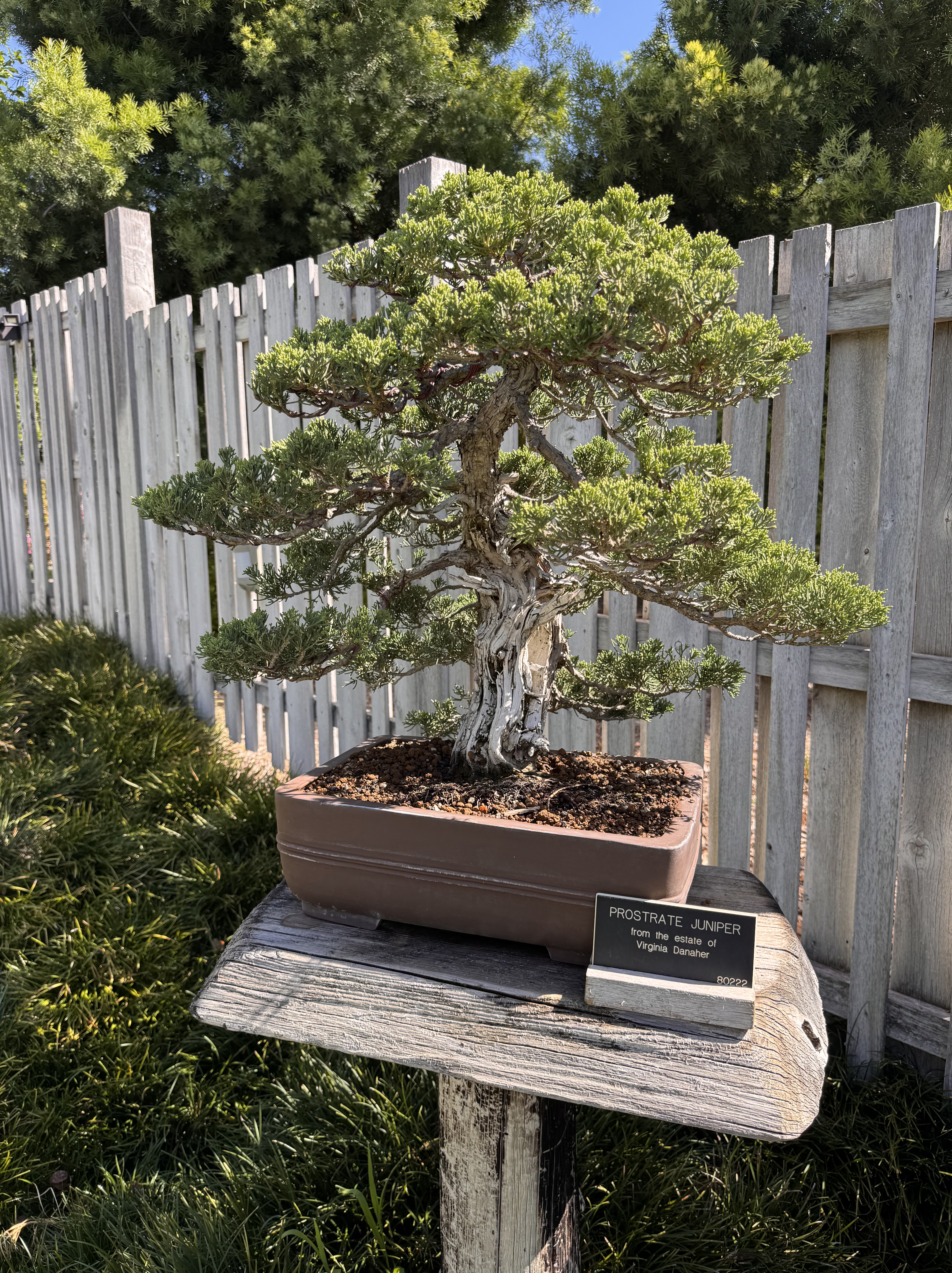
    Daniel’s Nursery — and a 1,400-year-old surprise

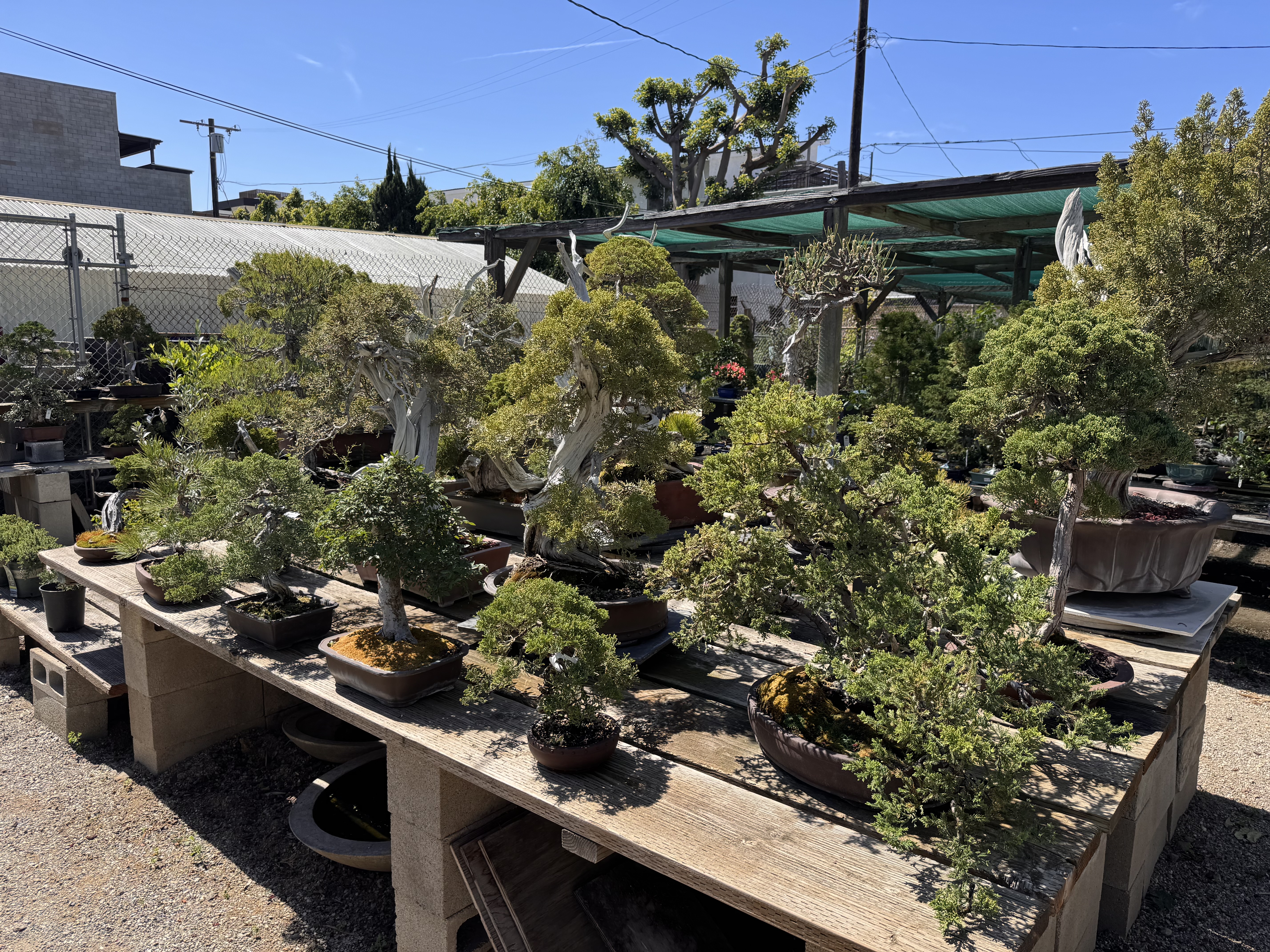
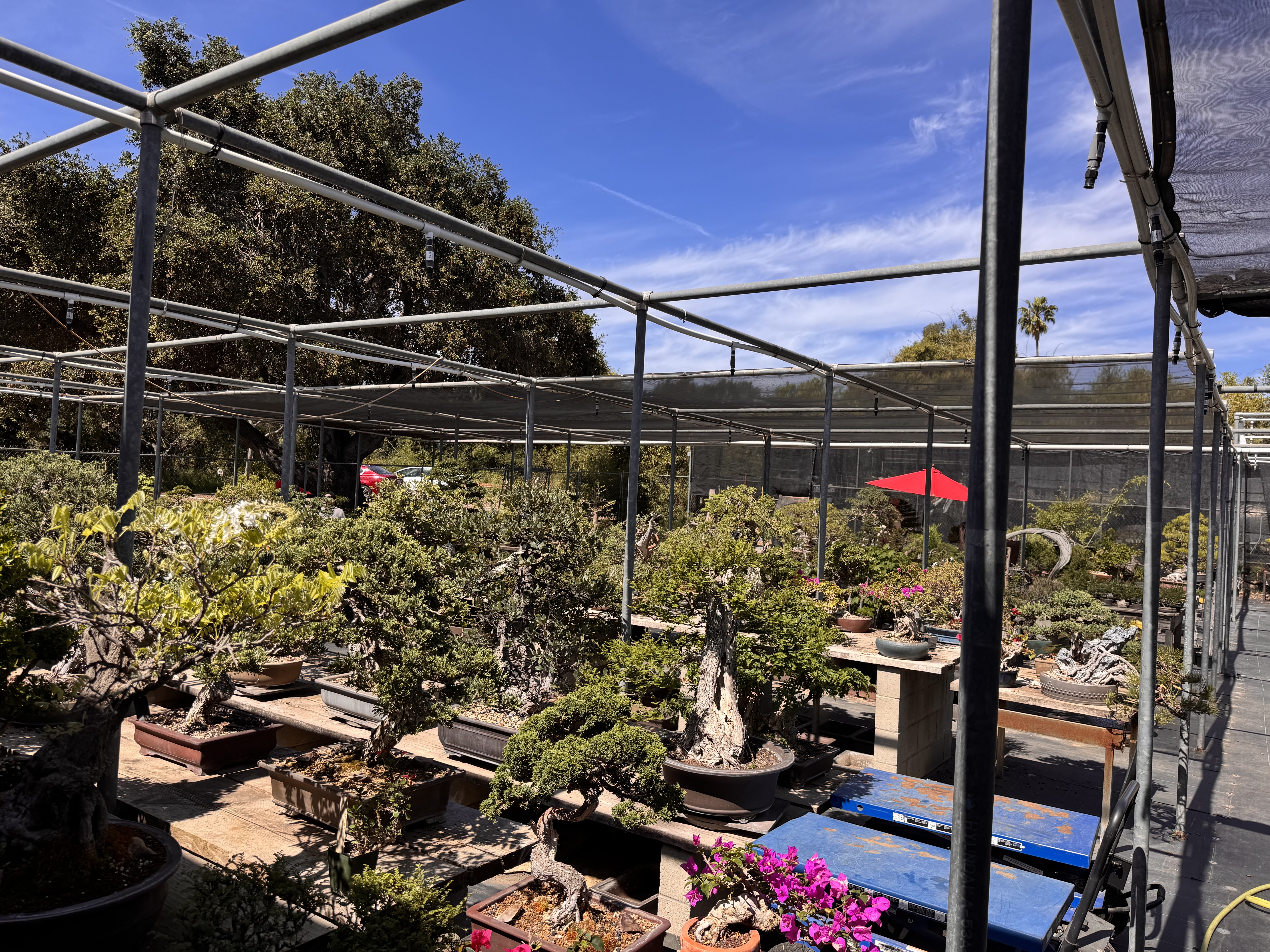
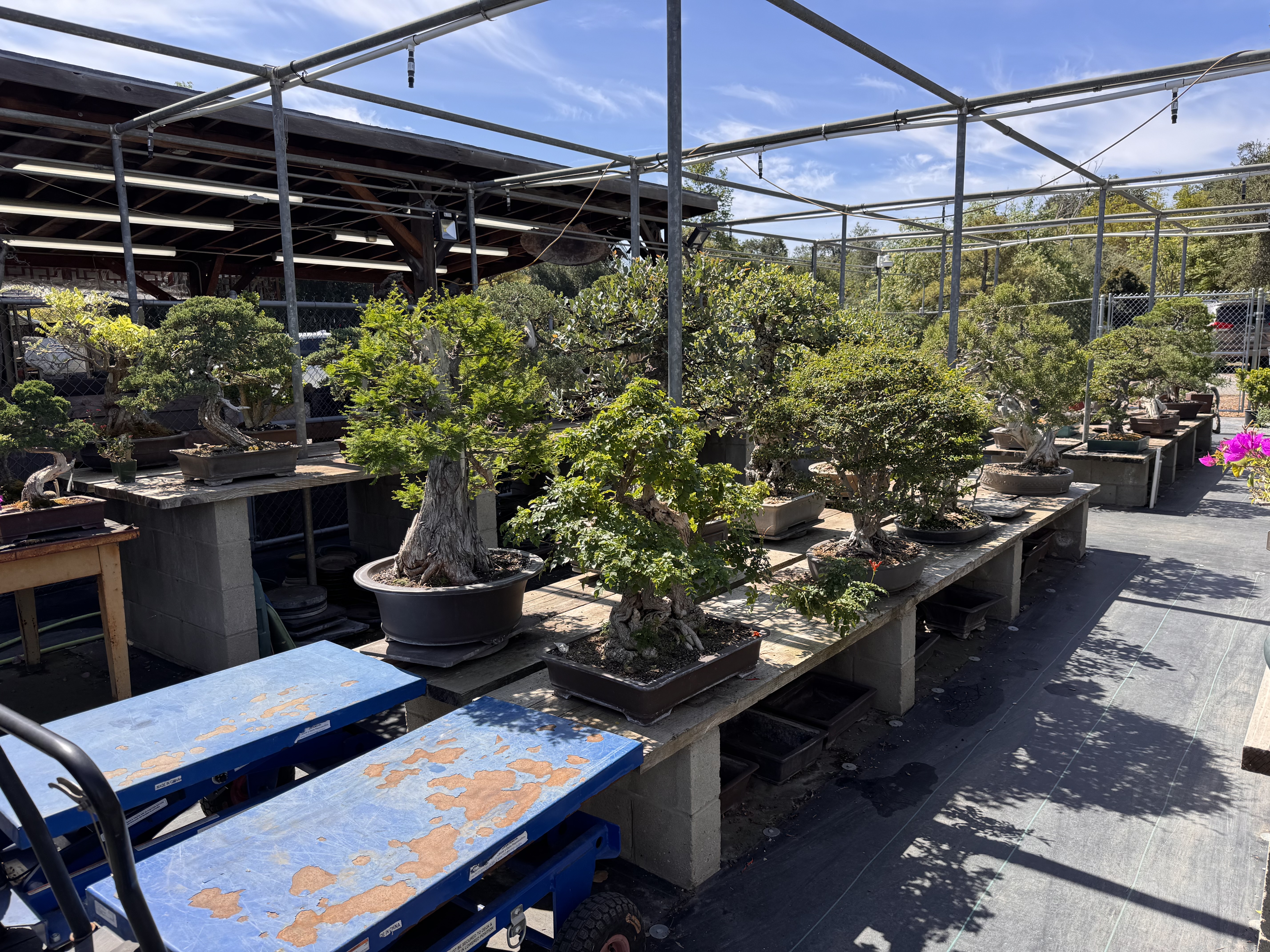
    Then came the part of the morning I’d been most looking forward to: Daniel’s nursery, behind the scenes. I want to say again how genuinely kind it was of him to take a Saturday morning to host a random bonsai enthusiast visiting from Israel — the kind of generosity that keeps showing up in this community, trip after trip.
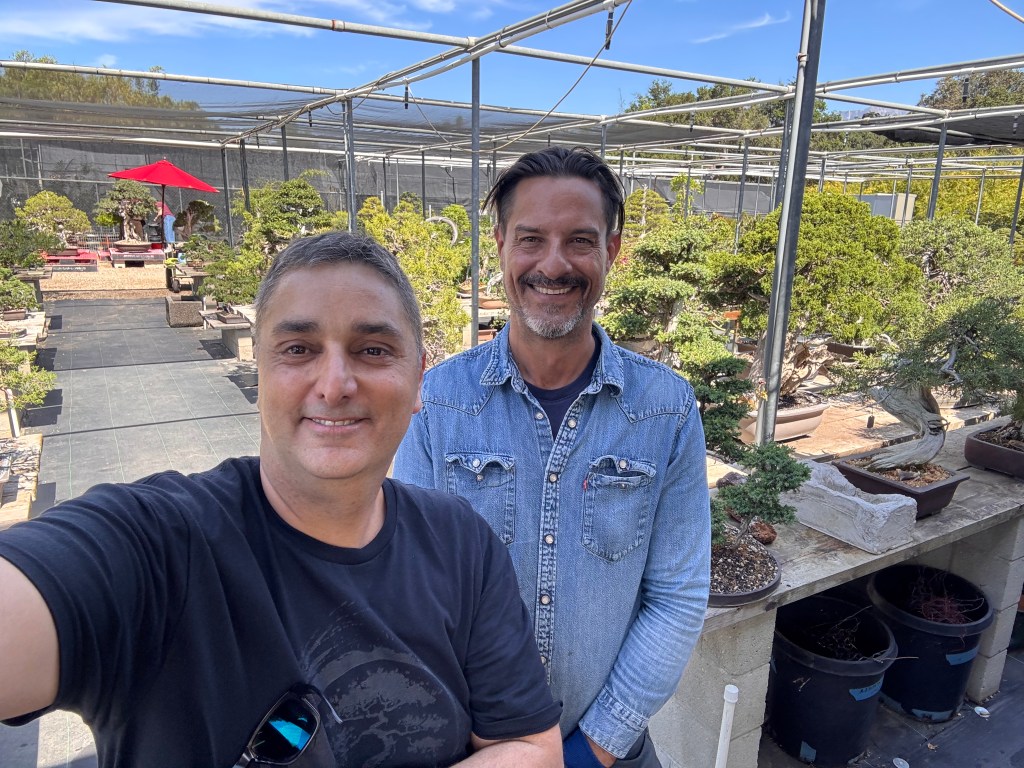
    What surprised me most, honestly, was Daniel himself. I’d expected someone considerably older — every master I’ve met on this journey so far has decades of grey hair to show for their expertise — but Daniel is about my age. I couldn’t help but ask how he’d reached this level, this position, so young. His answer was refreshingly simple: he started bonsai when he was twelve.

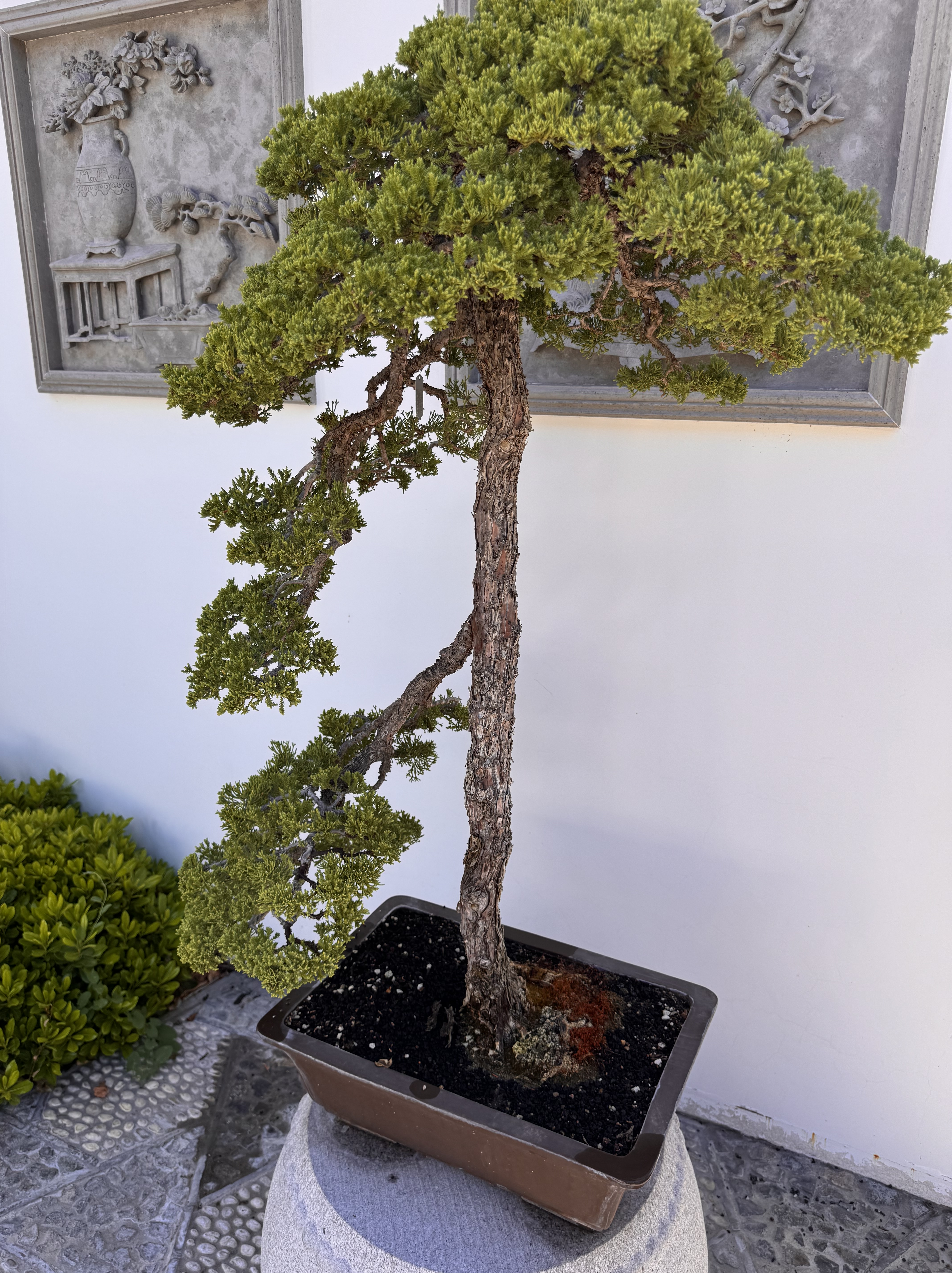
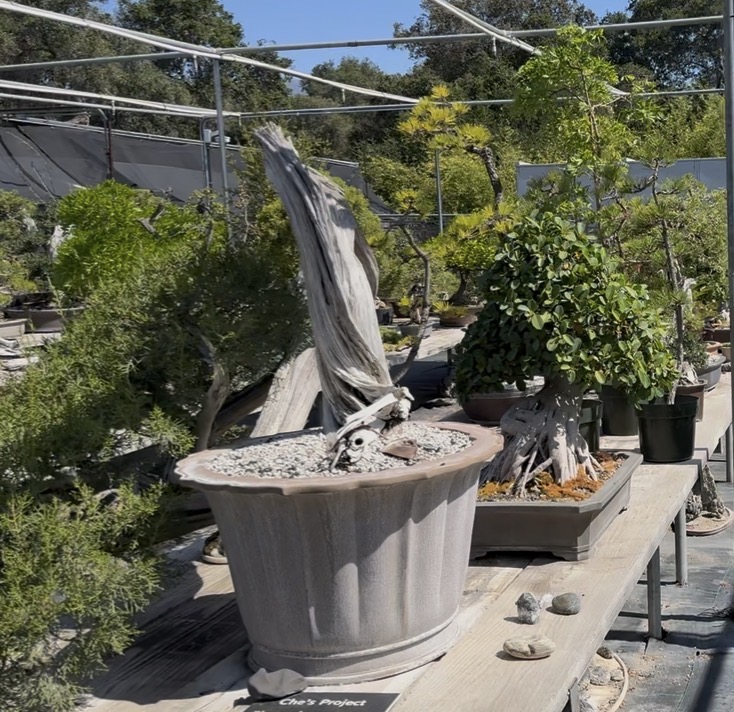
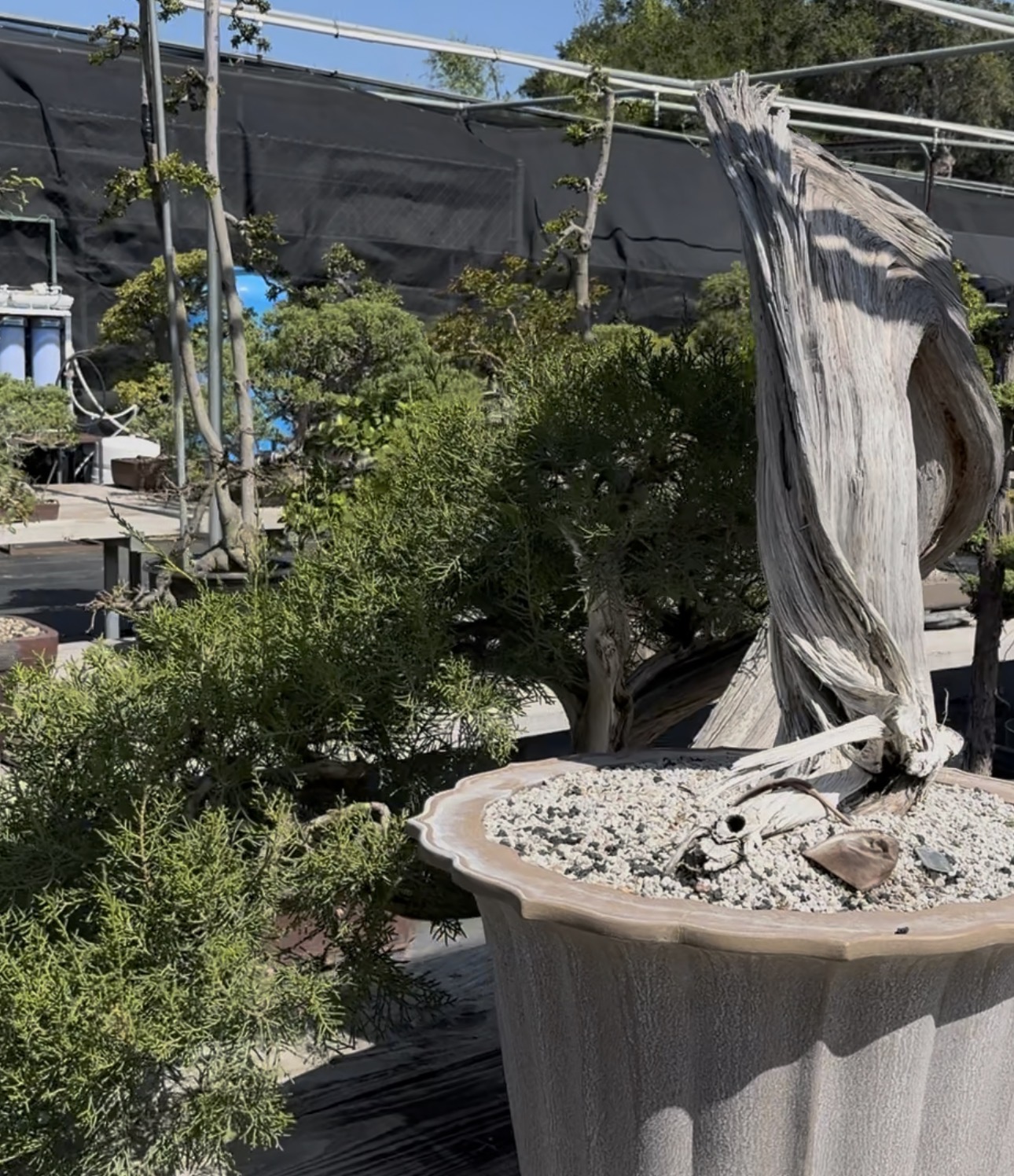
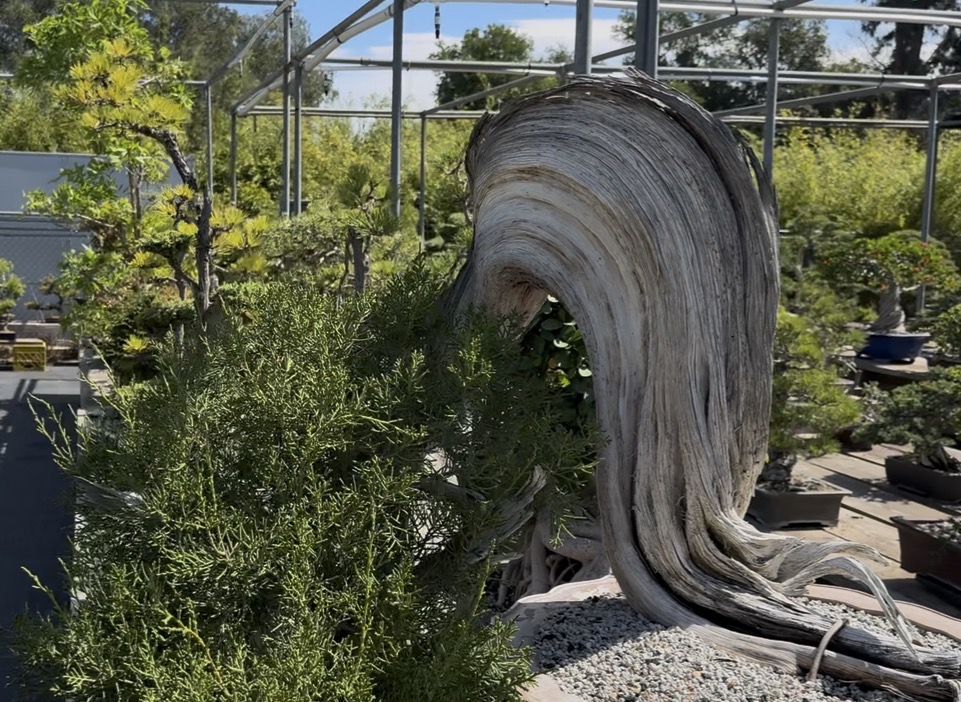
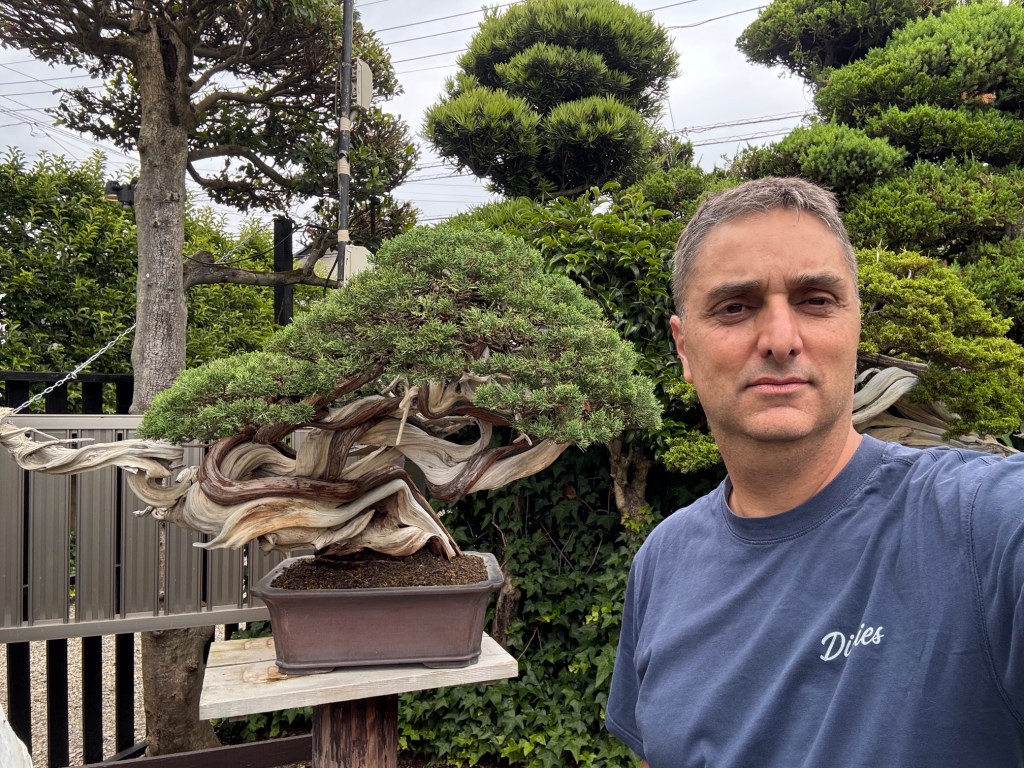
    He walked me through the nursery, tree by tree, and then showed me something that genuinely stopped me in my tracks — a juniper estimated at 1,400 years old. Fourteen centuries, alive, in a pot, in front of me. It’s one thing to read a number like that. It’s another thing entirely to stand next to the tree.
    Heading back

    I left the Huntington that morning quietly full — the kind of full that comes from beauty, not food. It’s remarkable how much a single tree, or a single conversation with someone who’s spent forty years with trees, can put the rest of your week into perspective. I headed back to the hotel to shower, change, and get my head back into meeting mode for the week ahead in Santa Monica.

    But don’t worry — this wasn’t the end of the US bonsai run. Next weekend had more in store. More on that soon.
  • A Quiet Detour to Kew: Bonsai Between Meetings

    A Quiet Detour to Kew: Bonsai Between Meetings

    Two weeks ago I was still standing in Kimura’s garden, still smelling the incense at Hōshun-in, still carrying home a Gyouzan pot wrapped in more hope than bubble wrap. Japan does that — it doesn’t really let you leave. And then life does what life does: a leadership workshop pulled me to London, jet lag barely settled, suitcase barely unpacked.

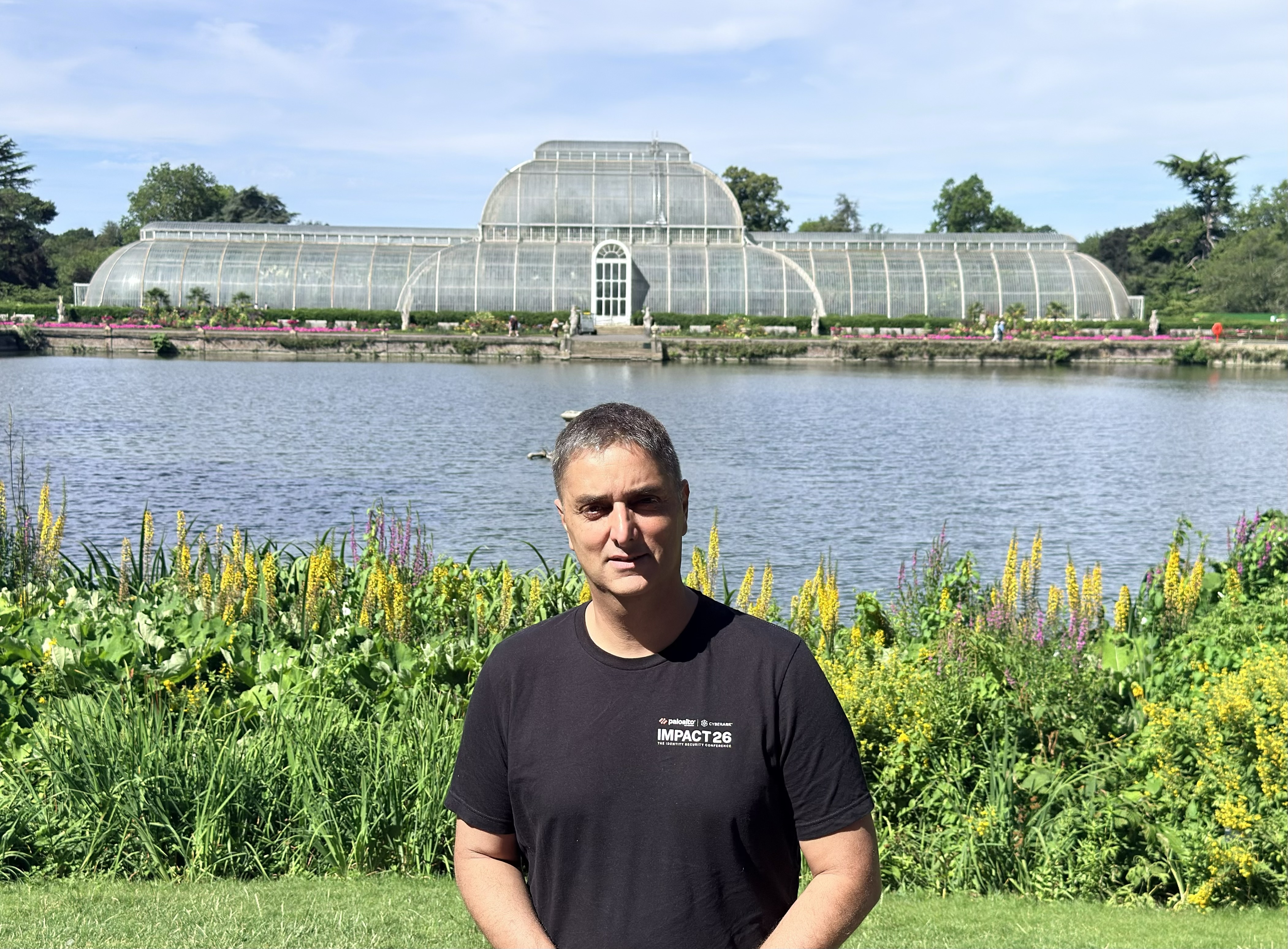
    I’ve been to London more times than I can count. Usually for Business meetings but also the occasional wander through the touristic scene between flights. But I had never once thought to ask whether this city — so full of gardens, so in love with its own green corners — had a bonsai story of its own. Turns out it does, tucked into Kew Gardens.

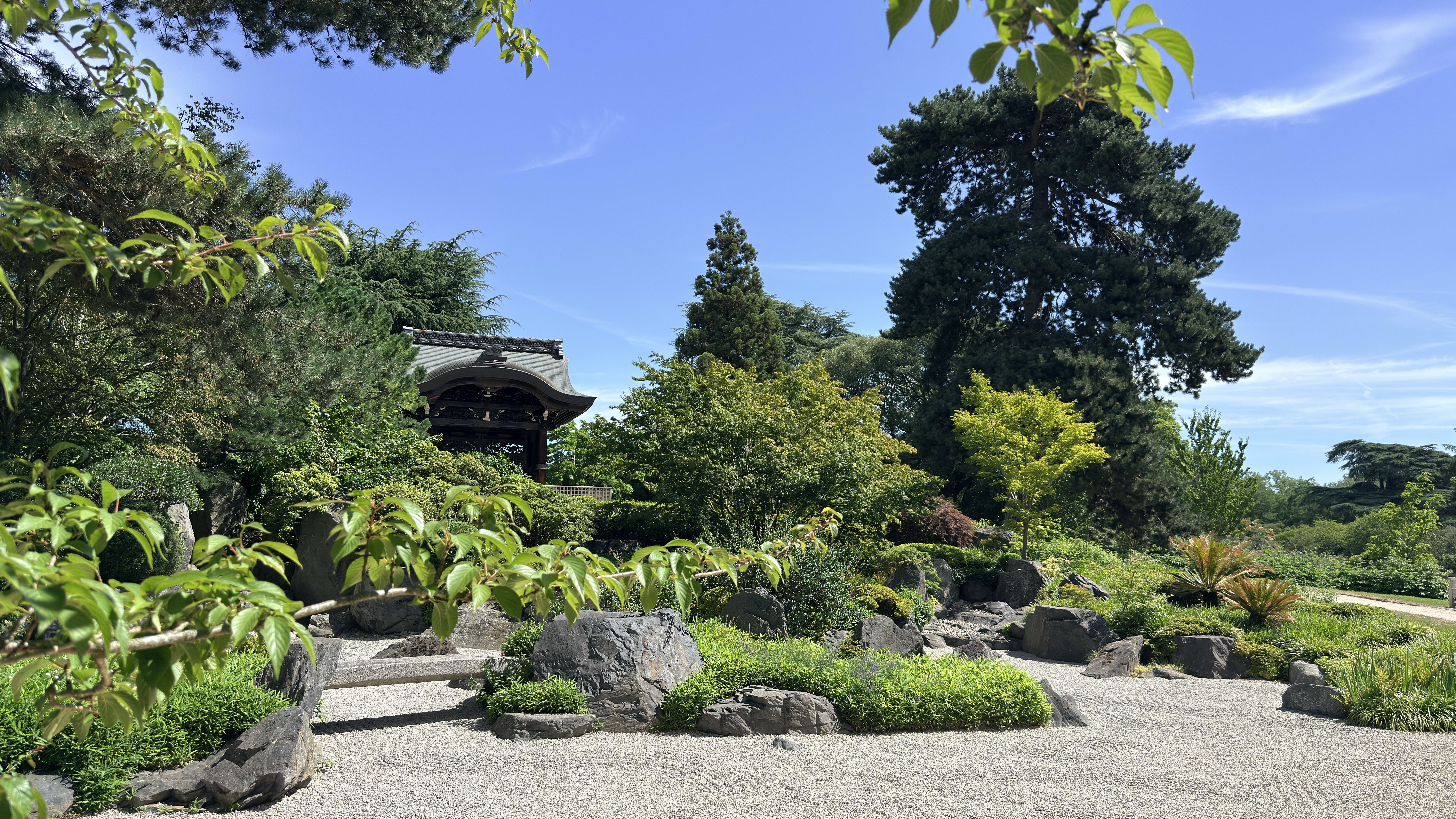
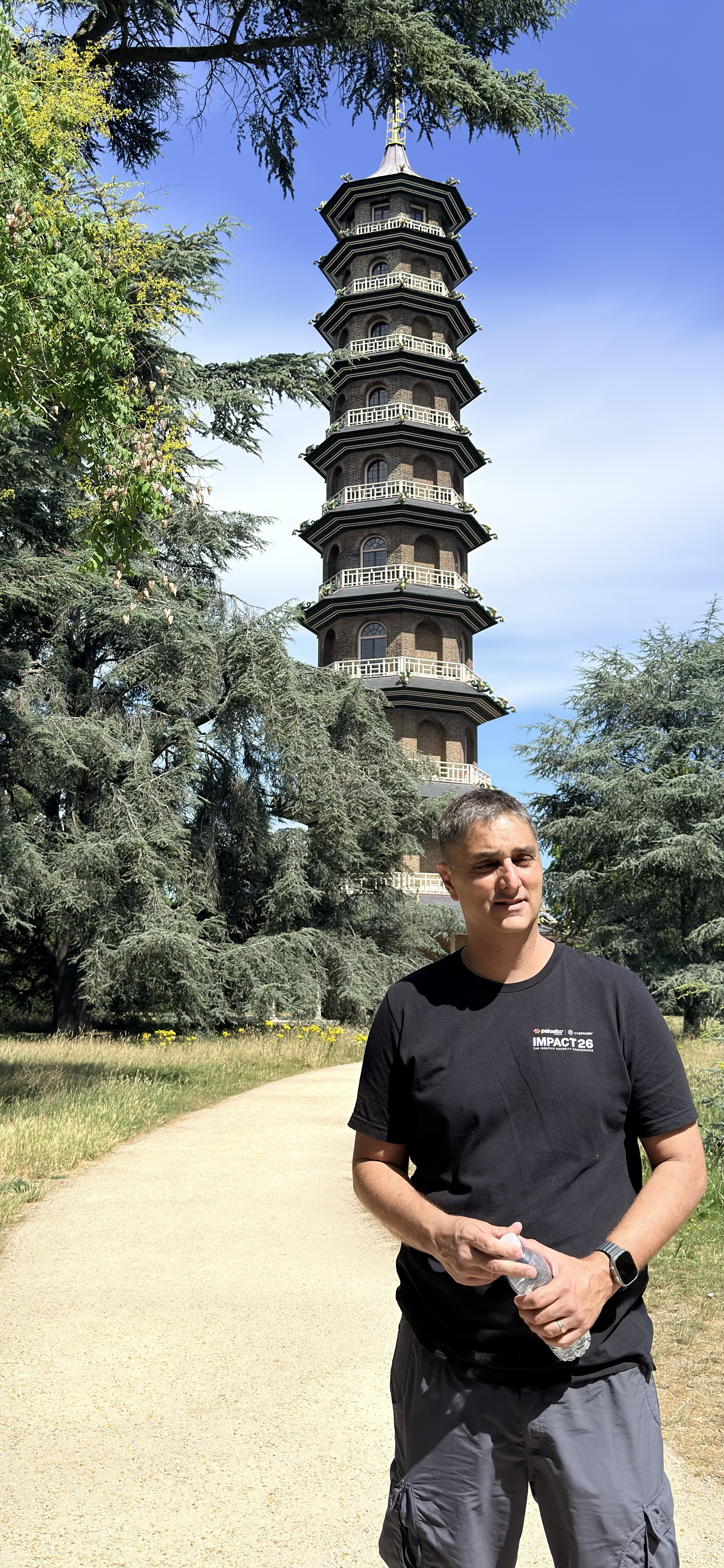
    A word on Kew, for anyone who hasn’t been. The Royal Botanic Gardens date back to 1759, which means they were already old by the time most of my bonsai are just seedlings in someone else’s imagination. It’s a UNESCO World Heritage Site, spread across some 132 hectares in the middle of a city that could easily have swallowed the land for something more profitable. I found myself genuinely admiring that restraint — that a place this valuable, this central, was left alone to just grow trees for the sake of growing trees. The Great Pagoda has been standing since 1762, and Kew even has its own slice of Japan inside it: a Japanese Gateway and garden built around a four-fifths scale replica of a Kyoto temple gate, brought over from the 1910 Japan-British Exhibition. So the Japan thread runs deeper here than I expected.

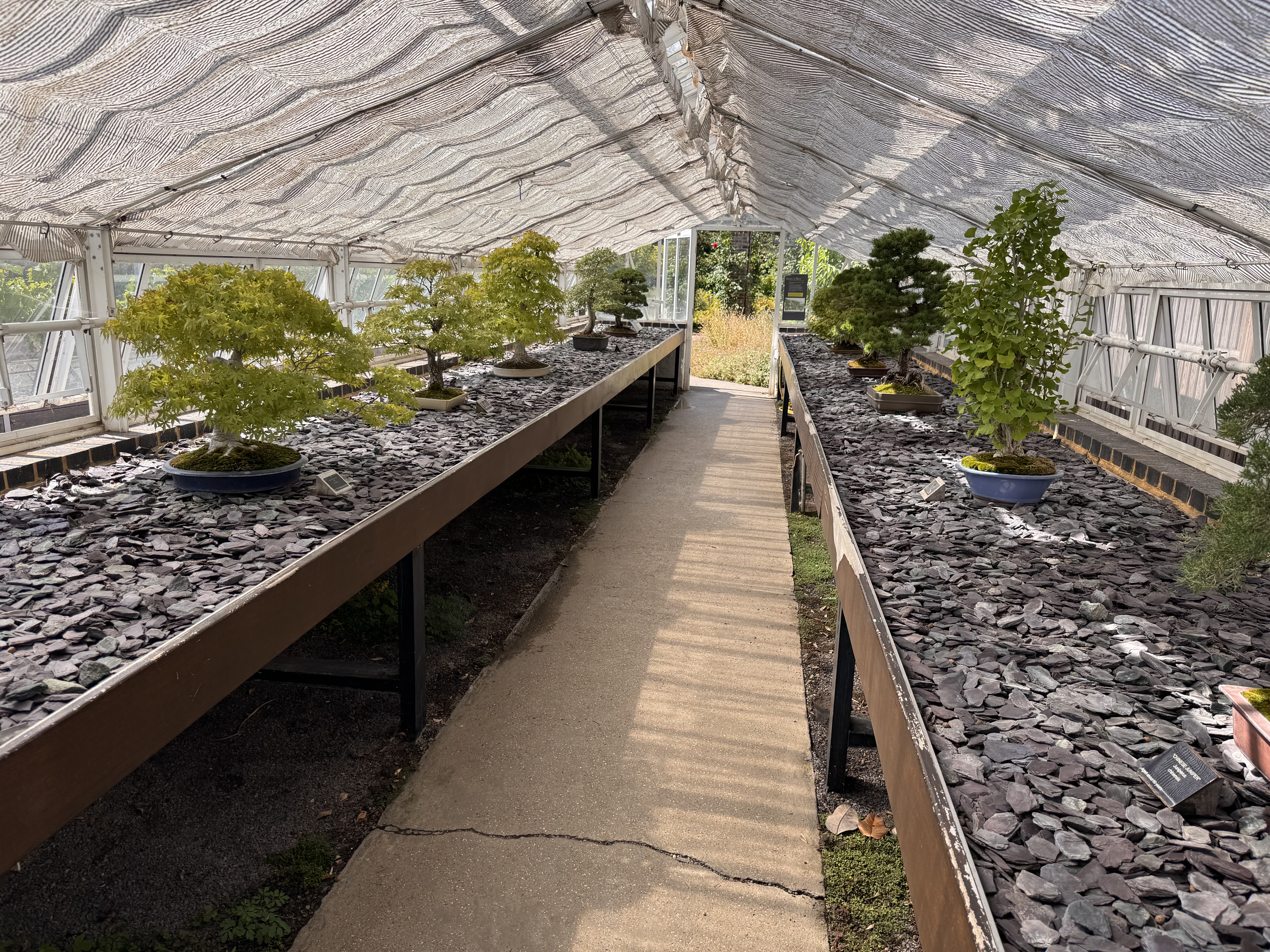
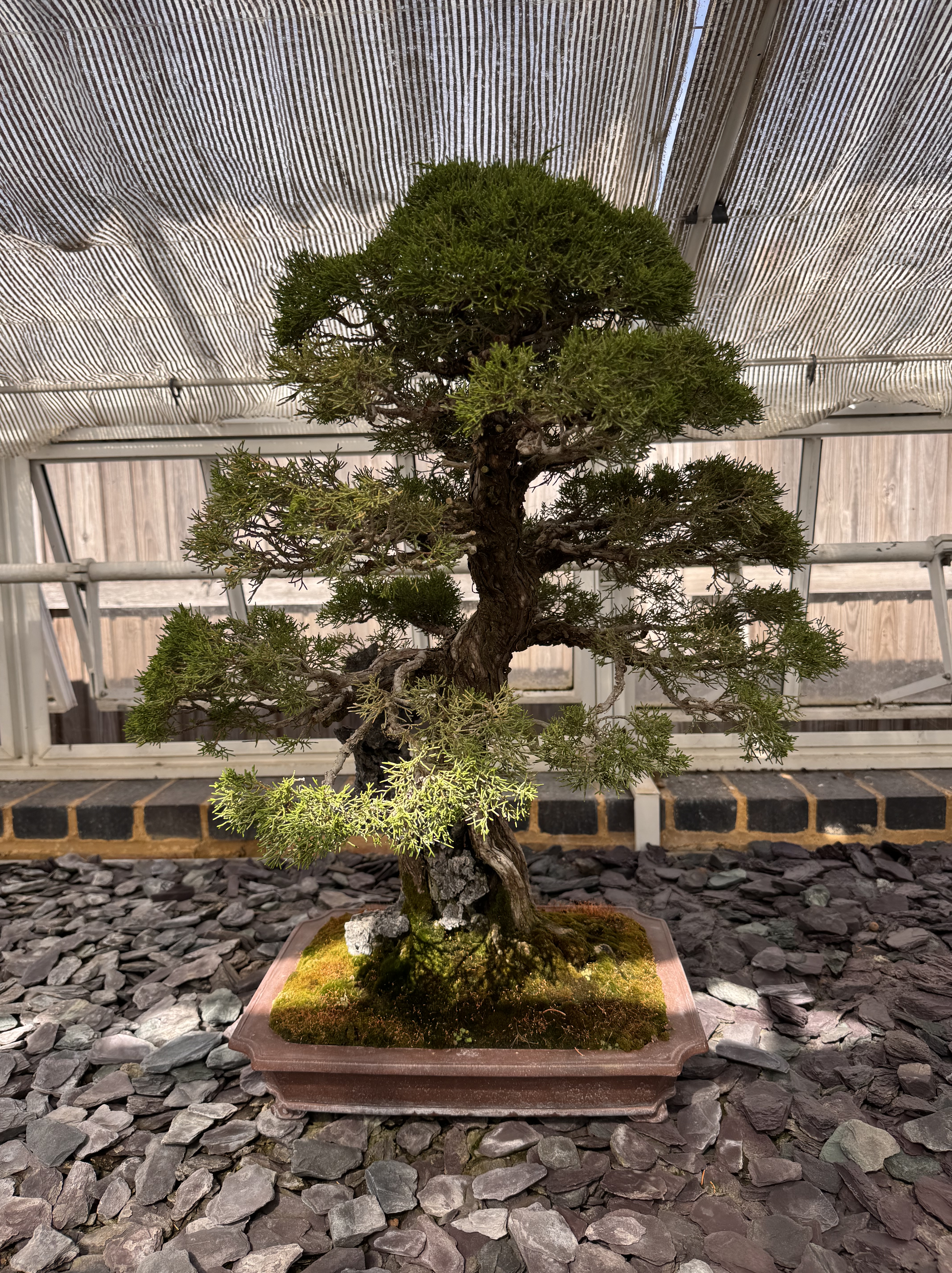
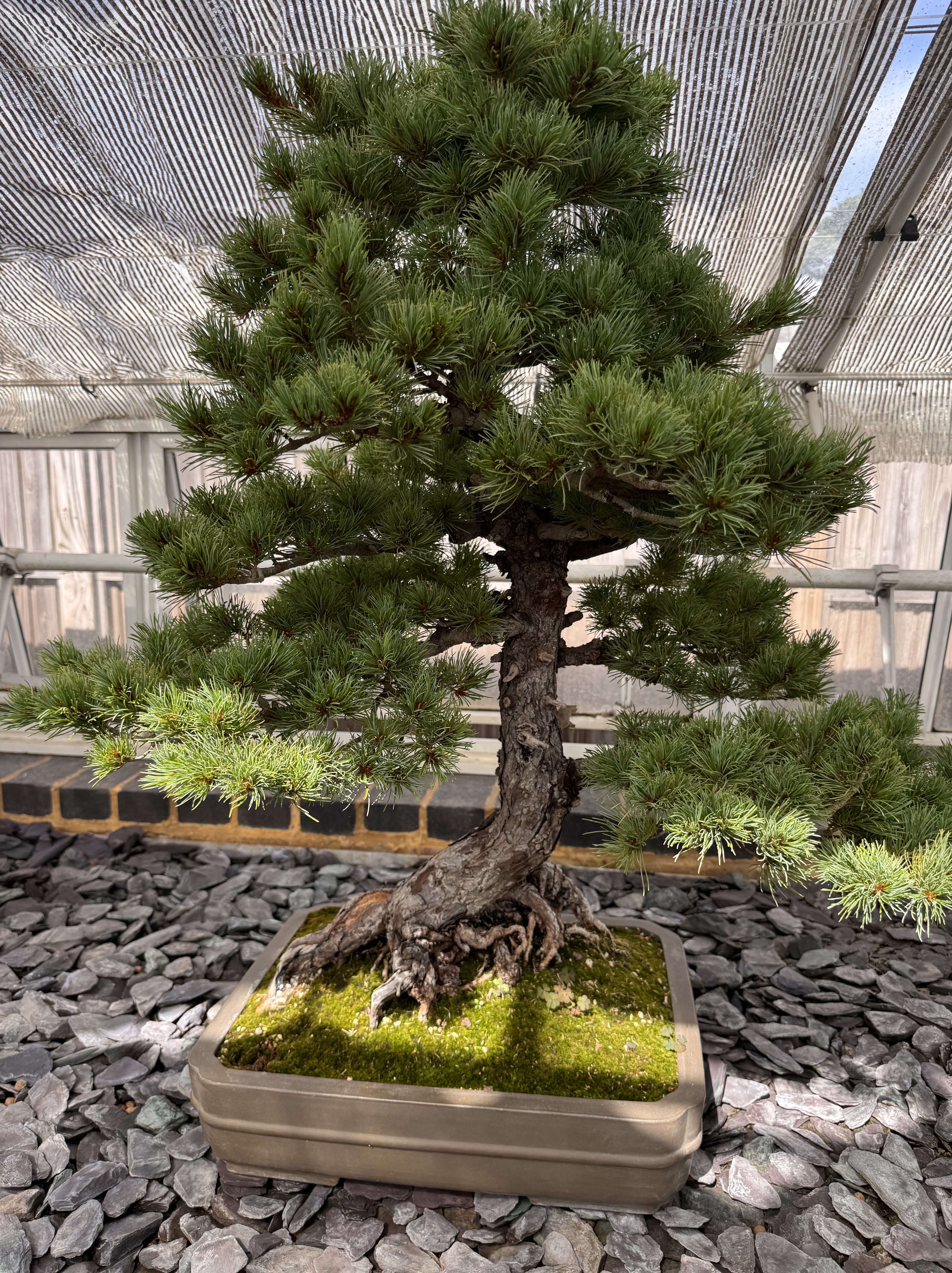
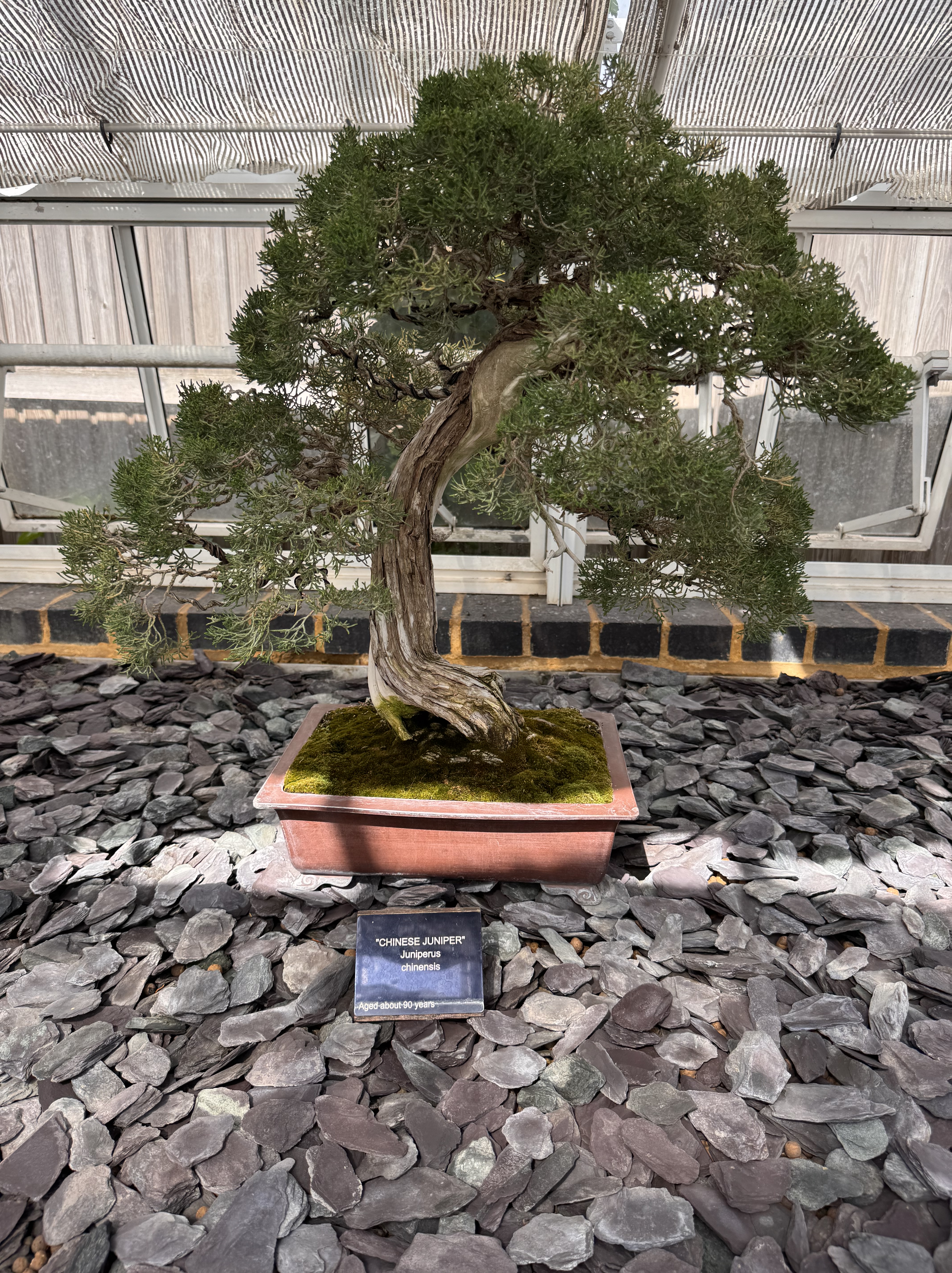
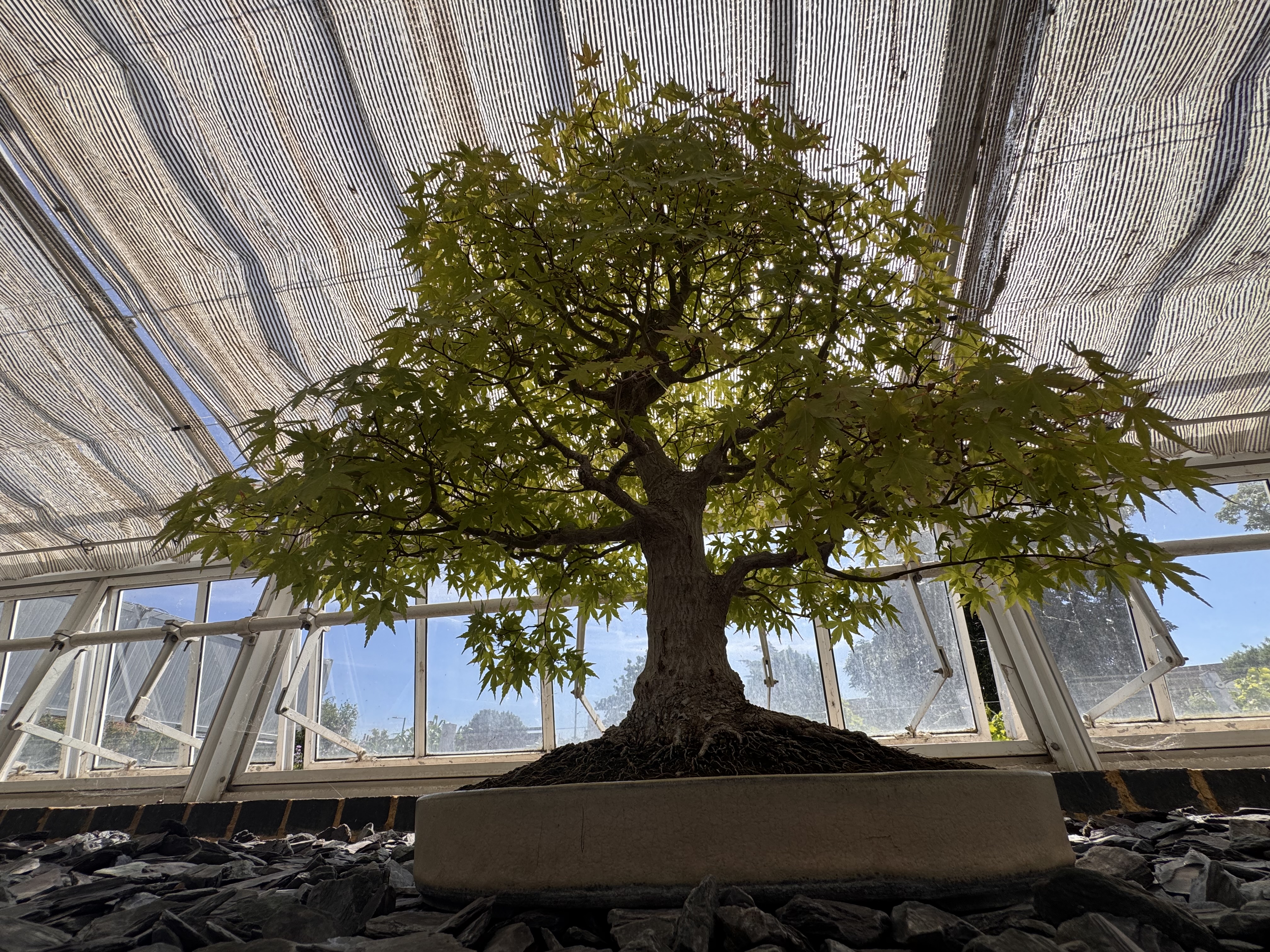
    The bonsai house itself is a modest building near the Davies Alpine House, and modest is the right word for the collection too — somewhere around 60 to 80 trees, cared for by Kew’s long-time bonsai specialist. Many of the original trees came from a single generous donation decades ago, and the oldest among them have been sitting in their pots for close to two centuries. Small in number, but not without weight.

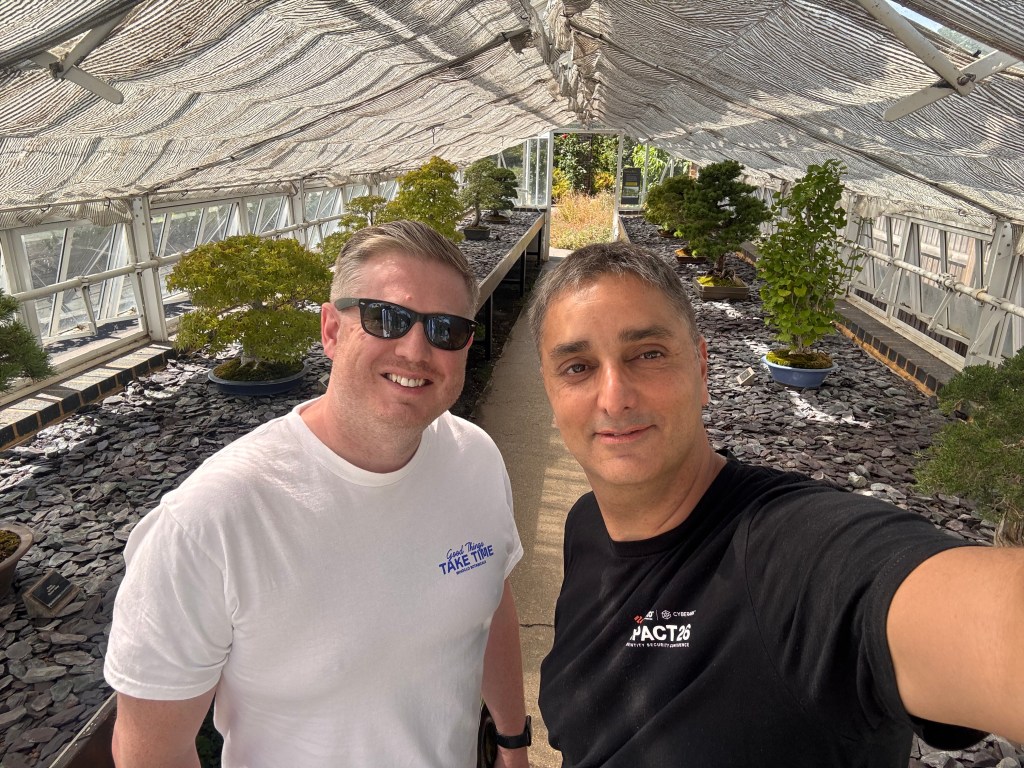
    I carved out an early morning before the workshop started. Uber over, quick entry, straight for the bonsai walk — though “straight” is generous, since I couldn’t resist slowing down through the wider gardens on the way.

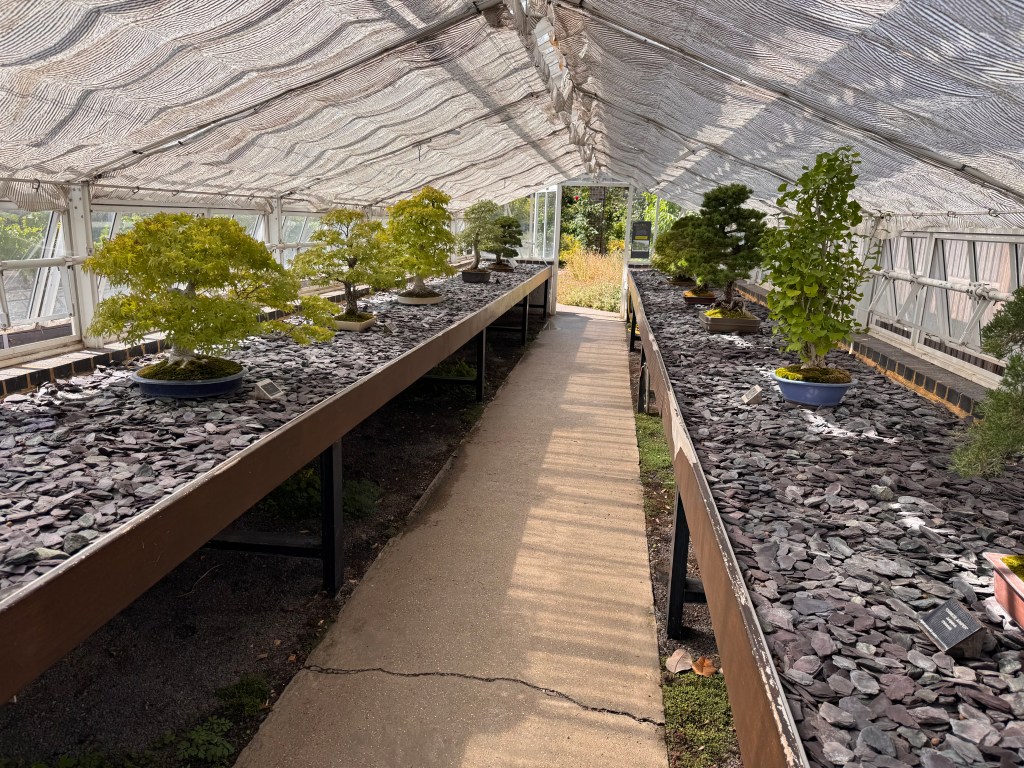
    The collection, when I reached it, was smaller than I’d built up in my head — maybe twenty trees on display that morning. And here’s the strange thing about coming home from a pilgrimage like Japan: your eye changes. I found myself doing the thing my teacher Shai would do — pausing at a trunk and quietly noting the roots that hadn’t been worked enough, three branches sprouting from the exact same point on a trunk, which is about as close to a cardinal sin as bonsai has. A few weeks ago I wouldn’t have seen any of it. Now I couldn’t not see it. And yet — imperfections and all — I’d have taken any single one of those trees home in a heartbeat. That’s the joke of this hobby: you get more critical and more covetous at the same time.

    Jamie joined me. We’ve worked together for about fifteen years, and this was his first real exposure to my new obsession. He asked all the right questions — the kind that tell you someone is actually looking, not just being polite. Jamie has a photographer’s eye already, so it wasn’t a huge leap for him to start reading a tree the way you’d read a composition: line, balance, negative space. I have a quiet feeling he could get seriously good at this if he ever let the hobby in the door.

    We spent about half an hour there, and I found myself doing my favorite thing — explaining what worked, what didn’t, and why. Jamie kept coming back to the pots, which I loved. It’s an easy thing to overlook if you don’t know to look for it, but the pot is doing real work: a masculine pot — heavier, more angular, deeper — grounds a powerful, aggressive tree; a feminine pot — softer curves, lighter, shallower — lifts something delicate and refined. Get it wrong and even a beautifully styled tree can look like it’s wearing someone else’s shoes.

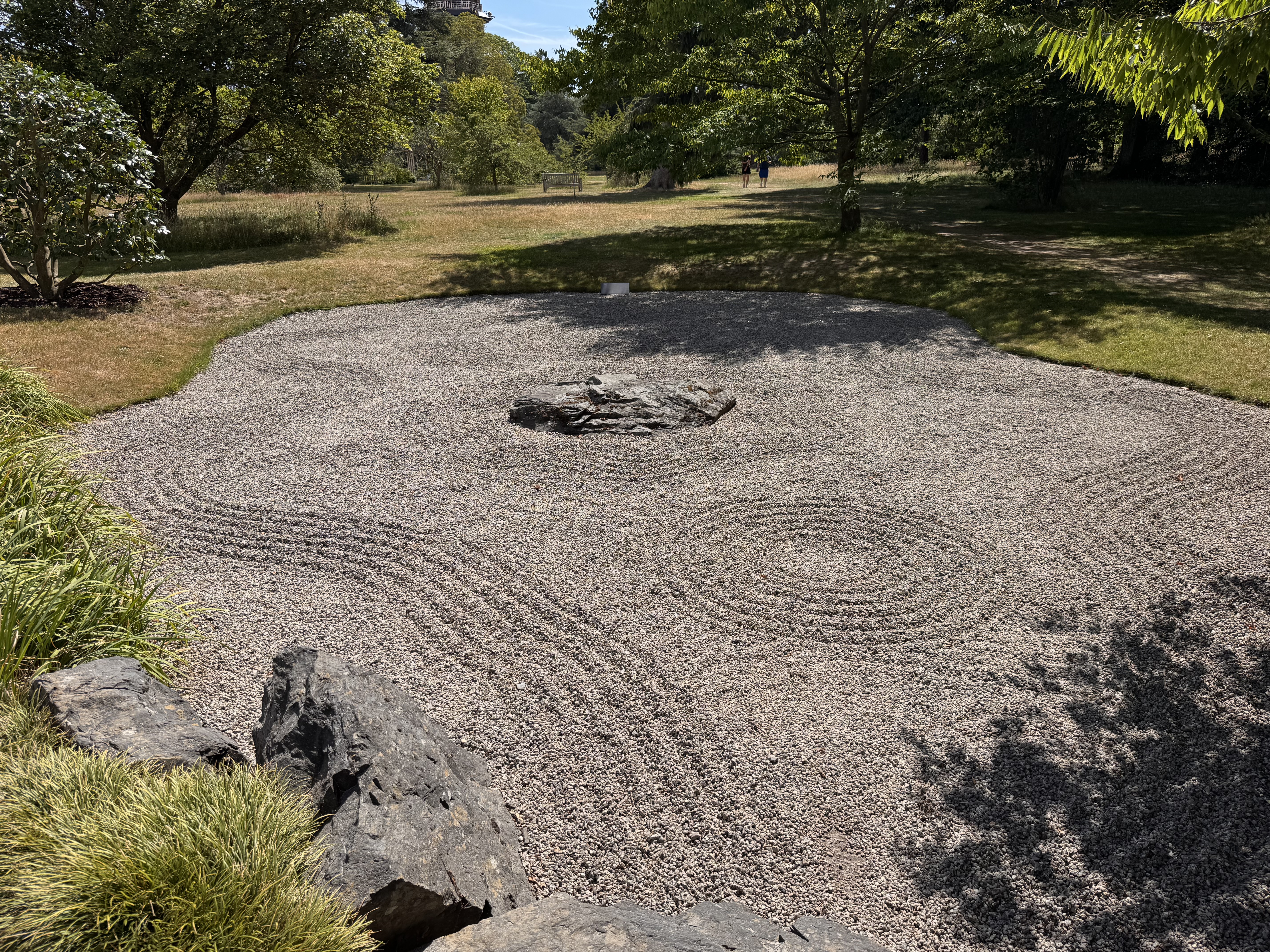
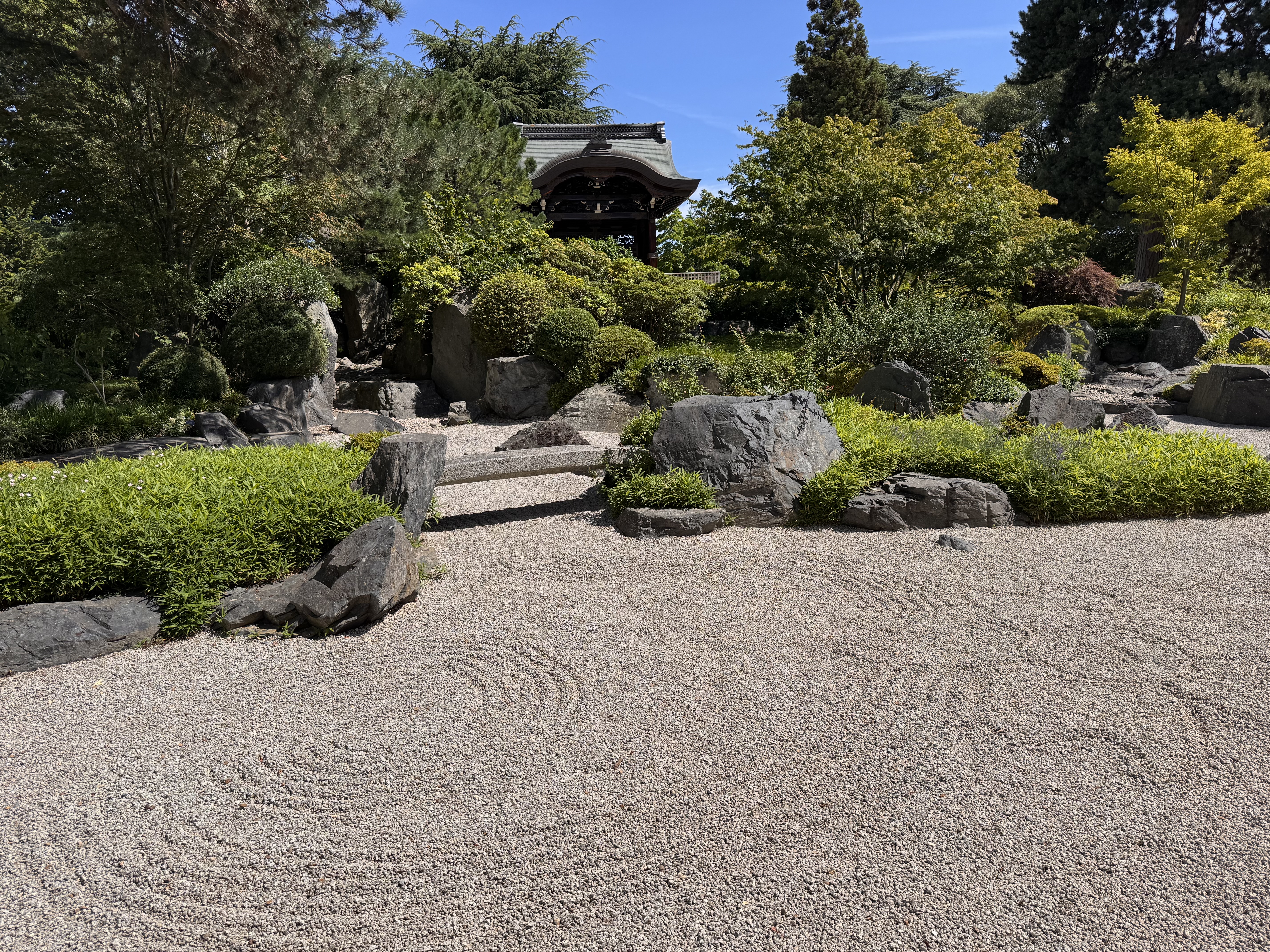
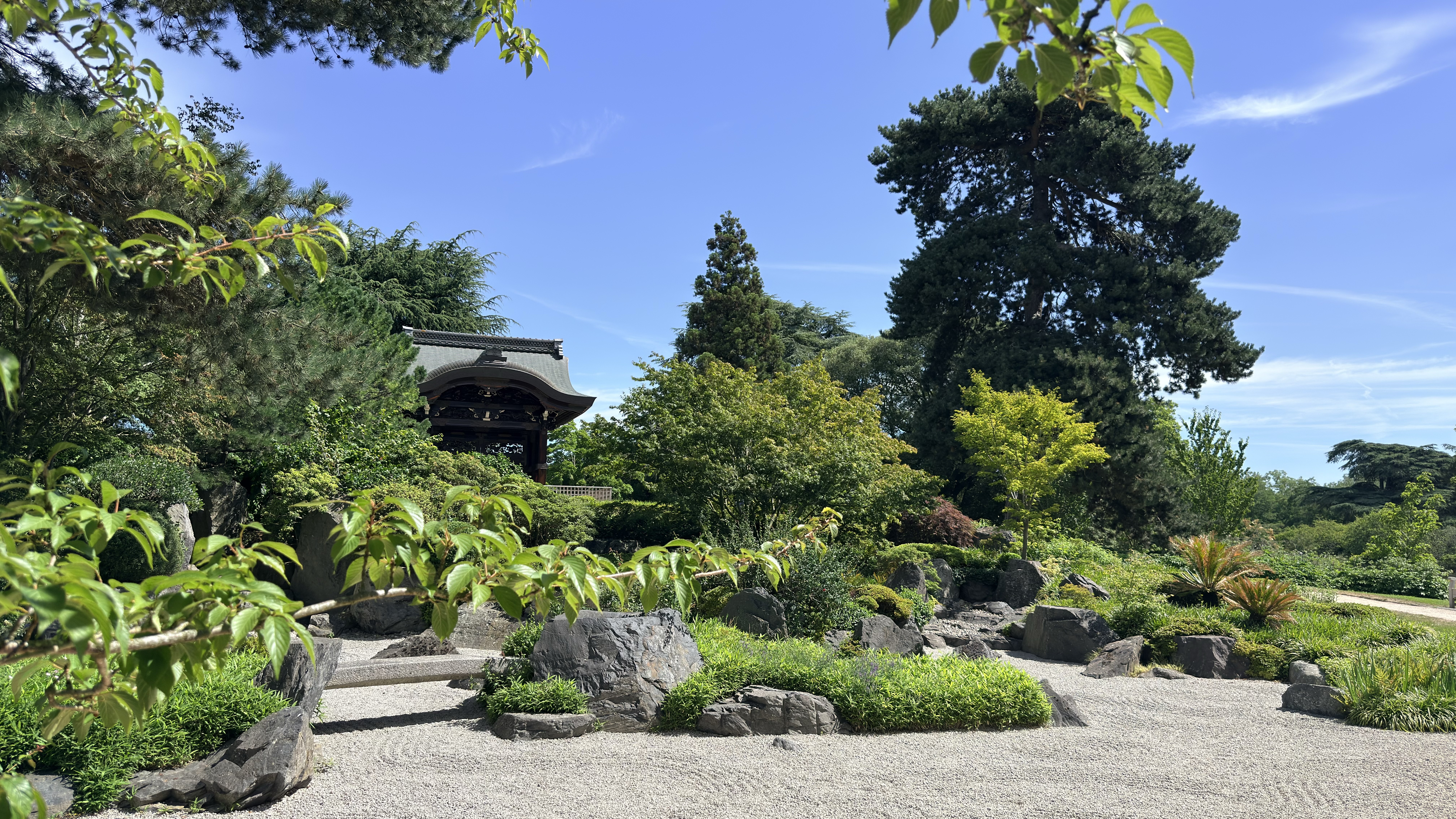
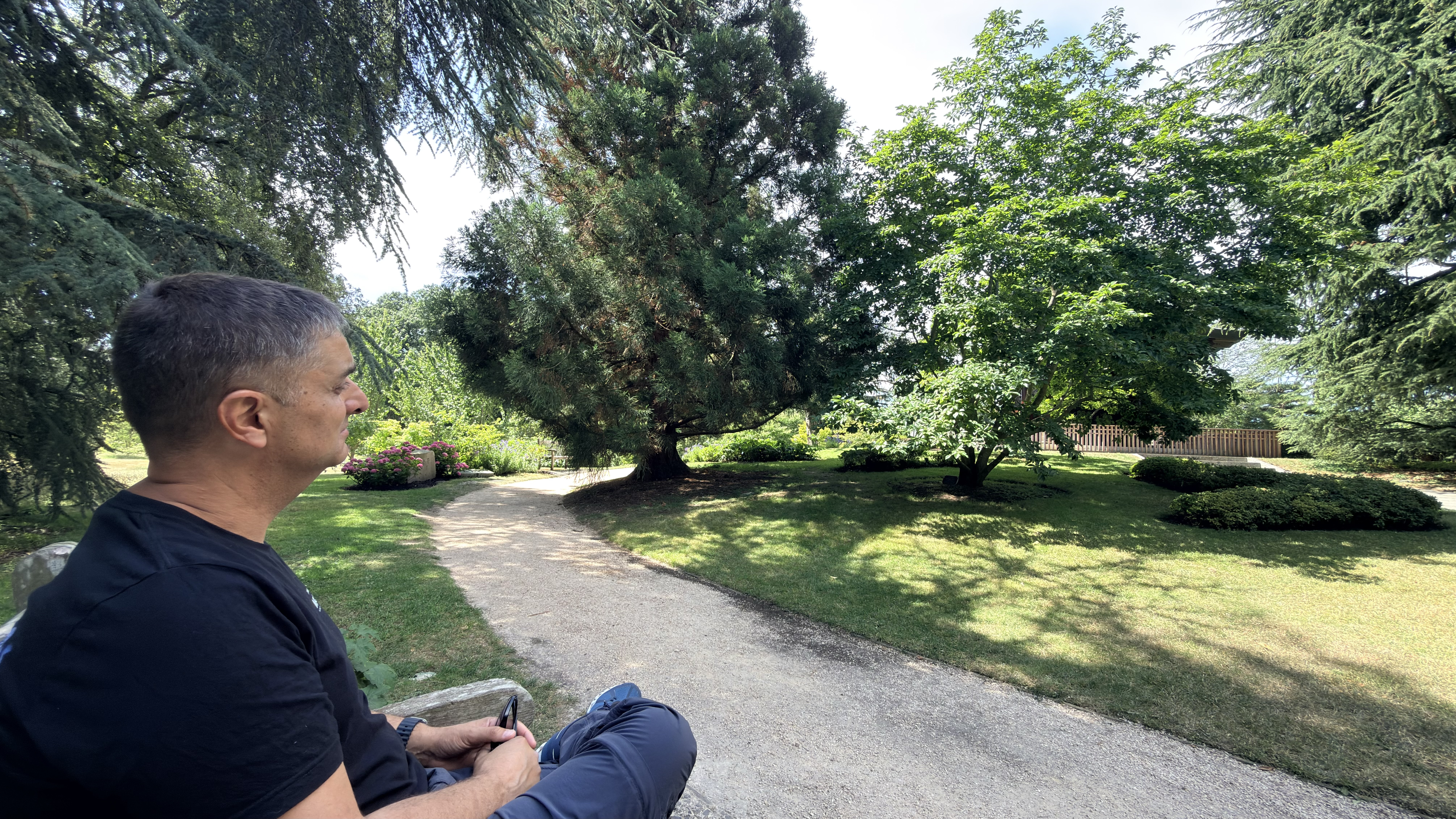
    On the way out we wandered through Kew’s own Japanese garden — the pagoda, and a rock garden built in the zen tradition. It isn’t Kyoto. It doesn’t try to be. But there was something honest about it, a very English attempt at stillness, and I stood there for a minute longer than I meant to.

    Then back to the Uber, back to slides and stakeholders, back to being the version of me that wears a badge instead of carrying shears. But I keep noticing this pattern in my own life now — how often the universe hands me an unplanned hour, in a city I thought I already knew, and points me toward a tree. I’m not going to stop taking it up on the offer.

  • Welcome to BonsaiNomad

    Welcome to BonsaiNomad

    Hey There! 

    I’m Ram, and I’ve been connected to nature and gardening my whole life. But bonsai? That only started six months ago — and it immediately became my passion.

    For many years I’ve worked in the IT and cybersecurity industry, a demanding world that runs fast and rarely stops. Bonsai hit me like the opposite of all that. The connection to nature, the combination of knowledge, technique, and art — that winning formula pulled me in completely and hasn’t let go since.

    In six months I’ve built a collection of over 50 trees, mostly species that thrive in the Israeli climate: olives, elms, junipers, pines, and more. Each one is a small project, a small relationship, a small lesson.

    My other great passion is travel. I’m fortunate that my work takes me around the world regularly, and wherever I land, I try to carve out time to explore the local bonsai scene — visiting gardens, meeting collectors, discovering artists and craftspeople who are part of this remarkable global community. Belgium, the Netherlands, France, San Francisco, LA, Florida, and now Japan. The world turns out to be full of bonsai people, and they are some of the most generous and interesting people I’ve ever met.

    I’m also incredibly lucky to have found a great teacher. Shai Cohen is a living encyclopedia of bonsai and botanical knowledge, and I feel genuinely fortunate to have him mentor me on this journey.

    This blog is where I’ll share it all — what I’m learning about the craft, the trees I’m working on, and the bonsai-related adventures that happen along the way.

    If any of this speaks to you, subscribe and come along for the ride. This journey is just beginning.

    — Ram